In the daily operation of a CNG Pressure Regulating Skid, the “CNG Pressure Regulating Skid Selection Guide” is the core link that ensures the stable supply of gas throughout the system. The pressure regulating manifold, as the core equipment, directly determines whether the high-pressure natural gas entering the station can smoothly drop to the pressure range required by the subsequent processes. It also relates to the operation safety and long-term maintenance costs of the entire station. Many operators of newly-built stations tend to focus only on the price when selecting equipment, but later they encounter problems such as large pressure fluctuations, frequent ice blockages in winter, and troublesome maintenance, which instead slows down the refueling efficiency. Choosing the CNG Pressure Regulating Skid manifold that is suitable for the specific working conditions of the station is a crucial step for the refueling station to operate stably from the very beginning of its operation.
First and foremost, it is necessary to thoroughly understand the actual operating parameters of your site. This is the fundamental prerequisite for the selection process. The upstream gas supply conditions at different sites vary significantly. Some sites have a pressure fluctuation range of 10 bar to 250 bar in their upstream pipeline network, while others maintain an inlet pressure of over 30 bar for a long time. These data directly determine the inlet pressure adaptation range of the pressure regulating skid. At the same time, it is necessary to accurately calculate the hourly gas processing capacity of the site. For a conventional small refueling station, 300 cubic meters per hour is sufficient to meet the demand. For large mother stations serving heavy truck fleets, they need a processing capacity of over 4,000 cubic meters per hour. Choosing too small a model will result in insufficient gas supply and slow refueling speed, while choosing too large a model will lead to unnecessary investment waste. If the site is an unmanned suburban station, priority should be given to selecting models that support continuous fault-free operation. No dedicated personnel need to be assigned for 24-hour monitoring.
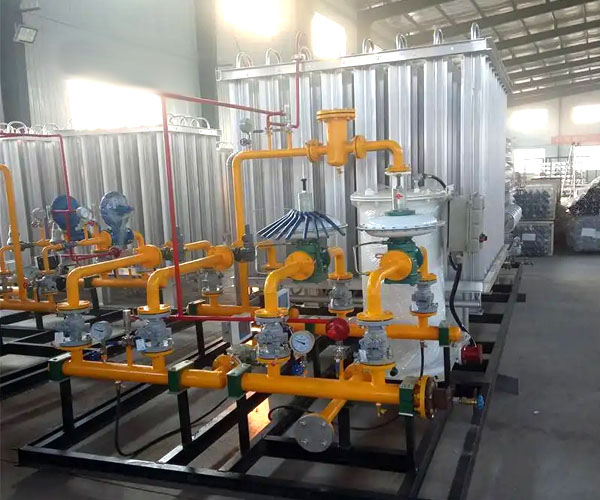
Secondly, based on the layout of the site and the operation and maintenance requirements, the structure configuration of the pressure regulating skid should be determined. Currently, the mainstream CNG pressure regulating skids are divided into single-skid integrated type and double-skid separate type. The single-skid integrates all units such as pressure regulation, measurement, filtration, and shut-off on the same base. The overall test is completed before leaving the factory, and it can be put into use upon connection to the pipeline at the site. This can significantly reduce the installation time and welding workload on-site, and is very suitable for newly-built stations with limited space. If the site has extremely high requirements for gas supply continuity, such as bus stations serving fixed fleets or logistics park stations, it is recommended to choose a dual-line pressure regulating system with redundant configuration. When one line fails, it can automatically switch to the other line, without having to shut down the entire station for maintenance. In areas with low winter temperatures in the north, it is necessary to select the model with a matching CNG pressure regulating skid anti-freezing solution. Both electric heating and water bath heating can prevent ice blockage after the natural cooling of natural gas, and there is no need to dismantle and remove the filter element for ice removal each time the station is stopped.
Finally, it is necessary to verify the compliance of the equipment and its long-term service capability. This is a detail that many operators tend to overlook.These hard standards are the foundation for the equipment to pass the safety supervision acceptance. Preferentially choose manufacturers that can provide single-source full-process services. From the early process simulation, overall testing before leaving the factory, to the subsequent 24-hour technical response, all these can be covered. If problems arise later, the pressure regulating valve can be found from one manufacturer and the instrument from another manufacturer, causing mutual shirking. Do not blindly pursue low prices while ignoring the quality of components. An industrial-grade CNG pressure reducing and metering unit that is suitable for the working conditions and compliant and durable can help the site save a large amount of downtime and maintenance costs in the next five to ten years. Overall, it is more cost-effective. All pressure pipelines and fittings of qualified compressed natural gas pressure regulating skid-mounted equipment should comply with the corresponding industry standards of the country or region.
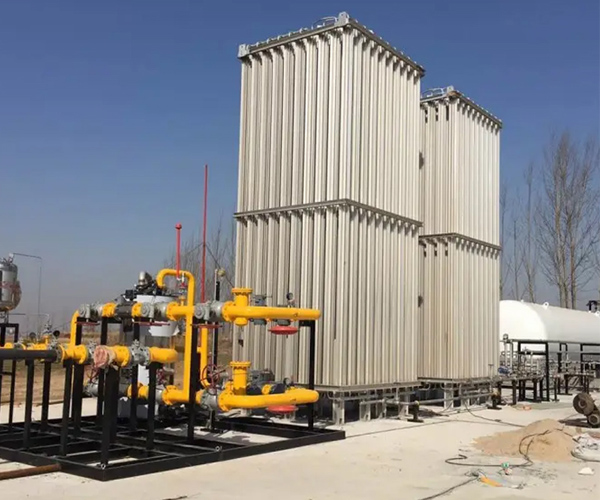
As a professional manufacturer with a long history in the field of gas transmission and distribution equipment, Zhuoyue Gas Equipment possesses a complete set of compliant qualifications for pressure vessel manufacturing and pressure pipeline component manufacturing. It has passed the ISO9001 international quality management system certification. All of its CNG pressure regulating skid products under the brand have undergone full-process pressure testing and operational condition simulation before leaving the factory. They can provide customized anti-freezing and redundant configuration solutions based on different gas volumes, pressures, and climatic conditions at different stations. Moreover, it can also provide a complete chain of services from site survey, installation and commissioning to long-term remote operation and maintenance. If you are looking for a suitable CNG pressure regulating skid for your refueling station, now contact Zhuoyue Gas Equipment to get a free one-on-one working condition selection plan. This will help you avoid selection mistakes and obtain a dedicated gas supply equipment solution with both stability and cost-effectiveness.