How to Select CNG Tubular Skid-mounted Equipment Correctly
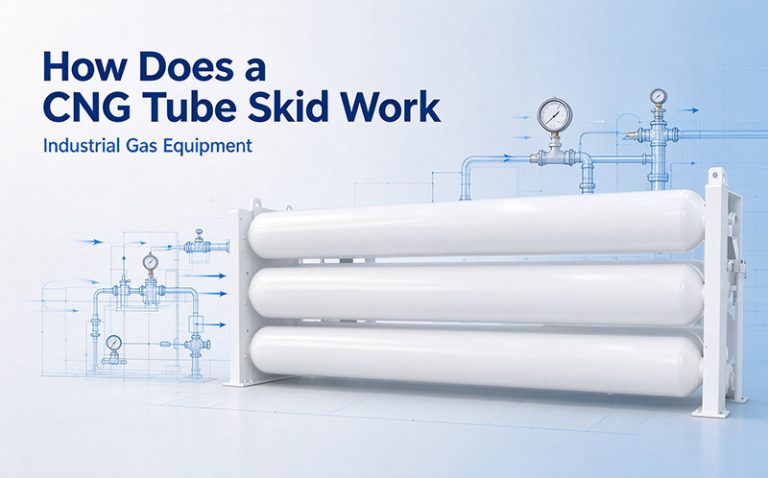
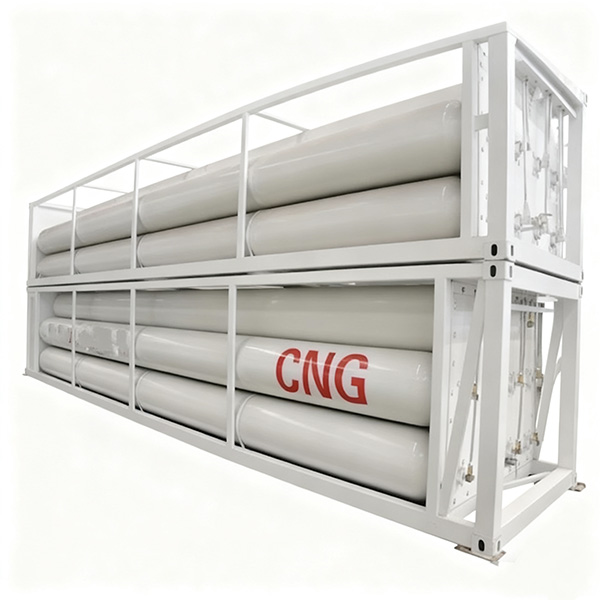
CNG tubular skid-mounted equipment can be seen in various scenarios such as natural gas filling stations, industrial gas distribution, and on-board hydrogen storage and transportation. In simple terms, CNG tubular skid-mounted equipment is a modular device used for storing compressed natural gas. It has a high degree of integration, a short installation period, and relatively stable safety performance, and has gradually replaced traditional scattered gas cylinders, becoming the mainstream solution. Many overseas customers initially focus only on the gas storage capacity and unit price when selecting equipment. However, the adaptability of the equipment to on-site conditions, compliance with regulations, and the cost of long-term operation are often overlooked. As a result, problems arise immediately after the equipment is put into use. The filling efficiency fails to meet requirements, annual inspections fail to pass, and maintenance costs remain high. This article will combine practical industry experience to explain step by step how to scientifically select CNG tubular skid-mounted equipment, helping export customers avoid unnecessary detours and pick products that are both suitable for their own working conditions and cost-effective.
Step 1: Clearly Define Core Operating Parameters and Set the Basic Selection Range
Many buyers in their inquiries only say “I want a CNG skid,” without providing any operating conditions. Suppliers find it difficult to provide an accurate matching solution. The first step in the selection process must first clearly identify the three core basic parameters:
The first is the target storage capacity and working pressure.
The working pressure of conventional CNG Tubing Skids is divided into two mainstream grades: 20MPa and 25MPa. The corresponding water volume ranges from 1 cubic meter to 12 cubic meters, and the volume of natural gas it can accommodate varies greatly. If a mobile gas filling station mainly operates in urban areas, it is advisable to have the water capacity of the pipe-type storage tanks set at 6 to 8 cubic meters. This size can achieve a good balance between transportation flexibility and single-time storage capacity. For industrial users, if it is used as a fixed storage tank or peak regulation equipment, then a large-capacity pipe-type storage tank of 10 to 12 cubic meters can be directly selected, and the cost of frequent refilling can also be reduced.
The second is the applicable transportation or installation scenarios.
If the equipment needs to be transported frequently by flatbed trucks, the overall shape size and total weight of the integrated skid must be considered to ensure compliance with the width and height limits of road transportation, avoiding problems of being unable to be on the road during cross-border or local transportation; if it is installed in a factory area as a skid station, the size restrictions can be relaxed, and the layout density of the gas storage cylinders can be optimized to improve space utilization.
The third is the medium type.
The normal working conditions of compressed natural gas are a set of rules. However, once it comes to the storage of special gases such as hydrogen and helium, the situation is completely different. Key components such as steel pipe materials and sealing elements need to be reselected based on the actual medium. If one tries to be lazy and directly apply the same design, safety hazards such as hydrogen embrittlement and corrosion will inevitably arise at any time.
Step 2: Strictly verify the quality and compliance of core components to build a solid safety foundation
It should be noted that CNG pipeline skids are classified as high-pressure special equipment. If the quality of the core components of this type of equipment cannot withstand the test, the safety throughout the entire lifecycle will be compromised. This is also the most likely place where low-price competing products will cut corners.
First, verify the qualifications and processes of the storage gas tubes.
Regular products with high-pressure gas cylinders must obtain corresponding market special equipment certifications, such as PED certification for export to the EU, DOT certification for export to North America, and local pressure vessel standards for the Southeast Asian market. High-quality Tubing Skids will use seamless steel tube integral spinning molding processes without welding weld seams, fundamentally reducing the leakage risk under high pressure, while small factories that produce low-priced products often use welded gas tubes, and over time, they are prone to weld cracking hazards.
Second, check the integrated valve components and safety accessories of the skid.
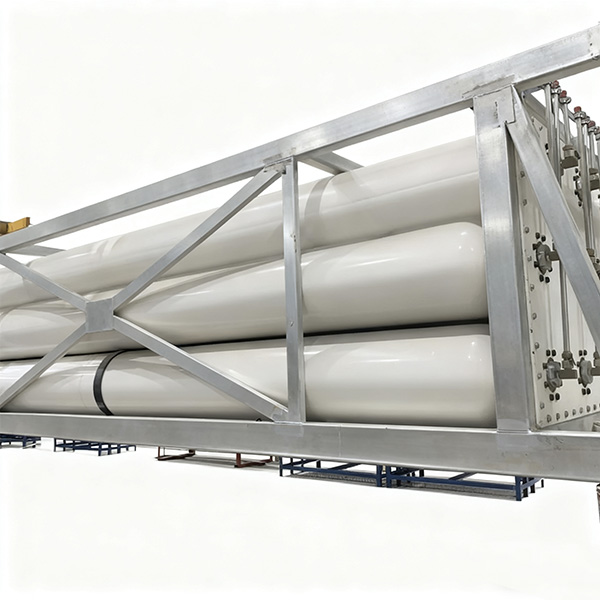
A qualified CNG Tubing Skid must be equipped with four core safety components: emergency shut-off valve, high-pressure safety valve, pressure over-limit alarm device, and venting pipeline. The valve components must use high-pressure-specific forged valve bodies, and cannot be replaced by ordinary water heating high-pressure valves. Many low-priced products will omit the remote emergency shut-off function and only provide manual stop valves. In case of gas pipeline leakage, they cannot quickly remotely cut off the gas source, which will bring great safety risks. Finally, check the structural design of the overall skid body. A qualified skid-mounted base will be made by welding high-strength I-beams and undergo overall sandblasting for rust removal and double-layer anti-corrosion spraying treatment. Thus, it will not experience overall rusting or deformation when used outdoors. Between the tube bundle and the base, shock-absorbing and buffering pads will be installed to prevent direct collision between the steel pipes and the rigid base during transportation, thereby reducing the generation of metal fatigue.
Step 3: Match filling and unloading efficiency, and adapt to the actual usage rhythm
Many users found after purchasing the CNG tube bundle skid that the filling speed was far lower than expected, and it simply couldn’t meet the gas demand during peak periods. This is a problem caused by not paying attention to the flow parameters during the selection process. When selecting, it is necessary to clearly understand the filling capacity of your compressor, and the inlet pipe diameter of the skid-mounted skid must match the output flow of the compressor. If your compressor’s maximum flow rate is 1000Nm³/h, you cannot choose an inlet pipe with a diameter of DN15. Otherwise, there will be a serious throttling effect during filling, not only resulting in a slow filling speed but also causing abnormal frosting on the pipe and affecting the service life of the sealing components. At the same time, you should choose the appropriate pipe configuration based on the unloading scenario. If you are supplying gas to multiple downstream users on a time-sharing basis, it is recommended to integrate multi-channel pressure regulating modules at the skid-mounted outlet, without the need for additional external pressure regulating cabinets, to directly output stable low-pressure gas sources, reducing the workload of on-site installation. For mobile transportation scenarios that require rapid unloading, a parallel quick connector interface can be selected to significantly shorten the connection time for unloading and improve the turnover efficiency.
Step 4: Confirm certification, after-sales service, and customization capabilities, and reduce long-term comprehensive costs
For overseas purchasers, the selection process should not only consider the factory price of the equipment but also take into account compliance costs, operation and maintenance costs, and the convenience of spare parts supply.
Firstly, it is necessary to confirm whether the equipment complies with the local regulations of the target market. Different countries and regions have significant differences in annual inspection rules for high-pressure mobile pressure vessels and requirements for road access. Regular manufacturers can provide complete sets of certification documents to help users complete local registration and licensing in one go, avoiding problems such as inability to clear customs after arrival or inability to pass annual inspections after commissioning.
Secondly, it is necessary to understand the after-sales support capabilities of the supplier. High-quality low-temperature gas equipment manufacturers can provide full-process services including remote installation guidance, operation training, and supply of spare parts. They can also make customized adjustments based on the user’s special working conditions. For example, in high-corrosive coastal areas, additional salt spray anti-corrosion coatings can be added to the skid-mounted equipment; in extremely cold northern regions, a low-temperature heating system can be equipped for the valve group to ensure that the equipment can still operate normally at -40°C.
Finally, it is necessary to calculate the total life cycle usage cost. A compliant and high-quality CNG tube bundle skid has excellent stability in the entire cycle of operation. If you choose a reliable product with an initial investment of 10%-15% more cost, you can save a lot of hidden expenses such as maintenance, annual inspections, and safety renovations in the long term. The overall comprehensive cost is actually lower than that of low-quality and low-cost products. If you are unsure about the differences in the total cycle costs of different configurations, simply consult Zhuoyue Gas Equipment. We will combine your actual working conditions to help you calculate the long-term benefits of each investment and avoid the hidden cost traps in the selection process.