

Why are cryogenic storage tanks vacuum insulated? A comprehensive guide to the core principles and engineering value
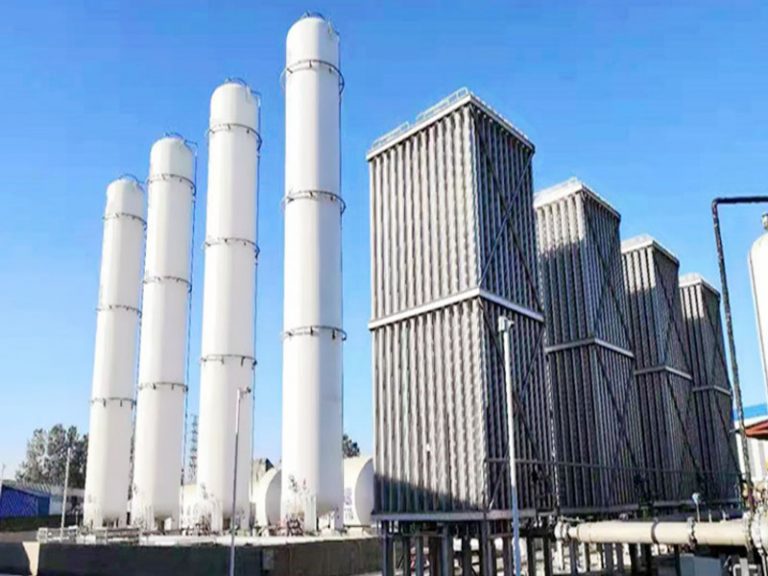
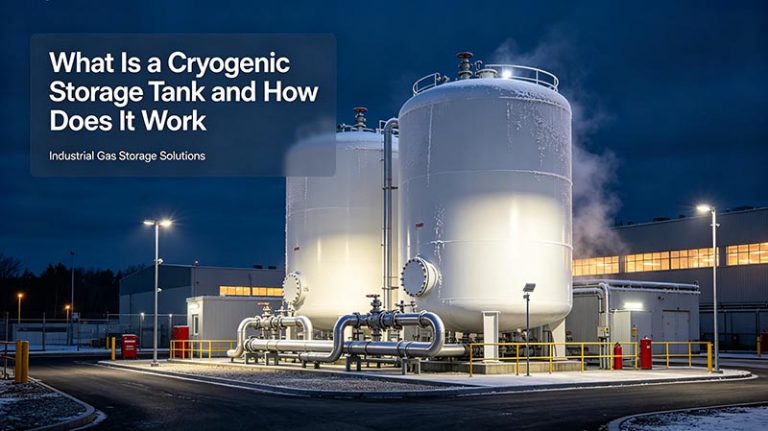
In the field of industrial gas storage and transportation, cryogenic storage tanks are the “life containers” for liquid oxygen, nitrogen, argon, and liquefied natural gas, among others. Many people are curious: Why must these tanks be made with a double-layer vacuum structure? This is not an “ornament” by engineers, but a necessary choice determined by physical laws and engineering safety.
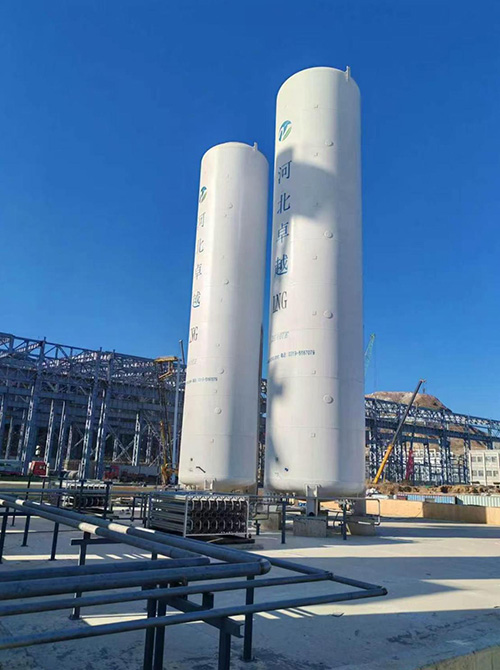
I. Heat is the biggest enemy of cryogenic liquids
Liquid oxygen needs to be maintained at -183°C, liquid nitrogen at -196°C, and LNG at even lower -162°C. Once external heat penetrates, the liquid will rapidly vaporize and expand – 1 liter of liquid nitrogen can expand nearly 700 times. Without effective insulation, the storage tank will face the fatal risk of over pressure and explosion. Vacuum insulation is the most economical and reliable solution to combat this heat invasion.
II. How the vacuum layer “locks in” the cold
The space between the double-layer tanks is evacuated to a high vacuum state, removing gas molecules almost completely. We know that heat transfer relies on three paths: conduction, convection, and radiation. The vacuum layer almost eliminates conduction and convection because there is no medium to carry energy transfer. The remaining radiant heat is weakened by the multi-layer reflective insulation screens on the outer wall of the inner tank. According to the TS EN 13458-2 standard requirements, static vacuum insulated storage tanks must verify their vacuum maintenance capability during the design stage to ensure that the insulation performance does not deteriorate over the long term.
III. Not all insulation is worth vacuum
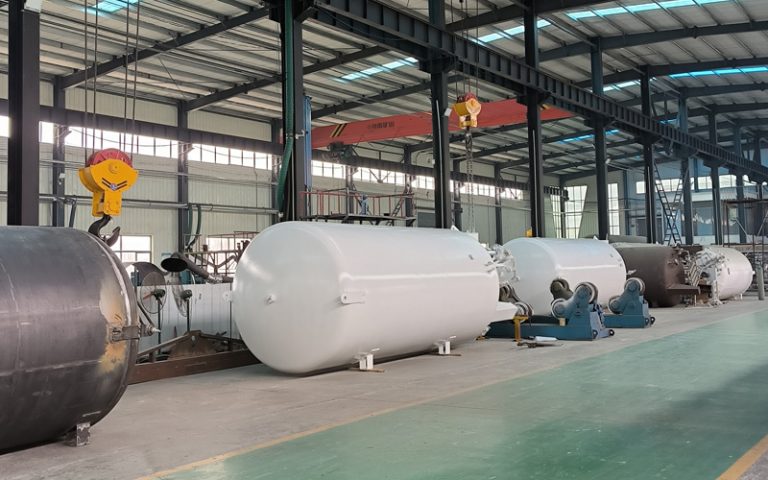
Some may ask: Polyurethane foam, silica sand filling can also insulate, why vacuum? The answer lies in efficiency and lifespan. Ordinary insulation materials have a higher thermal conductivity than vacuum. To achieve the same effect, the wall thickness of the tank will increase several times, and the transportation and installation costs will soar. More importantly, the inner tank of vacuum insulated storage tanks is usually made of austenitic stainless steel, the outer container is selected according to regional specifications as Q235-B or Q345R steel plates, and the inner layer is filled with silica sand or aluminum foil insulation cotton as an auxiliary. This combination still maintains structural integrity under extreme temperature differences.
IV. Real considerations in engineering practice
Take a 100 cubic meter liquid nitrogen storage tank as an example. A high-quality vacuum insulated design can control the daily evaporation rate within 0.5%, meaning that the user will have a lower frequency of refilling and lower operating costs. However, the vacuum layer is not a one-time solution – long-term use may lead to a decrease in vacuum degree. Therefore, the standard requires regular vacuum status detection and the installation of safety valves and pressure relief systems, in line with national pressure vessel safety standards.
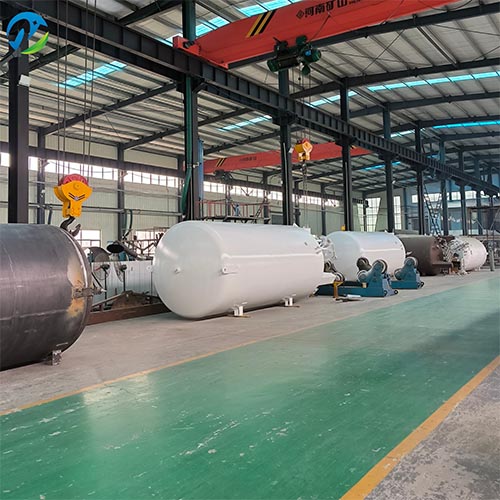
V. Choosing a tank means choosing safety, choosing the right one saves money
For export customers, understanding the principles of vacuum insulation is essentially choosing a reliable supply chain partner. Truly high-quality cryogenic storage tanks have strict technical specifications for every step, from inner tank material to welding process, from non-destructive testing to product verification. Understanding the principles allows you to understand the value behind the price.
Looking for a matching cryogenic storage tank solution for your project? Welcome to contact Zhuoyue Gas Equipment. We provide one-stop services from selection, customization to export transportation, ensuring that each device can withstand verification.