
LPG vs. CNG Cylinders: A Concise Comparison
Liquefied petroleum gas is abbreviated as (LPG) and compressed natural gas is abbreviated as (CNG). These are important alternative fuels, but there are many differences in the design, usage and performance of their gas storage tanks.
Core Fuel & Storage
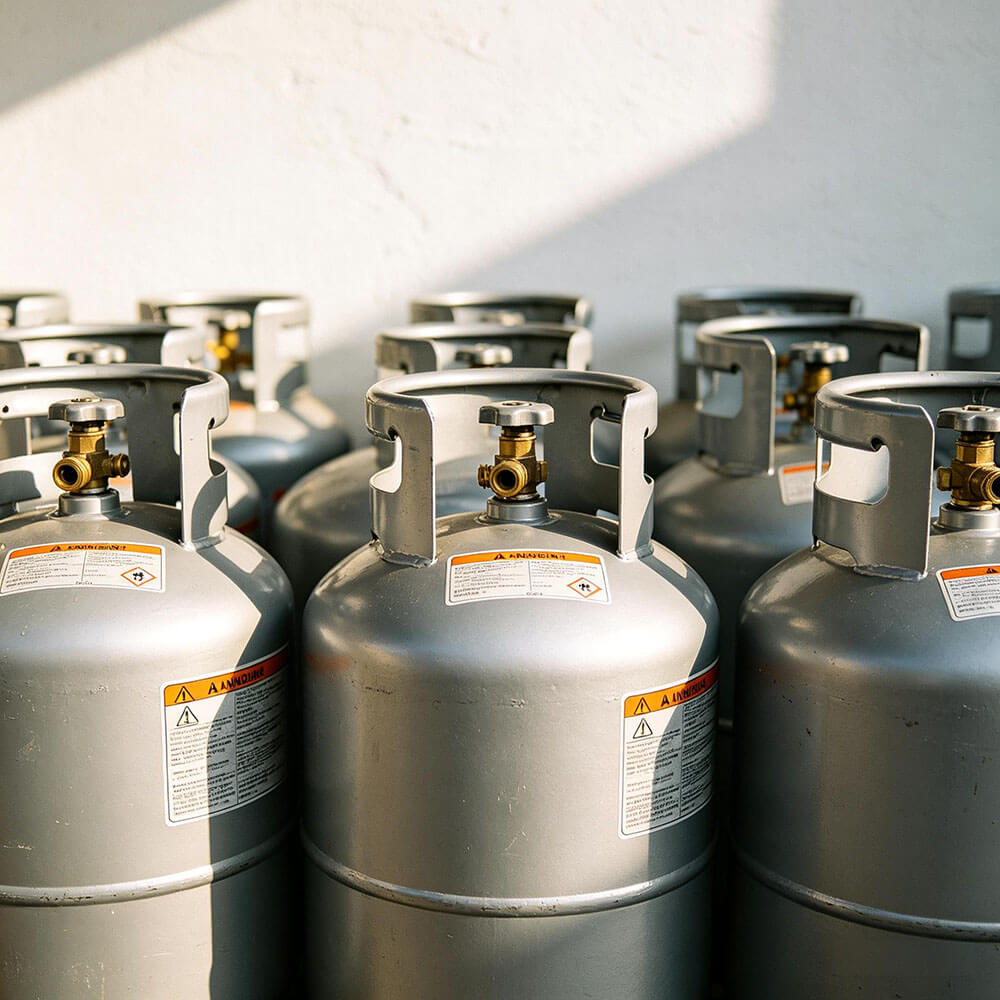
LPG: A mix of propane and butane, liquefied under moderate pressure (2.1 bar) at room temperature. Stored as a liquid, it offers high energy density in compact cylinders.
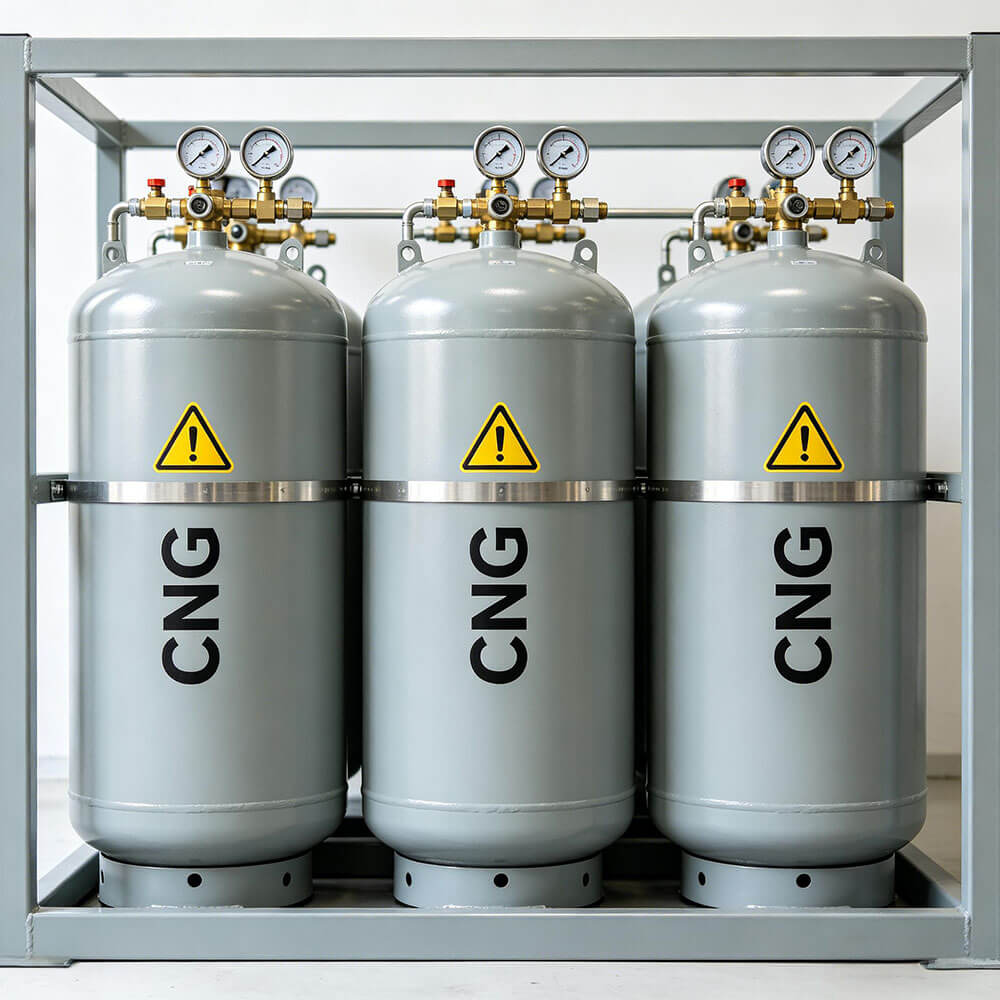
CNG: Primarily methane, compressed to 200–250 bar (200x atmospheric pressure) and stored as gas. Requires far more volume to match LPG’s energy output.
Pressure & Safety
LPG Cylinders: Operate at low pressure (2.1 bar) with steel or lightweight composite construction. Equipped with pressure relief valves and overfill protection.
CNG Cylinders: Built for extreme high pressure (200–250 bar) using steel, aluminum, or carbon fiber composites. Mandatory hydrostatic testing every 3–5 years ensures structural integrity.
Weight & Portability
LPG: A 14.2kg residential cylinder weighs ~31kg full, easy to transport for home cooking, grilling, or off-grid use.
CNG: A 100-liter steel cylinder weighs ~100kg empty and holds only 7kg of gas. Heavier and bulkier, typically fixed in vehicles or industrial sites.
Applications
LPG: Residential cooking, commercial kitchens, forklifts, and backup generators. Ideal for areas with limited infrastructure.
CNG: Public transit, taxis, and industrial power generation. Thrives in regions with extensive refueling networks.
Cost & Maintenance
LPG: Lower upfront cost ($50–$150 per cylinder) with affordable maintenance ($20–$50 per inspection). Fuel costs are 20–30% cheaper than gasoline.
CNG: Higher initial investment ($500–$5,000 for composite cylinders) but lower long-term fuel costs (30–50% cheaper than gasoline). Maintenance includes $50–$150 hydrostatic tests.
Environmental Impact
Both reduce emissions vs. gasoline/diesel, but CNG edges out LPG with 25–30% lower CO₂ output and minimal particulate matter.
Choosing the Right Cylinder
Opt for LPG if portability and moderate energy needs are key. Choose CNG for high-volume, fixed applications where long-term fuel savings and ultra-low emissions matter most.
Zhuoyue is a professional manufacturer of cryogenic storage tanks for gas equipment. If you need customized gas solutions, you can contact us through the form.