
At the junction where the long-distance natural gas pipeline network connects with the urban gas pipeline network, the city gate station (City Gate Station) is the most crucial hub node in the entire distribution system and also one of the scenarios where low-temperature gas equipment is most widely applied. For urban gas operators, energy engineering contractors, and low-temperature equipment purchasers around the world, a clear understanding of the functional composition, core equipment, and operation standards of the city gate station is the foundation for ensuring the long-term stable operation of the natural gas distribution system. This article will, from the perspective of practical engineering applications, thoroughly dissect the complete definition and operational logic of the natural gas city gate station.
Ⅰ. Basic Definition and Core Positioning of the City Gate Station for Natural Gas
The gas city gate station is the terminal of the long-distance high-pressure natural gas transmission pipeline and also the starting point of the city’s downstream gas distribution network. It plays a crucial role as a key transfer station, “connecting the upper and lower parts”. The natural gas in the long-distance pipeline is usually transported at a high pressure ranging from 1.6 MPa to 10 MPa, which helps reduce energy consumption during the transmission process and improve the pipeline’s transmission efficiency. The pressure of the gas distribution networks for civilian and industrial users downstream of the city generally ranges from 0.01 MPa to 0.4 MPa, and they cannot directly receive the high-pressure gas source. The core function of the city gate station is to ensure the safe connection between these two different pressure-level gas distribution networks.
Unlike ordinary gas pressure regulating stations, the urban gate stations have a larger processing capacity and stricter safety standards. The daily processing capacity of a single gate station can typically meet the gas demand of tens of thousands or even millions of urban residents. The core gate stations in some large cities can even have a daily gas transmission volume exceeding one million cubic meters. It is not merely a simple pressure conversion station; it is a comprehensive natural gas transmission and distribution hub integrating functions such as pressure regulation, gas quality detection, flow measurement, and safety protection. It is the “first gate” for a city’s natural gas supply.
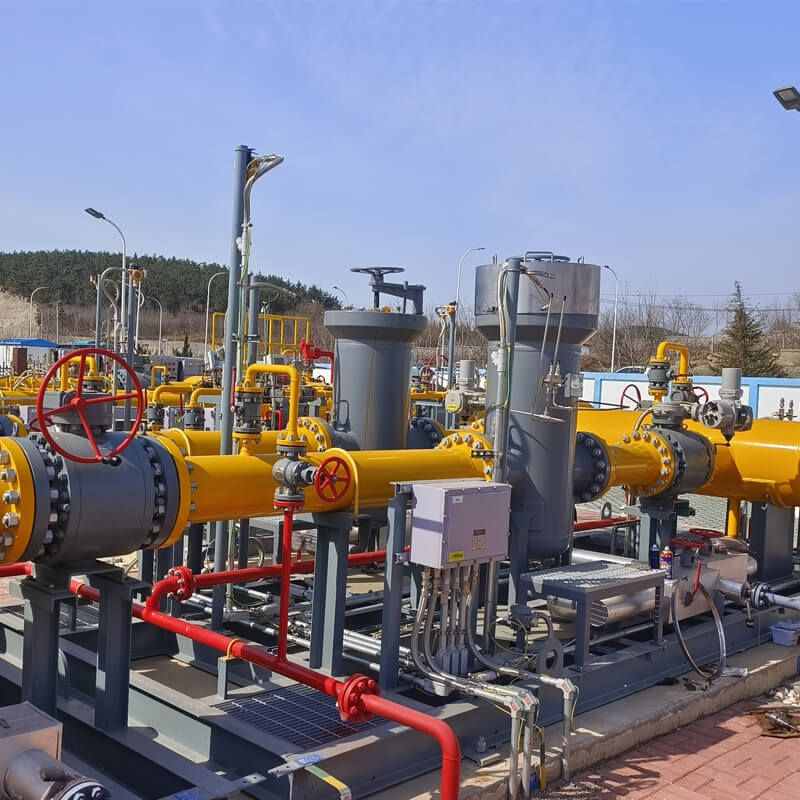
Ⅱ. Core Functional Modules of the Urban Gate Station
A standardized natural gas city gate station needs to simultaneously cover five core functions in order to ensure the stable operation of the entire process:
1.Pressure Regulation Function: This is the most fundamental core function of the gate station. Through a multi-level pressure regulation system, the high-pressure natural gas from the long-distance pipeline is gradually reduced in pressure step by step to the appropriate pressure level for the urban pipeline network, avoiding sudden pressure changes that could cause impacts on the downstream pipeline network and user equipment. To ensure stable operation under extreme conditions, mainstream gate stations are equipped with one primary and one backup or even multiple redundant pressure regulation units. In the event of a single equipment failure, seamless switching can be achieved without interrupting the natural gas supply.
2.Precise Measurement Function: The gate station is a crucial measurement point for the trade transfer of natural gas. The trade settlement between the gas supply party of the long-distance pipeline and the urban gas operator is entirely based on the measurement system of the gate station. Therefore, the flow measurement equipment at the gate station needs to meet the national and even international-level measurement accuracy standards. It should be regularly verified and calibrated by authoritative institutions to avoid trade disputes.
3.Quality Detection and Purification Function: The natural gas transported through long-distance pipelines may contain a small amount of free water, sulfides, and solid impurities. If these impurities are directly introduced into the urban pipeline network, they will corrode the inner walls of the pipeline and clog the user’s terminal equipment. The gate station will be equipped with corresponding purification and separation devices to remove impurities from the natural gas. At the same time, it will conduct online detection of key indicators such as the calorific value, hydrogen sulfide content, and water dew point of the natural gas to ensure that the quality delivered to the downstream complies with national standards.
4.Safety Cut-off and Discharge Function: When there is an abnormal increase in pressure in the downstream pipeline network of the gate station, the emergency cut-off valve in the station will automatically activate immediately, cutting off the upstream gas supply to prevent high-pressure natural gas from flowing into the downstream low-pressure pipeline network and causing safety accidents. At the same time, the accompanying safety discharge system will guide the over-pressured natural gas to a safe area for venting, ensuring the safety of the station equipment and the surrounding area.
5.Peak-shaving Reserve Function: Many medium and large-sized cities have equipped their gate stations with small-scale LNG cryogenic storage and distribution units. When the consumption of natural gas in the city is low, the surplus gas is often liquefied for storage. During the peak gas usage period in winter, or when the long-distance pipelines enter a temporary maintenance period, the liquefied natural gas in the storage tanks will be re-liquefied and injected back into the city gas network. This way, the supply tension is alleviated and stable supply can be guaranteed even during extreme weather conditions.
III. Key Applications of Low-Temperature Gas Equipment in Urban Gate Stations
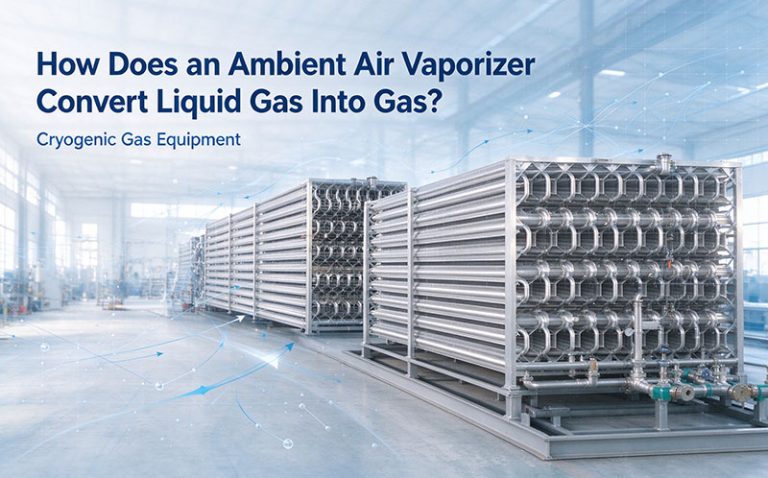
With the continuous upgrading of natural gas distribution technology, low-temperature gas equipment has become an indispensable component in modern urban gate stations. In gate stations with peak regulation functions, the low-temperature LNG storage tanks are the core storage devices. These storage tanks adopt a double-layer insulation structure, which can safely store liquefied natural gas at a temperature of -162℃ for a long time. The insulation performance directly determines the daily evaporation loss rate of the storage tanks. The accompanying low-temperature LNG gasifiers are responsible for quickly converting liquid LNG into gaseous natural gas at room temperature. After pressure regulation, they are sent into the urban pipeline to ensure the supply capacity during peak hours.
In addition, the low-temperature valves, low-temperature submersible pumps, BOG recovery devices and other equipment in the gate station are also key components that ensure the stable operation of the low-temperature storage and distribution unit. High-quality low-temperature equipment can significantly reduce the operation and maintenance costs of the gate station, decrease the probability of equipment failure and downtime, and extend the service life of the entire system. For overseas engineering projects, low-temperature gas equipment that complies with international standards such as ASME and PED is also a necessary condition for the gate station to pass local safety acceptance.
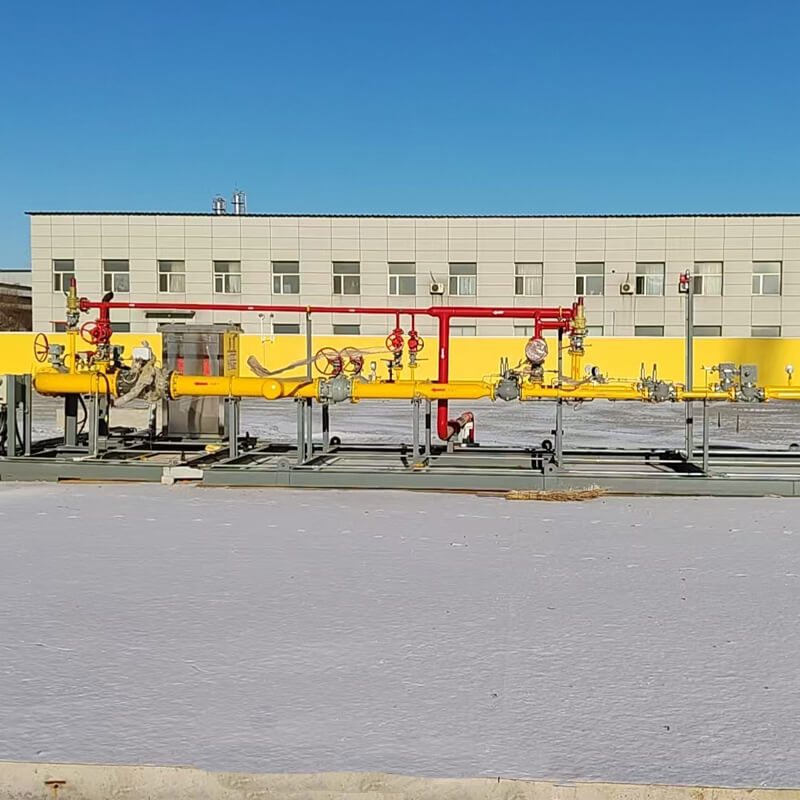
IV. Development Trends of Modern Urban Gate Stations
The current construction of urban gate stations worldwide is moving towards an intelligent and low-carbon direction. More and more newly-built gate stations are beginning to connect to remote intelligent monitoring systems. The pressure, temperature, flow rate and other operational data within the station can be transmitted in real time to the remote control center. Maintenance personnel can complete most of the operation control without going to the site, significantly improving the response efficiency. At the same time, the popularization of BOG recovery technology has enabled the originally directly vented evaporated natural gas in the gate stations to be recycled and utilized, effectively reducing methane emissions during operation and better meeting the global requirements for dual carbon development.
For emerging markets that are planning to build their natural gas infrastructure, choosing experienced suppliers of low-temperature gas equipment and customizing gate station equipment that is compatible with local climate conditions and pipeline parameters is the core prerequisite for ensuring the long-term stable operation of the project.
If you are in search of reliable low-temperature gas supporting equipment for new or upgraded urban gate stations of natural gas, Zhuoyue Gas Equipment has years of experience in project implementation both at home and abroad. We can provide customized solutions for LNG storage tanks, gasifiers, low-temperature valves and entire peak regulation systems suitable for different scale gate stations. Please feel free to contact us at any time to obtain exclusive technical consultation and project quotations.