
What is a cryogenic storage tank? How does it work? A detailed explanation of the core principles
For those engaged in industrial gas supply, chances are you have encountered this problem: gas cylinders are piled up in the workshop, manual bottle replacement is exhausting and painful, and the money lost due to evaporation is like a flowing stream. At this time, someone mentions “low-temperature storage tank” to you, and your mind starts to wonder – what exactly is this thing? Can it really save us money?
Today, let’s explain this matter in detail.
First, let’s clarify one thing: a low-temperature storage tank is not an ordinary large iron tank.
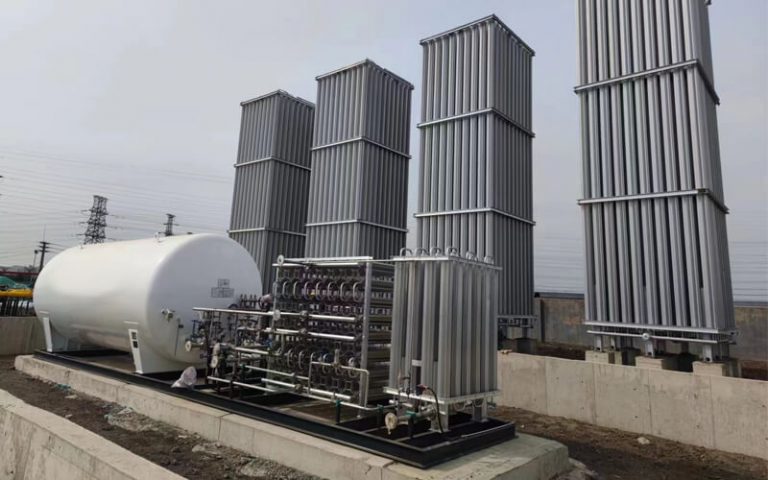
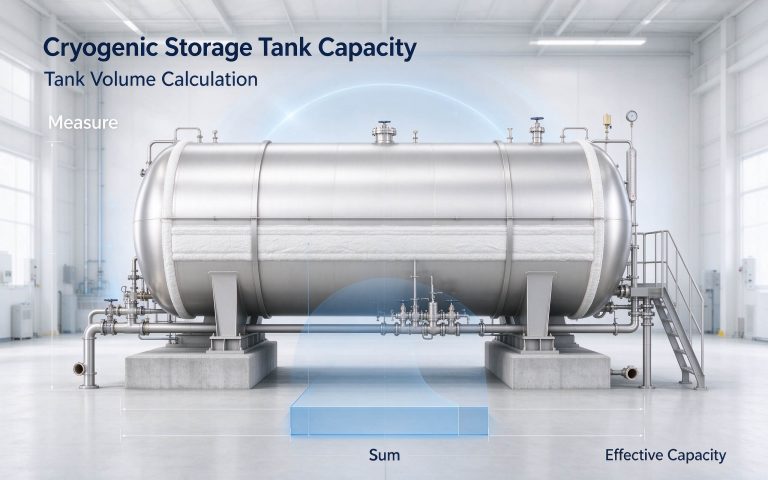
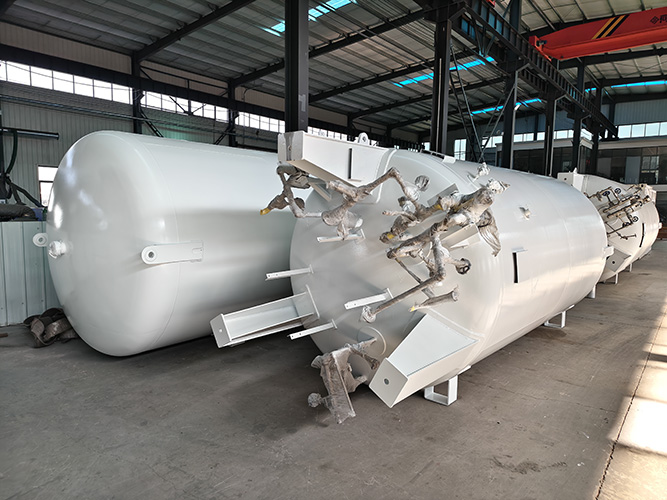
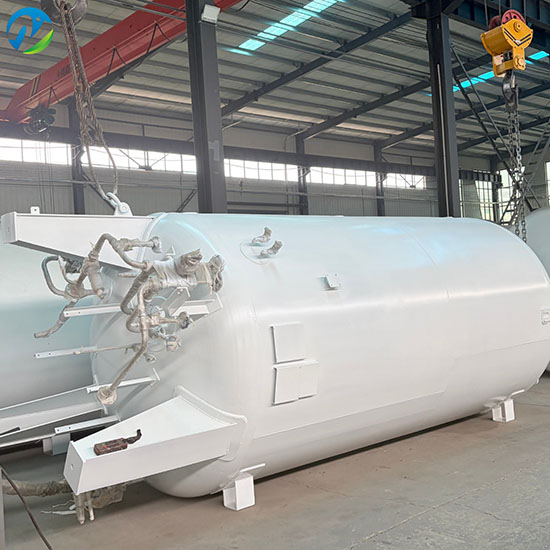
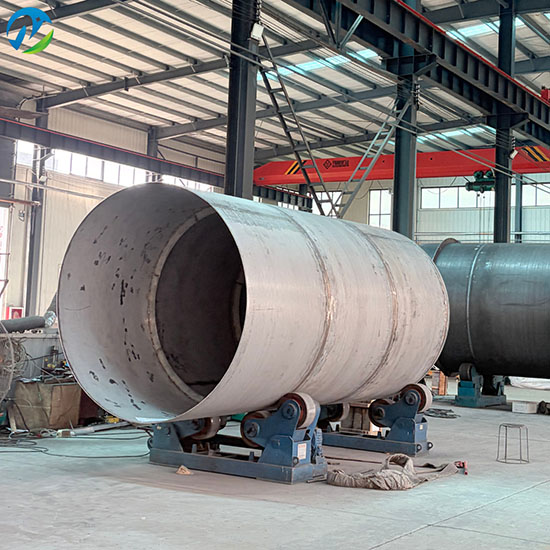
Don’t be intimidated by the word “tank”. A low-temperature storage tank is a special pressure vessel, with a double-layer high-vacuum insulation structure. The inner liner is made of austenitic stainless steel, and the outer layer is filled with high-quality insulation materials. After being completed, it is evacuated to a vacuum state. The core purpose of this design is to firmly keep the outside heat out.
Why be so meticulous? Because liquid oxygen, liquid nitrogen, liquid argon, LNG, etc., have temperatures generally ranging from -104℃ to -196℃. A single-layer tank simply cannot hold it. Once heat seeps in, the liquid will rapidly vaporize, the pressure will soar, and frequent pressure relief will occur. Not only will the raw material loss be huge, but the risk of overpressure explosion is always hanging over your head. The double-layer vacuum structure reduces heat conduction to an extremely low level, allowing the tank to maintain a low-temperature stable pressure state for a long time.
One cubic meter of low-temperature liquid can replace approximately 130 gas cylinders. Just imagine, what a concept – one piece of equipment replaces a stack of gas cylinders, continuous supply, low loss, and direct reduction of operation and maintenance costs.
How does it actually operate? The principle is actually not complicated.
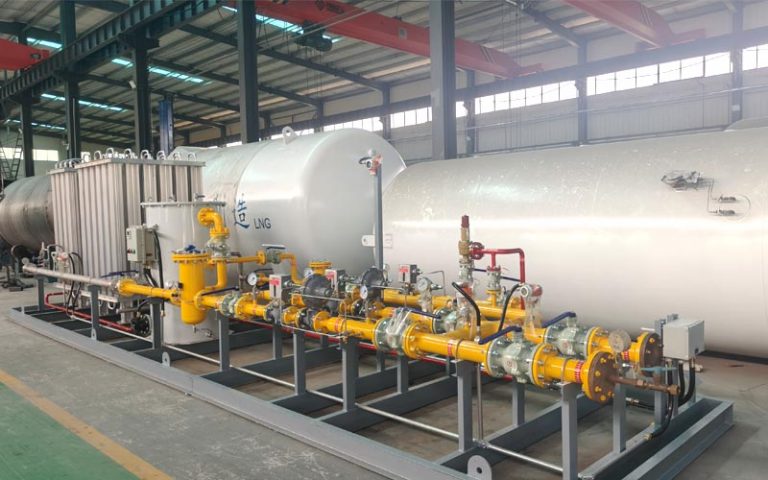
Gases first pass through a refrigeration liquefaction device to be cooled below the boiling point, turning into liquid and flowing into the storage tank. After entering the tank, the tank maintains a low-temperature environment through the vacuum insulation layer, but it cannot achieve 100% heat isolation. A small amount of heat infiltration will cause some liquid to vaporize, and the pressure inside the tank will slowly rise. At this time, the built-in pressure regulating system or the external vaporizer will draw out this part of the vaporized gas and restore it to a normal temperature gas through heating, for use by the downstream production line.
In simple terms: liquid is stored in, gas is used out, and balance is maintained through insulation and pressure regulation.
What about when it is shut down? According to the operation specifications, it is worth remembering – for short-term shutdown, do not empty the tank. Leave about 20% of the liquid. When restarting, the evaporation loss will be much smaller. This is an experience gained by the first-line operation technicians and is also a basic requirement for safe operation.
Vertical or horizontal? Choosing the wrong one is a waste of money.
The two forms have their own advantages.
Vertical storage tanks have small floor area and large volume, with common specifications ranging from 10 cubic meters to 200 cubic meters, stable against wind, suitable for large chemical plants, steel mills, energy enterprises with large usage and continuous production scenarios. Horizontal storage tanks have a low center of gravity and no requirements for the height of the site, have low installation barriers, and are more suitable for small and medium-sized factories, workshops with limited space, and flexible volume and cost performance.
When choosing the type, the three factors to consider in the end are: site conditions, daily gas consumption, and production rhythm. Don’t just look at the price; compatibility is the key.
Safety is not allowed to be half-assed.
If liquid oxygen splashes on the skin, frostbite will occur in no time. During operation, protective gloves, goggles, long-sleeved insulated clothing, and a safety helmet must be worn – the pipes on the top of the tank will fall off once they freeze and hit an unprotected head, the consequences will be unimaginable. Valve opening and closing should be slow, do not force it if it cannot be turned, pour some hot water to try again, and strictly prohibit knocking or heating with fire.
At the equipment manufacturing level, regular manufacturers must hold special equipment production licenses, and their products must comply with national pressure vessel manufacturing standards. Those with conditions can also obtain certifications such as ISO9001, ASME, and CE. When choosing a supplier, compliance of qualifications is the bottom line, not a bonus item.
Final words
The low-temperature storage tank is essentially the “main artery” of industrial gas supply. It is not glamorous or flashy, but it can truly help enterprises reduce gas usage costs and control safety risks. If you are considering upgrading your gas supply system, first clarify your operational requirements, and then talk to a manufacturer with mature insulation technology and manufacturing qualifications. This is much better than blindly researching gas cylinders on your own.