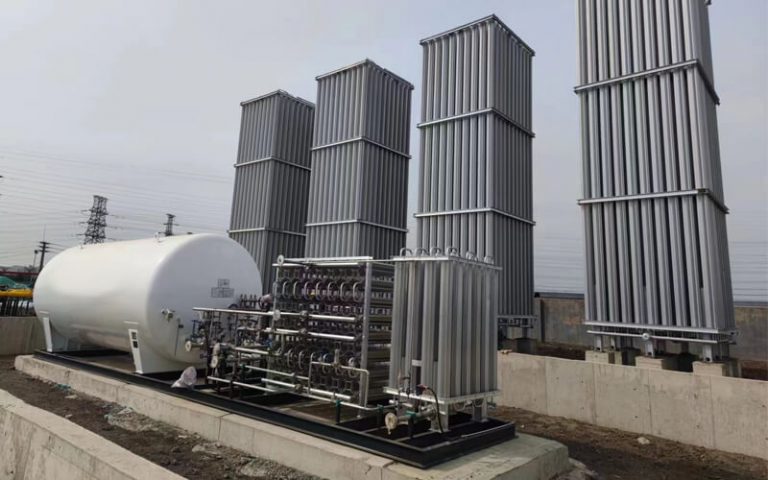
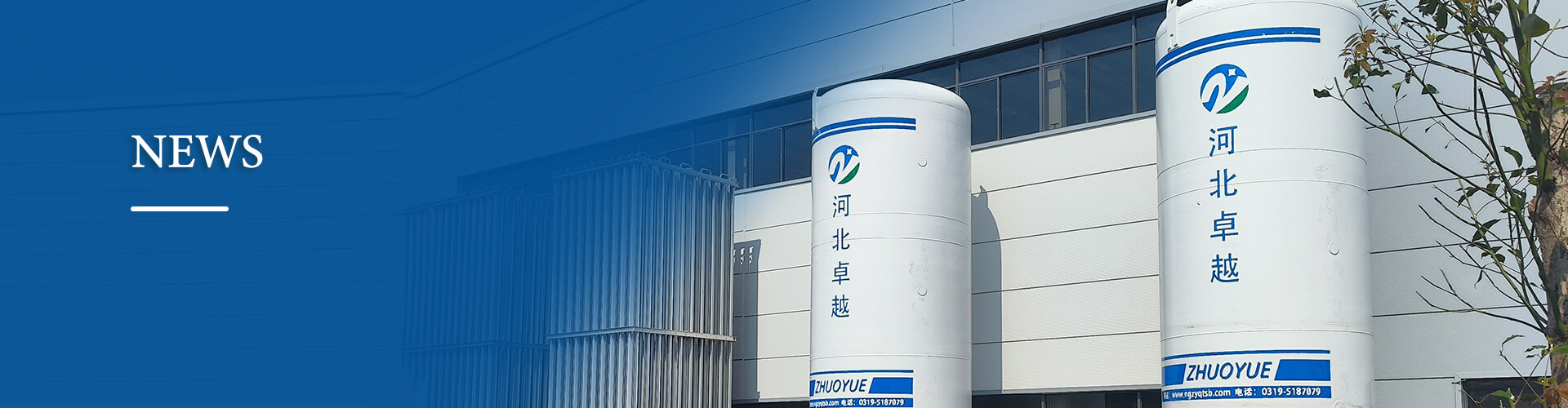
For industrial gas distribution companies, hospitals, food processing, and metal manufacturing enterprises that have long-term use of liquid oxygen, liquid nitrogen, liquid argon, liquefied natural gas, and other cryogenic media, a stable and reliable cryogenic storage tank is the core equipment that ensures continuous gas supply and reduces operating costs. Many users often only focus on the volume and nominal pressure parameters when selecting models, but they overlook the rationality of the design of the internal core components of the tank, and it is precisely these details that directly determine the service life, daily evaporation rate, and long-term operational safety of the equipment. Today, from the perspective of practical application, we will disassemble the main components of the cryogenic storage tank one by one to help you understand the design logic of this special pressure vessel.
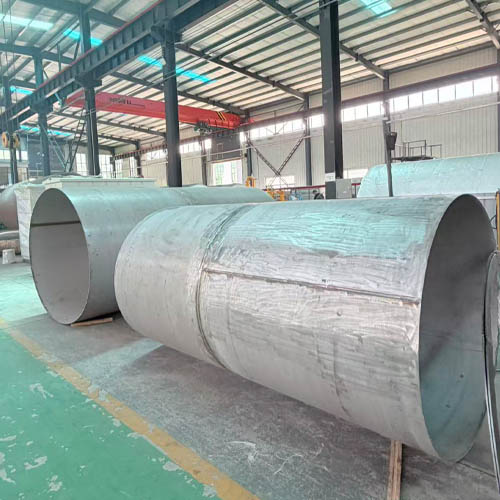
Inner liner: The core pressure-bearing component that directly contacts the liquid at -150℃ and below
The inner liner is the core component of the entire tank that comes into direct contact with the liquid at temperatures below -150℃ and is the most demanding part in all structures. Ordinary carbon steel will undergo brittle fracture in extremely low temperatures, so the inner liner of conventional liquid nitrogen, liquid oxygen, and liquid argon storage tanks is mostly made of 304L austenitic stainless steel sheet rolled and welded. This type of material can still maintain stable toughness in the deep cold environment and will not experience low-temperature brittle cracking. If it is a storage tank for liquefied natural gas, the inner liner will use a 9% nickel steel alloy material, which is suitable for a lower working temperature. The inner liner will undergo multiple rounds of strict hydrostatic tests and air tightness tests before leaving the factory to ensure that it will not deform or leak within the designed pressure range. All weld seams will undergo non-destructive testing to detect defects, which is also the most basic safety guarantee for the entire tank.
Shell: The external protective structure that forms a vacuum insulation space
The shell is the normally pressured containment shell wrapped around the inner liner. It is generally made of high-quality carbon steel or stainless steel. The sealed cavity left between the inner liner and the shell is the key space for achieving cryogenic insulation. The main function of the shell is to provide physical protection for the inner liner, preventing external impacts and corrosion damage to the internal structure; and to completely seal the cavity to provide a sealed condition for extracting a high vacuum environment. The exterior of the shell will also undergo rust and corrosion spraying treatment to adapt to outdoor and open-air installation scenarios, extending the outdoor service life of the equipment.
Vacuum insulation cavity: The core structure for reducing heat loss
The vacuum insulation cavity between the inner liner and the shell is the most distinctive design of cryogenic storage tanks compared to ordinary atmospheric storage tanks. This cavity will be evacuated to a high vacuum state, completely eliminating heat conduction caused by air convection, and reducing the intrusion of external environmental heat into the inner liner at its source. To further block heat radiation, the cavity inside will be filled with multiple layers of insulation materials, usually a multi-layer insulation structure composed of alternating aluminum foil and glass fiber paper. This combination can repeatedly reflect the incoming heat radiation and minimize the impact of radiation heat exchange. A tank with this well-designed structure can control the daily evaporation rate at an extremely low level, significantly reducing the unnecessary vaporization loss of cryogenic liquids and helping users save unnecessary medium waste costs.
Supports and pipeline system: Balancing structural stability and medium transportation
Between the inner liner and the shell, a direct metal rigid connection cannot be used, otherwise, a “cold bridge” will form, rapidly transferring heat, significantly increasing the evaporation rate. Therefore, the industry always uses low thermal conductivity high-strength supporting components to firmly fix the position of the inner liner while minimizing the heat loss caused by solid heat conduction. The external pipeline system of the tank is divided into two types: one is the low-temperature liquid inlet and outlet pipeline, responsible for completing the filling and outward transportation of cryogenic liquids; the other is the safety supporting pipeline, including vaporization balance pipelines, pressure reduction and discharge pipelines, etc. All pipelines in contact with low-temperature media will be made of special low-temperature-resistant pipe materials and will undergo insulation treatment to prevent frost and ice formation on the outer wall of the pipeline, thereby reducing heat loss during the pipeline transportation process.
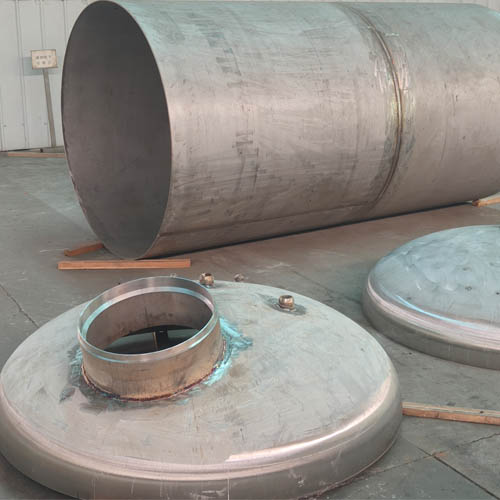
Safety accessory system: Ensuring controllable operational risks throughout the process
Cryogenic storage tanks are special pressure-bearing equipment, and a complete safety accessory system is an indispensable configuration. The common accessories include several key components: safety valves configured for the inner liner and the outer shell, which will automatically open to release pressure when the internal pressure exceeds the design threshold, avoiding the risk of overpressure; high-precision liquid level gauges that allow users to see the remaining low-temperature liquid volume in the tank in real time and intuitively, eliminating the need to rely on experience to estimate the filling volume; pressure gauges that monitor the working pressure of the inner liner in real time, facilitating timely adjustments by maintenance personnel; some high-end models will also be equipped with explosion-proof vacuum gauges to monitor the changes in the vacuum degree of the cavity at any time. Once the vacuum degree becomes abnormal, it can give an early warning to avoid the failure of insulation performance. These safety accessories need to be regularly calibrated according to regulations every year to ensure they are always in an effective working state and to eliminate common risks such as overpressure and leakage in the long-term operation process.
Many users have encountered abnormal evaporation rates and excessive pressure fluctuations when using low-temperature storage tanks. These problems are essentially related to the aging and failure of one of the core components. Understanding the functions of these components can help you judge the quality of the product when selecting a new tank and also quickly locate the problem when troubleshooting in the future. If you are selecting a low-temperature storage tank to match your working conditions or want to investigate the operational abnormalities of existing equipment, please feel free to consult Zhuoyue Gas Equipment. We can provide you with a one-on-one technical solution based on your actual usage scenario.