
If you are considering purchasing a carbon dioxide storage tank, we recommend that you read through the following five points carefully: the tank’s capacity, material, insulation, pressure, safety regulations for the usage area, and the ability of the supplier to provide after-sales support. This will effectively enhance your work efficiency. Only by choosing the right tank can you ensure the smooth operation of the business and achieve the best operational efficiency.
1.Storage Capacity and Footprint
Determine your exact usage volume to optimize refill frequency and storage space.
Small scale: This is an example of a small-scale enterprise suitable for facilities ranging from 5 pounds to 20 pounds, such as restaurants, local breweries, or aquariums, etc.A 5 lb tank typically lasts for about 6 to 8 half-barrel kegs.
Industry/Bulk Commodities: If your factory requires a large amount of bulk commodities (such as hundreds of gallons), then you can first estimate your daily consumption and the expected delivery time.Ensure you account for the physical footprint and the structural weight of the tank when full.
2.Material and Insulation
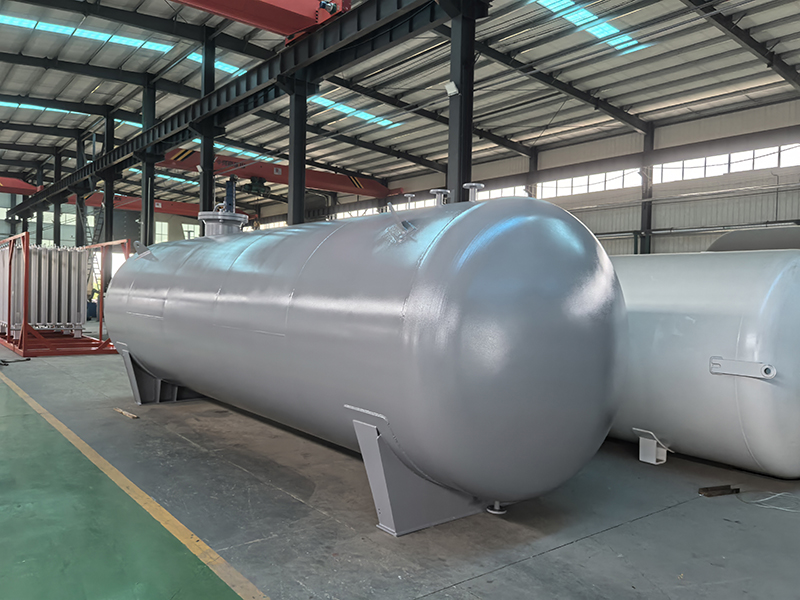
Liquid carbon dioxide is stored under high pressure and low temperature conditions. Therefore, materials that can withstand high pressure and low temperatures must be selected to prevent the phase change of carbon dioxide (such as the formation of dry ice) or the brittleness of the materials.
In terms of materials: carbon steel shells are generally used, but in high humidity or corrosive environments (such as coastal areas or exposed to carbonate solutions), stainless steel shells need to be used.
Insulation: Ensure the tank utilizes high-quality vacuum insulation or heavy-duty polyurethane foam to minimize heat transfer and reduce CO2 loss from ambient warming.
3.Pressure Ratings and Operating Conditions
Liquid carbon dioxide must be in a saturated state, and its pressure typically ranges from 250 pounds per square inch to over 300 pounds per square inch (approximately 1700 to 2150 kilopascals), depending on the temperature. Ensure that the storage tank can not only safely withstand these pressures, but also is equipped with a certified safety relief valve (PRV) and an accurate pressure gauge to prevent fatal over pressure accidents.
4.Safety and Regulatory Compliance
Due to the asphyxiating danger of carbon dioxide which excludes oxygen, during the storage and installation in the indoor environment,strict compliance with the corresponding fire safety and safety regulations (such as those stipulated by the Occupational Safety and Health Administration (OSHA) of the United States or local building regulations) is necessary.
Ventilation: The enclosed space must maintain good ventilation conditions.
Monitoring: Ensure that your system can be installed and integrated with fixed carbon dioxide safety alarms and monitoring devices to protect your staff.
Safety measures: The oil storage tanks should be permanently bolted to the ground to prevent tipping; the gas cylinders should be firmly fixed to the walls.
5.Supplier Support and Maintenance
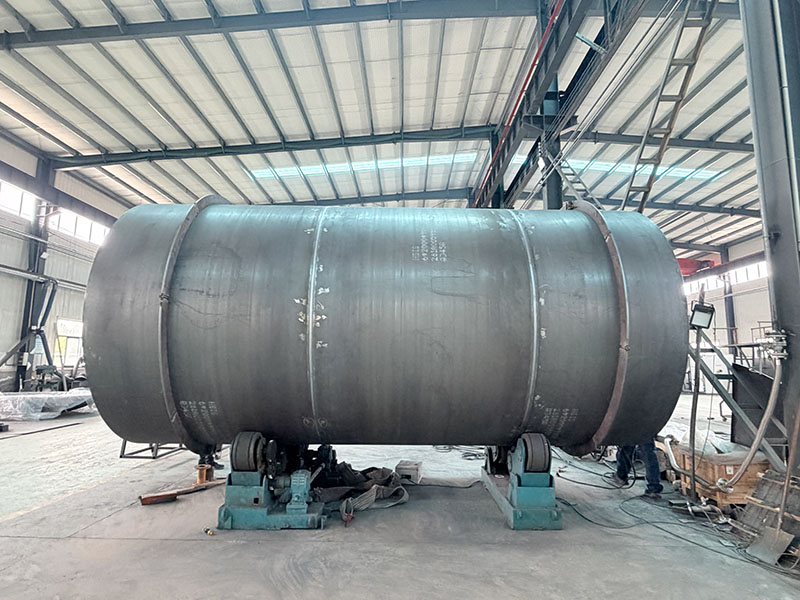
Buying the tank is just the beginning. The subsequent supply, service and maintenance are equally important.
Maintenance: Clearly define your maintenance requirements. Liquid CO2 systems require regular checks for ice buildup on valves, potential leaks, and valve functionality.
Supplier selection: Try to choose suppliers with good credit.
Nangong Zhuoyue Gas Equipment specializes in manufacturing carbon dioxide storage tanks. We offer OEM and ODM services. If you have any questions, please feel free to contact us.