

In industries such as biological sample storage, industrial gas supply, aerospace testing, and food rapid freezing, low-temperature storage tanks are the core equipment that ensures the continuity of production and research. Many foreign customers often choose equipment that does not match their capacity or has insufficient pressure-bearing capacity when they make their first purchase. This not only leads to rapid loss of liquid nitrogen and liquid oxygen and other media, but also may affect the activity of the samples and even bring unnecessary safety hazards. This article will start from the actual application scenarios and help you clarify the core logic of selection step by step, avoiding common purchasing mistakes, and finding the truly suitable low-temperature storage tanks for your needs.
Step 1: Clearly define the core storage medium and temperature requirements
The first prerequisite for selection is to determine the type of low-temperature medium you need to store and the corresponding temperature range. The boiling points of different media vary greatly, and the design standards for storage tanks are also completely different. For example, the normal pressure boiling point of liquid nitrogen is -196℃, that of liquid oxygen is -183℃, and the storage temperature of liquefied natural gas is around -162℃. If your application is a biological sample library or a cell culture laboratory, you usually need to store samples in the gaseous environment of liquid nitrogen. At this time, the storage tank must be able to stably maintain a temperature below -190℃, and the sealing performance of the tank must be excellent to avoid the increase in operating costs caused by frequent media supplementation.
If it is an industrial gas application, such as centralized gas supply for welding and metal processing, the stored medium is liquid oxygen or liquid argon, in addition to temperature compatibility, special attention should also be paid to the characteristics of the medium, such as liquid oxygen being a strong oxidizing medium. All contact components of the tank must undergo strict degreasing treatment and must not have residual grease, to avoid safety risks. Many customers often fall into this pitfall and directly use general low-temperature storage tanks to store special media. In the subsequent use, there will be long-term safety hazards.
Step 2: Determine the tank type based on the application scenario
Cryogenic storage tanks are mainly divided into two types based on pressure-bearing method and usage form: atmospheric pressure low-temperature storage tanks and high-pressure cryogenic storage tanks. The compatibility of different scenarios varies greatly.
Atmospheric pressure cryogenic storage tanks have a working pressure close to atmospheric pressure and are more suitable for long-term large-capacity static storage, such as long-term sample preservation in a biological sample library or large-capacity medium reserve in a centralized gas supply station. The daily evaporation rate of these tanks is very low, which can significantly reduce the unnecessary loss of low-temperature media and lower the long-term operating costs. High-pressure low-temperature storage tanks can withstand higher internal pressure and are more suitable for scenarios that require frequent movement and short-distance transportation of media, such as temporary gas supply at construction sites or outdoor mobile experimental use. Their structural strength is higher, and they can maintain a stable working state during movement.
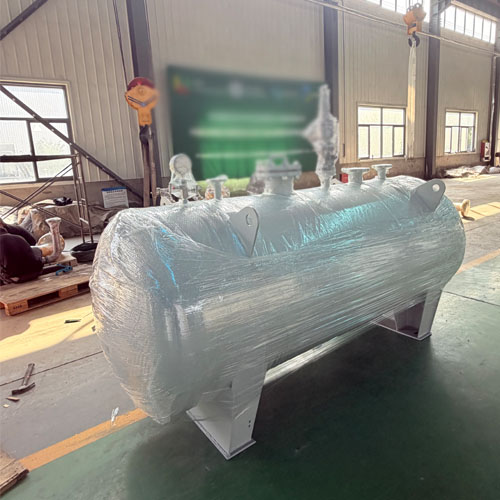
In addition, consider the installation site conditions: if your available space is limited, vertical storage tanks will save more floor area; if the site height is insufficient, horizontal storage tanks will be easier to install and complete subsequent daily maintenance. Many customers purchase only based on capacity parameters and ignore the space limitations of the site. Later, when the equipment arrives at the site, they find that it cannot be smoothly positioned, which delays the progress of the project.
Step 3: Matching principles of capacity and evaporation rate
A common mistake in selection by many customers is to directly choose the tank capacity based on the current daily consumption. However, after half a year of business expansion, the capacity of the storage tank will not be able to meet the usage requirements, and frequent media supplementation will be necessary. We recommend planning the capacity based on the expected business growth over the next 2-3 years and adjusting it in combination with the convenience of media supplementation. If your supplier is far away and the media replenishment cycle is long, you can appropriately choose a capacity that is 20% larger than the current demand to avoid the situation of supply interruption affecting production.
The daily evaporation rate is the core indicator for evaluating the insulation performance of low-temperature storage tanks. This parameter directly determines the daily medium loss cost. High-quality tanks adopt a multi-layer vacuum insulation structure, which can control the daily evaporation rate at a very low level. Even if the medium is not replenished for a long time, the tank can maintain a stable low temperature state. Many low-priced tanks have rough insulation layer processes and rapid vacuum degradation. After using them for one or two years, the evaporation rate will increase significantly. The additional medium cost consumed each year will exceed the price difference saved during the initial purchase, making it a loss rather than a gain.
Step 4: Configure details to meet long-term usage requirements
After selecting the basic parameters, you should also choose corresponding detailed configurations based on your own usage scenarios to make the equipment more suitable for your workflow. For example, in the case of a biological sample library, a matching cryopreservation solution with linear barcode management function can be selected. Combined with the stable storage environment of the tank, it can make the whole process traceability of the samples more convenient, avoiding errors caused by manual recording and ensuring the reproducibility of research results. If it is used in a high-throughput laboratory for daily use, a matching solution with internal and external thread compatibility for different cryopreservation tubes can also significantly improve the efficiency of sample retrieval and storage.
At the same time, attention should be paid to the material of the tank and production standards. Regular low-temperature storage tanks will use raw materials that meet medical or industrial standards and complete production in a clean workshop to ensure that there are no contamination factors such as DNA enzymes and RNA enzymes inside the tank, and will not affect the activity of the stored biological samples. All pressure components must comply with corresponding industry safety standards, and the safety valves, pressure gauges, and other safety accessories must be calibrated to ensure the stability during the long-term use.
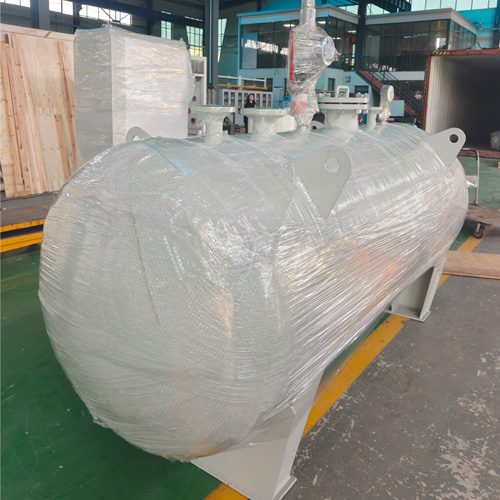
Finally, it is necessary to confirm the supporting service capabilities of the supplier, including installation guidance, subsequent vacuum maintenance, and replacement of vulnerable parts, etc. Reliable suppliers can help you maintain the tank in a good working condition throughout the 13-14-year equipment life cycle, avoiding the dilemma of not being able to find technical support when problems arise later.
In summary, selecting a low-temperature storage tank is never a simple purchase based solely on capacity and price. It is a systematic selection that combines the characteristics of the medium, usage scenarios, and long-term operational requirements. Starting from clarifying the core requirements, avoiding the misconception of only looking for low prices, and choosing equipment that truly suits your conditions, can ensure that the low-temperature storage tank provides stable and reliable support for your research and production in the long term.