
You walk into the storage room and sense that something isn’t right. The air feels stuffy, and you feel a little dizzy. By the time you realize it, it may already be too late.
This is where liquid nitrogen tanks are most often underestimated. They sit quietly in a corner like stainless steel containers—odorless, colorless, and without warning. The moment a valve comes loose or a lid is screwed on too tightly, danger strikes.
This guide is written for those who handle these tanks on a daily basis: lab supervisors, equipment technicians, and safety officers. The content is based on CGA P-12-2023, NFPA 55, and OSHA regulations regarding oxygen-deficient environments. Local regulations and equipment manuals always take precedence.
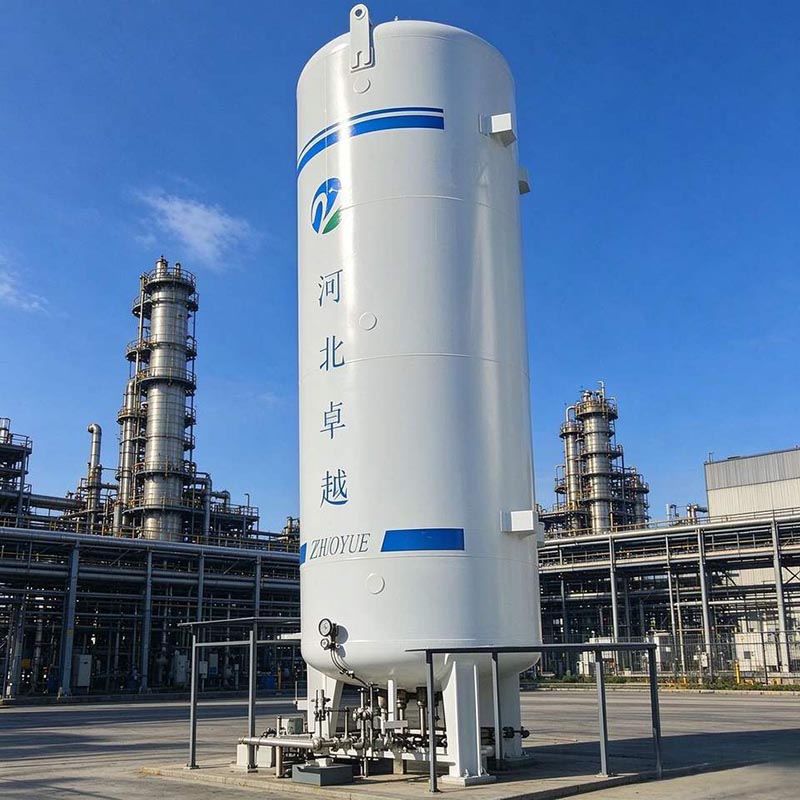
First, remember this number:
Liquid nitrogen boils at −195.8°C (−320°F) and vaporizes extremely rapidly at atmospheric pressure.
According to CGA P-12, the gas-to-liquid expansion ratio is approximately 1:694. One liter of liquid turns into nearly 694 liters of gas. Some guides round this to 700; the exact figure isn’t important—it’s the order of magnitude that matters.
If 10 liters of liquid nitrogen vaporizes in a small storage room, approximately 7,000 liters of nitrogen gas will fill the room. Oxygen is displaced. A person will first feel tired, then drowsy, and eventually collapse. Odorless and colorless, nitrogen gives no warning. That is where the danger lies.
Two details are easily overlooked. Cold nitrogen vapor is heavier than air and spreads along the floor first. Exposed cold metal can cause oxygen to condense from the air, causing nearby objects to burn more intensely. Keep cold surfaces away from flammable materials.
In short: The liquid itself is not the primary hazard—it’s the gas it produces.
Check Before Filling
A few minutes of inspection can prevent a batch of samples from being scrapped or someone from getting injured.
•Inspect the outer casing. If frost or water droplets appear on the vacuum-jacketed tank, it may indicate a vacuum leak; stop use and contact the supplier.
•Inspect the neck and cap. The cap must fit loosely; it must never be airtight.
•Inspect the hoses and fittings. Check for cracks, brittle rubber, or loose connections. Carbon steel and standard rubber become brittle at low temperatures.
•Confirm that the pressure relief device is in place; do not remove, block, or adjust it yourself.
•Check the level gauge to determine how much liquid remains inside.
Take prolonged exposure of the tank to open air seriously. Moisture and ice can block the neck or vent, causing normal vaporization to result in overpressure. Do not use hard objects to pry away ice; contact the supplier for handling instructions.
Secure the room first.
Ventilation is not a nice-to-have; it is a life-saving control measure.
Both storage and repackaging must take place in a well-ventilated area. Cupboards, walk-in cold storage rooms, and sealed laboratories are not acceptable. Air Products’ Safetygram 7 recommends at least six air changes per hour. NFPA 55 and local fire codes may have additional requirements.
Enclosed spaces must be equipped with oxygen monitors, with the alarm set to trigger before oxygen levels drop to 19.5%. OSHA defines 19.5% as the threshold for an oxygen-deficient environment. Below this level, you need a breathing apparatus, not a filtering facepiece.
Keep the area dry and tidy: no heat sources, no spark-producing electrical equipment, and no piles of cardboard boxes or solvents. Secure cylinders in an upright position and leave sufficient operating space around them.
Here’s another rule that’s often overlooked: Do not take nitrogen cylinders in an elevator. Have them transported separately, or carry them up the stairs.
Wear the Right Protective Gear
Cold-weather protective gear serves only one purpose: to give you a few seconds to escape the liquid.
•Gloves: Loose-fitting cold-weather gloves or leather gloves. Tight gloves will press the liquid against your skin.
•Eyes: Chemical-resistant goggles, with a full-face respirator worn over them.
•Body: Long sleeves, a cryogenic apron or protective suit, and pants without cuffs.
•Feet: Closed-toe safety shoes—no sandals or mesh shoes.
Cuffs can trap splashes against your wrists, so avoid them. Gloves must be able to be quickly thrown off—once liquid gets inside, a tight-fitting glove actually presses the cold against your skin, which can sometimes be worse than wearing nothing at all.
Small splashes form beads of liquid that roll away; they may look harmless. Don’t be fooled. Prolonged contact can cause cryogenic burns, which are treated the same way as thermal burns. This is called the Leidenfrost effect—it is not protective gear.
During emergency response, a face shield and gloves are insufficient; use a self-contained breathing apparatus.
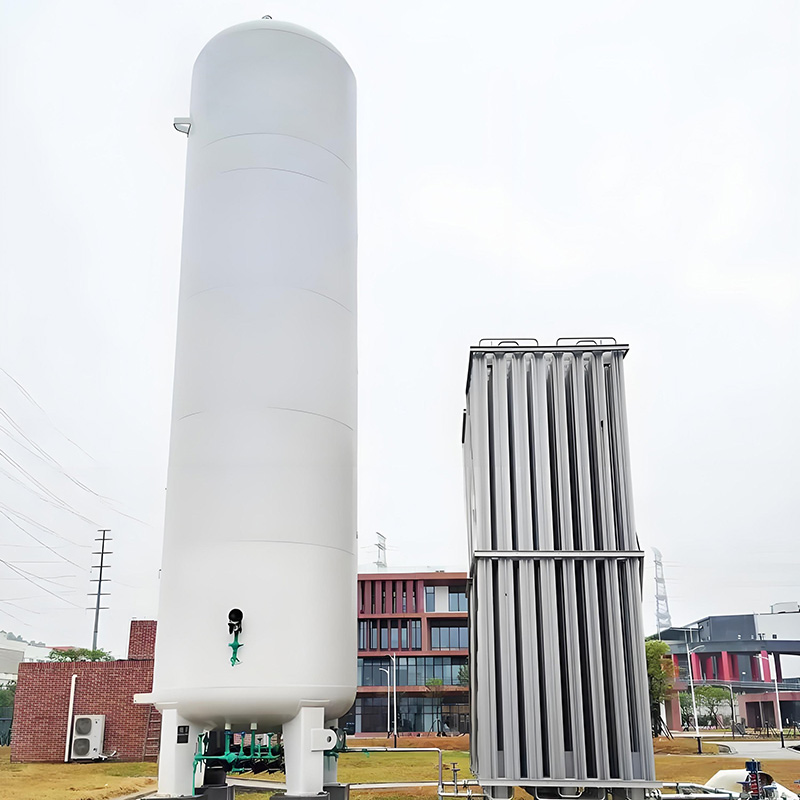
Filling and Transferring: Slow Is Fast
Most accidents occur during transfer, not during storage.
Use only compatible, cryogenic-grade hoses and fittings; do not use makeshift adapters. Open valves and pour slowly. High flow rates can cause splashing and violent boiling; boiling is particularly intense when filling a warm container for the first time. Use tweezers or a basket to place items inside—never use your bare hands.
Leave headspace; do not fill to the rim. Many facilities limit filling to about 80% of capacity because gas expansion during heating can increase pressure. Follow your container’s rated capacity.
Stay with the container during transfer. If you walk away, a full container may overflow before you return. This mistake has already cost lives. It sounds simple, yet it keeps happening.
When finished, close the valve and secure the outlet cap. “Closed” never means “sealed”; the pressure relief path must remain unobstructed.
Ultimately, all of these habits hinge on one thing: a reliable tank. Properly matched hoses, responsive pressure relief, and lids that loosen when they should—if you choose the right equipment, many risks simply won’t arise. If you’re in the market for a liquid nitrogen storage tank, or if you’re unsure about the configuration of your existing tank, feel free to reach out to Zhuoyue Gas Equipment. Just provide them with the tank model, filling capacity, and on-site conditions, and let their engineers walk you through the entire process based on your specific equipment—it’s much less of a hassle than figuring it out on your own.