
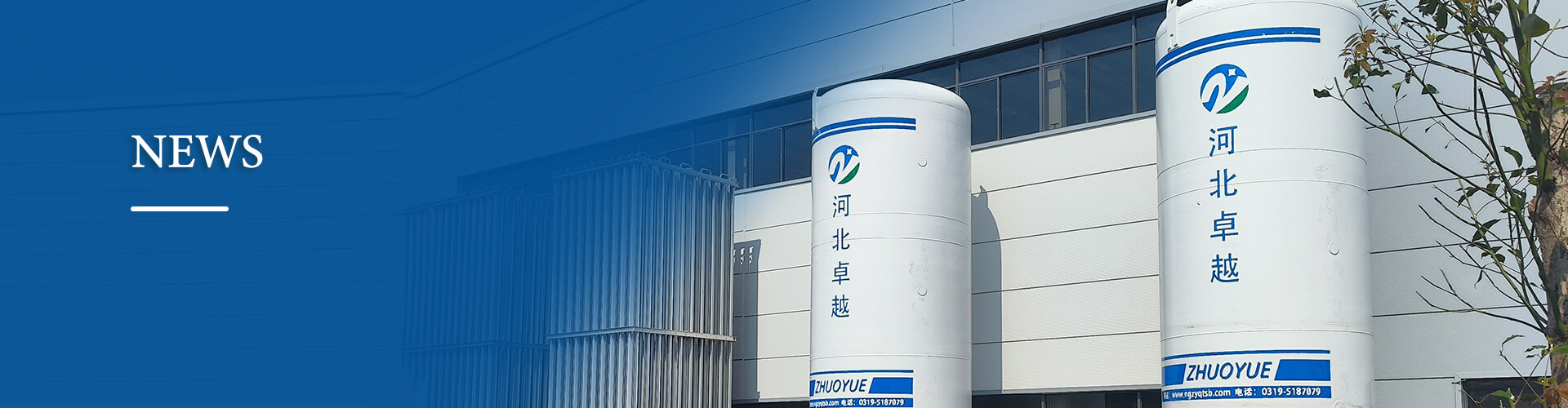
For many overseas customers who deal with industrial low-temperature gases, the storage principle and operation logic of liquid oxygen storage tanks have always been the core concern in their purchasing decisions. Many foreign trade customers will repeatedly confirm during inquiries: How do your tanks stabilize -183℃ liquid oxygen for several months or even longer? Why can the daily evaporation rates of different manufacturers of low-temperature containers differ by several times? The answers to these questions are precisely the most core technical details of the low-temperature gas equipment industry, and they are also the practical information that overseas industrial, medical, and aerospace procurement parties truly care about.
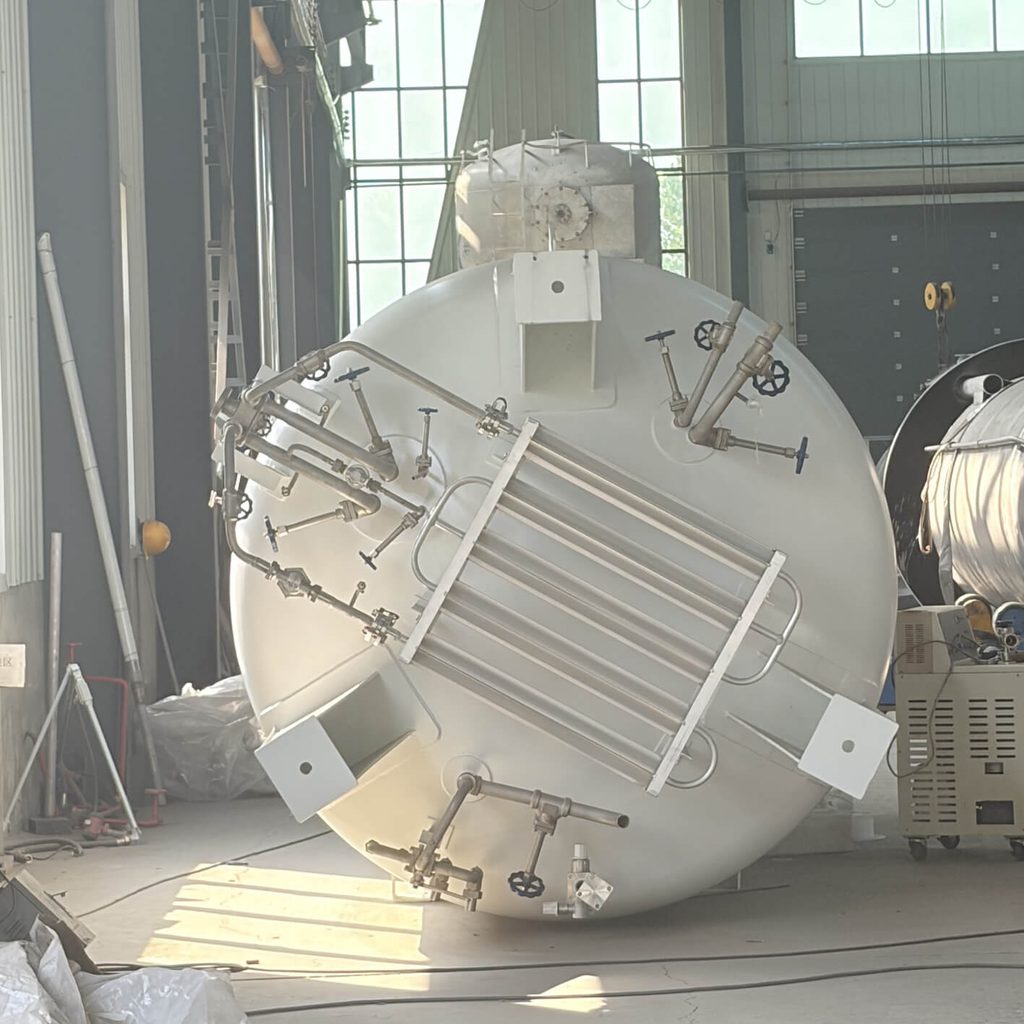
I. Double-layer vacuum insulation structure: The core foundation of low-temperature storage
The physical properties of liquid oxygen determine the difficulty of its storage: At standard atmospheric pressure, oxygen needs to be cooled to -183℃ to transition from gaseous to liquid state, and even a little bit of external heat transfer will cause it to rapidly evaporate into gas, with a volume expansion of 860 times. If ordinary single-layer metal tanks are used to store liquid oxygen, within a few hours, due to extensive evaporation, the internal pressure will exceed the limit, and it will be impossible to store for a long time.
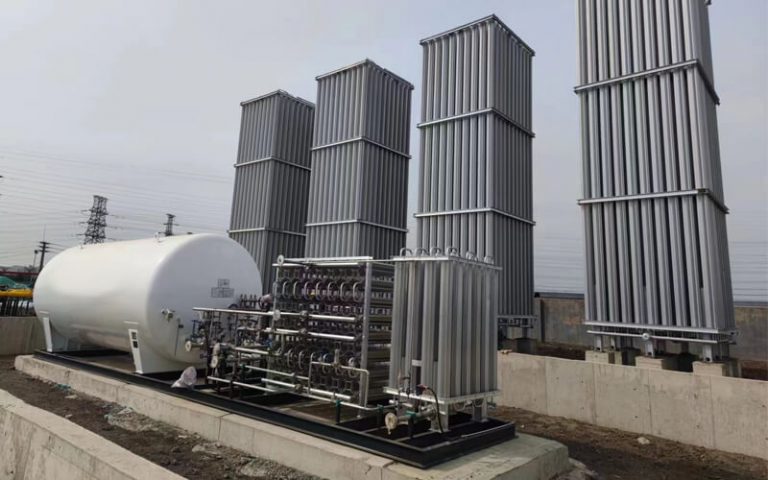
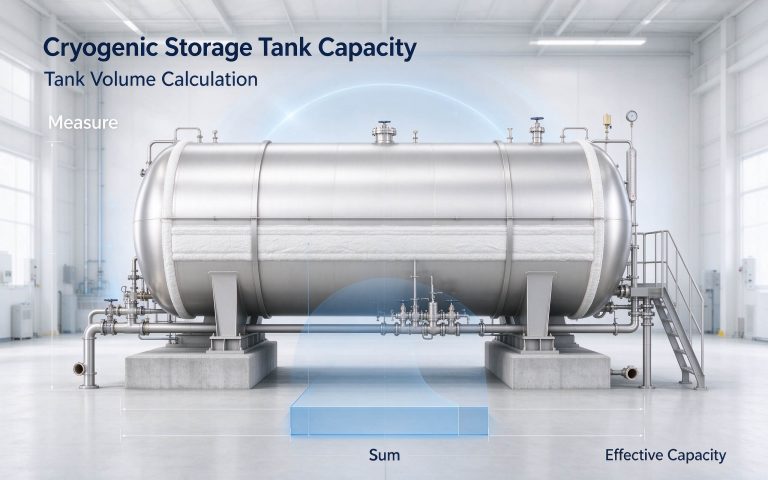
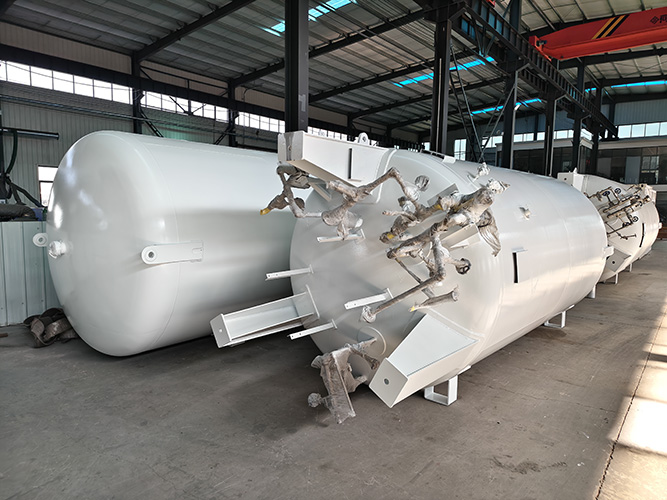
All industrial-grade liquid oxygen storage tanks are designed with double-layer independent tank structures. The inner and outer layers are completely separate pressure-bearing structures. The inner tank directly contacts the liquid oxygen and is entirely made of austenitic stainless steel, which can maintain stable toughness at -196℃ in an ultra-low temperature environment, unlike ordinary carbon steel which becomes brittle and cracks when cooled, fully meeting the standards of GB/T18442 and international ISO 21009 for low-temperature pressure vessels. The outer tank generally uses stronger carbon steel to resist external pressure and mechanical impact, providing physical protection for the inner tank.
The space between the two layers is the most critical part of the entire low-temperature storage system. During production, all the air in the space is removed, reaching a high vacuum state of 10⁻²Pa, completely eliminating the path for heat conduction through air. Many high-end models also fill multiple layers of aluminum foil insulation materials in the vacuum space, using a layer-by-layer reflection method to block heat radiation and minimize the transfer of external heat to the inner tank to the lowest level. Our regular products can control the daily evaporation rate to below 0.3%, far lower than the industry standard of 0.5%, significantly reducing the daily filling costs for customers.
II. Full-process pressure control system: A safety barrier to avoid overpressure risks
Even with the best vacuum insulation, it is impossible to completely block the infiltration of external heat into the tank. Natural evaporation of a small amount of liquid oxygen is an inevitable normal phenomenon. If the evaporated gaseous oxygen remains in the sealed tank, the internal pressure will continue to rise, eventually exceeding the design pressure limit of the tank, causing safety hazards.
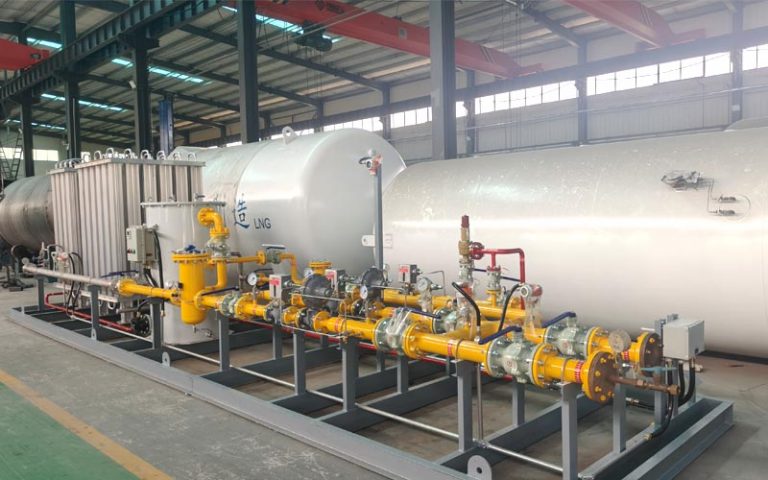
A well-designed liquid oxygen storage tank will be equipped with a three-level pressure safety protection system. The first level is an automatic pressure regulating valve. When the tank pressure rises to the upper limit of the working pressure, the pressure regulating valve will automatically open, slowly releasing the excess gaseous oxygen, stabilizing the pressure within the set safe range. The second level is a full-opening safety valve, serving as a redundant protection device. If the pressure regulating valve fails, when the pressure reaches the design pressure threshold of the tank, the safety valve will instantly open to quickly release pressure, fundamentally preventing the tank from overpressurizing. The third level is a rupture disc, serving as the last line of defense. In extreme conditions, if the first two levels fail, the rupture disc will rupture first to release pressure, protecting the main structure of the tank from being damaged.
In addition, the tank body will also be equipped with high-precision pressure gauges and pressure transmitters. On-site, real-time pressure data can be read directly, and the data can be remotely transmitted to the customer’s central control system, enabling 24-hour unmanned remote monitoring. The verification cycle of all safety accessories is strictly controlled within 12 months, fully meeting the requirements of international pressure vessel safety supervision regulations. Whether in industrial plants in Europe and America or medical centers in Southeast Asia, they can all comply with local safety compliance standards.
Ⅲ. Materials and Process Details: Key to Long-Term Operational Stability
Many overseas customers purchase storage tanks only based on capacity and price, ignoring the process details during production. Eventually, problems such as rapid decline in vacuum degree and soaring evaporation rate occur within just one or two years, resulting in higher operating costs.
Our liquid oxygen storage tanks strictly follow the welding process assessment standards of NB/T47014 during the welding process. All butt welds undergo 100% non-destructive testing, without any pores or cracks, effectively preventing the leakage of low-temperature liquid from the weld seam. The foundation for the installation of the storage tank is strictly controlled to have a settlement difference of within 3mm per meter. Even after many years of operation, the tank body will not experience structural deformation due to uneven settlement, thus maintaining the sealing performance of the vacuum layer.
For different application scenarios, we also conduct targeted design optimizations: for storage tanks for hospital centralized oxygen supply systems, an oxygen concentration real-time monitoring module will be added. Once the surrounding oxygen concentration exceeds 23%, an audible and visual alarm will be triggered automatically to avoid the risk of combustion caused by excessive oxygen. For storage tanks in industrial cutting and smelting scenarios, all electrical components comply with ATEX explosion-proof standards, even in the presence of open flame operations nearby, no safety hazards will be triggered. For customized products for extreme working conditions such as aerospace launch sites, additional seismic structural design will be added to withstand earthquakes of magnitude 8 or above
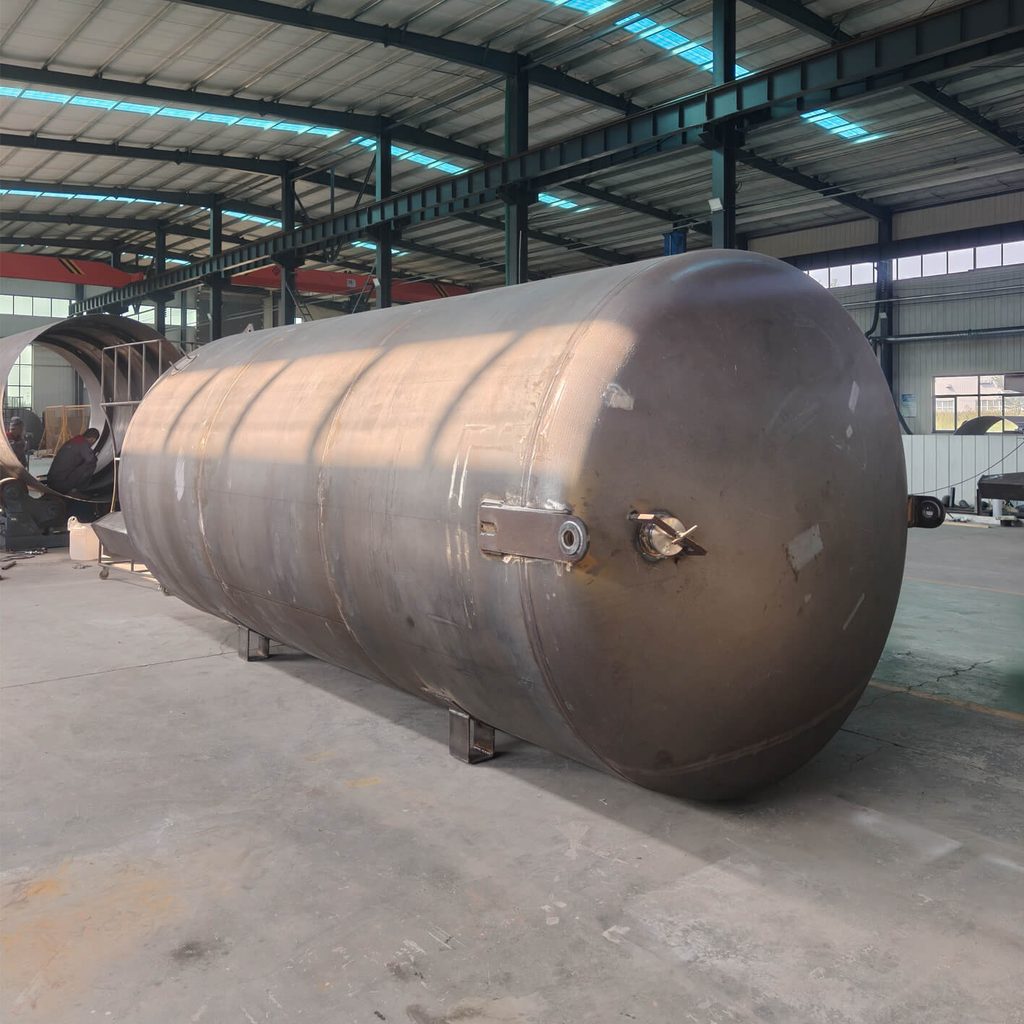
Ⅳ. Practical Guidelines for Daily Operation and Long-Term Storage
Many overseas customers shorten the service life of the storage tanks due to improper operation after receiving the equipment. In fact, the long-term stable operation of liquid oxygen storage tanks is not complicated. By doing a few core steps well, the service life of the equipment can be significantly extended:
Firstly, establish a three-level inspection system of daily inspection, weekly inspection, and monthly inspection. Record the pressure and liquid level data in the tank every day, and check the sealing status of the safety valve every week. Calibrate the pressure gauge’s accuracy once a month. Secondly, strictly control the filling coefficient during filling operations to not exceed 0.95. Do not fill the tank to the brim, leaving sufficient buffer space for the natural evaporation of liquid oxygen. Conduct a vacuum performance test once a year and a comprehensive inspection of the tank body every three years to promptly identify potential structural hazards.
The storage area should maintain good ventilation, be far away from flammable and explosive substances such as oils and hydrogen, and prohibit any open flames. Operators must undergo professional low-temperature safety training and wear anti-static work clothes and low-temperature protective gloves to avoid frostbite caused by liquid oxygen splashing. In case of a small amount of liquid oxygen leakage, immediately evacuate irrelevant personnel, turn on forced ventilation, and never switch on any electrical equipment to avoid electric sparks triggering the risk of combustion.
From centralized oxygen supply in large manufacturing factories in Europe and America to oxygen supply in remote medical centers in Southeast Asia, and to the propellant storage at aerospace launch sites, a stable liquid oxygen cryogenic storage tank is the core foundation for the reliable operation of the entire oxygen supply system. Zhuoyue Gas Equipment always believes that a good product is not achieved by simply stacking parameters, but by ensuring the safety and reliability of every detail, allowing customers to use the equipment without worrying about safety issues.