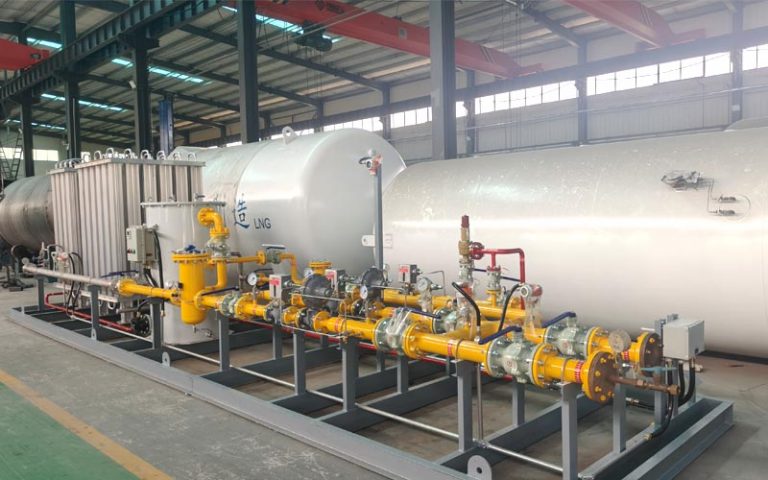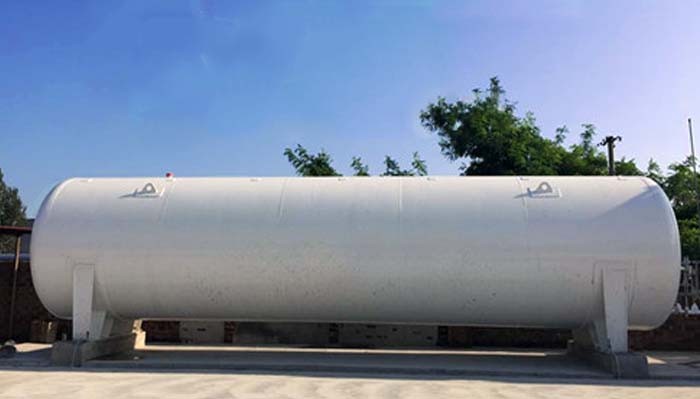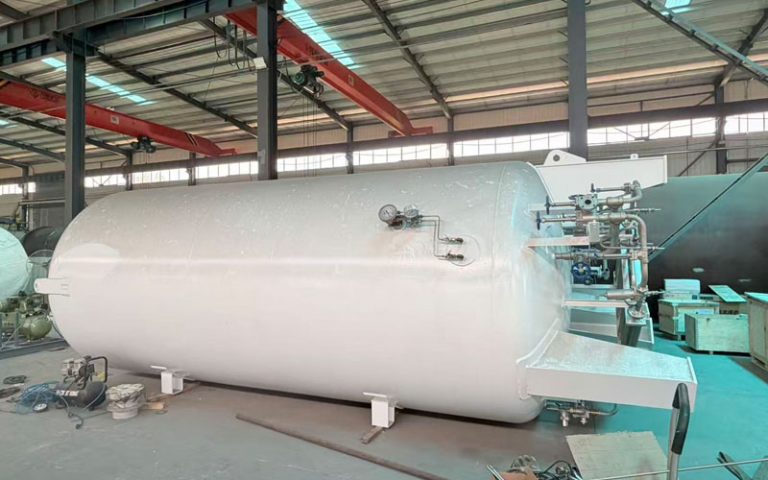
For overseas customers in the fields of industrial gases, hydrogen, aerospace, or biomedicine, cryogenic storage tanks are the core equipment for safely storing and stably transporting cryogenic media such as liquid oxygen, liquid nitrogen, and liquid hydrogen. Many purchasing teams often focus on the tank volume and insulation performance when selecting models, but tend to overlook the crucial parameter of working pressure. This can lead to the equipment not being suitable for the actual working conditions and even creating long-term safety hazards.
From practical project experience, work pressure is not an isolated number on the tank’s nameplate. It directly determines whether a cryogenic tank is suitable for your usage scenario from multiple dimensions such as safety design, material selection, operational efficiency, and long-term maintenance. Next, we will start from the actual usage scenarios of overseas customers to clearly dissect the core impact of work pressure on the selection of cryogenic storage tanks and help you avoid common selection mistakes.
1.Directly determines the safety structural design boundary of the tank
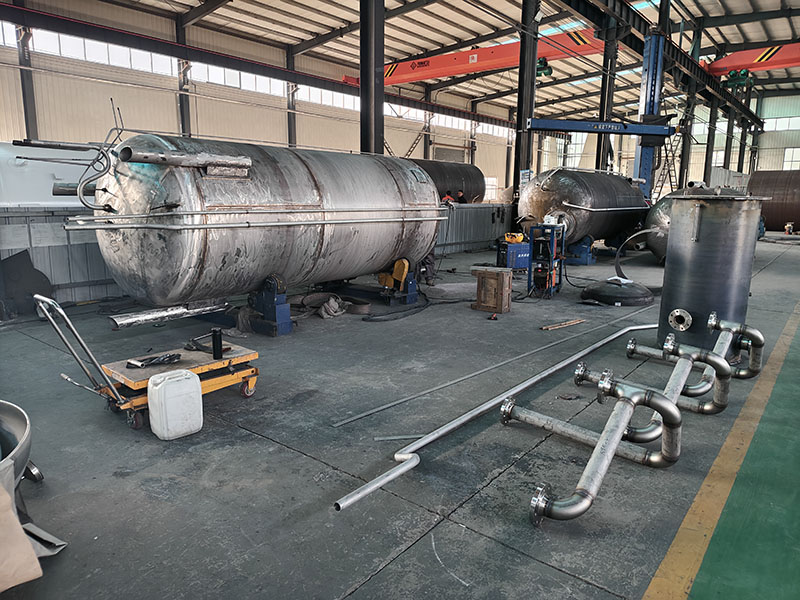
Work pressure is the core input parameter for the structural design of cryogenic storage tanks. All tank wall thickness calculations, sealing structure selection, and safety accessory configuration must be based on the rated working pressure.
The working pressure of conventional low-pressure and low-temperature storage tanks typically ranges from 0.2 MPa to 1.6 MPa. These devices usually have single-layer or double-layer insulation structures, and they use vacuum multi-layer insulation to reduce heat loss. The main applications of liquid nitrogen and liquid oxygen are static storage. Long-term insulation performance is given top priority in the design.
Once the working pressure rises to 1.6 MPa or above, it enters the medium-high pressure range. The inner cylinder wall thickness needs to be increased accordingly, and the arc-shaped transition radius at the head of the cylinder also needs to be recalculated. In some cases, a fiber winding reinforcement process is also added to distribute the stress and avoid local stress concentration during long-term pressurized operation.
During our service with European hydrogen storage and transportation customers, we found that many early projects that used low-pressure tanks later encountered problems such as rapid pressure increase of the tank and frequent activation of safety accessories when they needed to connect to high-pressure hydrogen supply systems. Eventually, they could only replace the tanks with those suitable for higher working pressures, which increased the overall project cost.
2. Directly relates to material selection and compatibility with the cryogenic environment
Cryogenic storage tanks operate in an ultra-low temperature environment of -162°C and above, while also bearing continuous internal pressure loads. The working pressure’s level directly affects the material selection standard for the tank.
Under low-pressure conditions, conventional austenitic stainless steel can meet the material toughness requirements, and the material cost control is more flexible; but when the working pressure exceeds 3 MPa, not only must the material’s impact toughness in ultra-low temperatures meet the standards, but also the material fatigue degradation caused by the pressure load needs to be considered. Some critical parts may require specially quenched and tempered high-strength cryogenic alloy steel.
Current industry simulations have confirmed that the thermal stress and mechanical stress caused by working pressure in the cryogenic environment will form a superimposed effect. If only the impact of cryogenic conditions on the material is considered, while ignoring the additional stress brought by the working pressure, it is very likely to cause microscopic cracks in the tank over the long term, significantly shortening the safety service life of the equipment.
For storage scenarios of special media such as liquid hydrogen, higher working pressures also require materials with stricter anti-hydrogen embrittlement performance. We will adjust the grade and welding process of the inner cylinder material based on the customer’s rated working pressure to avoid material performance degradation during long-term operation.
3.Fully match your actual usage conditions
Different application scenarios have greatly varying requirements for the working pressure of cryogenic storage tanks. Discussing pressure selection without considering the working conditions is likely to lead to “using too small a material” or “insufficient capacity” problems.
If your scenario is to store a small amount of low-temperature samples in a laboratory, a low-pressure storage tank below 0.8 MPa is sufficient. Designing with an excessively high working pressure would instead cause unnecessary increases in equipment procurement costs.
If the tank needs to be directly connected to a high-pressure gasification external supply system, or if it needs to meet the long-distance pipeline transportation of low-temperature liquids, it must choose a tank with a working pressure matching the downstream system. Otherwise, there will be a problem of insufficient output pressure, preventing the back-end process equipment from running.
For low-temperature storage tanks for maritime export, we will also consider the natural pressure rise rate caused by temperature changes during ocean transportation for customers, and help them select a rated pressure level slightly higher than the daily working requirements. This avoids the situation where the internal pressure of the tank naturally exceeds the design threshold during cross-ocean transportation, triggering safety protection devices.
4.Impact on Long-Term Operation Costs and Full Lifecycle Safety
The selection of working pressure will also directly affect the operation cost and safety maintenance difficulty of the tank over the next 10-15 years after delivery.
A tank that is adapted to a reasonable working pressure will have its internal pressure remaining within the optimal design range during operation, with the BOG (evaporative gas) production rate controlled at the lowest level. There will be no need for frequent manual depressurization, reducing waste of the medium and the daily operation workload.
If the working pressure selected during the type selection is too low, the internal pressure of the tank will remain in the range close to the activation of the safety valve, not only resulting in a significant increase in evaporation loss, but also a substantial increase in the replacement frequency of safety accessories such as safety valves and rupture discs. The long-term operation cost will be much higher than the budget originally invested.
All storage tanks provided by us for overseas customers will undergo third-party certification tests for water pressure and air tightness according to the corresponding pressure level, and provide a complete set of safety accessory verification guidelines for this pressure level, helping customers easily complete compliance checks during the usage period and meet local industrial safety regulations requirements.
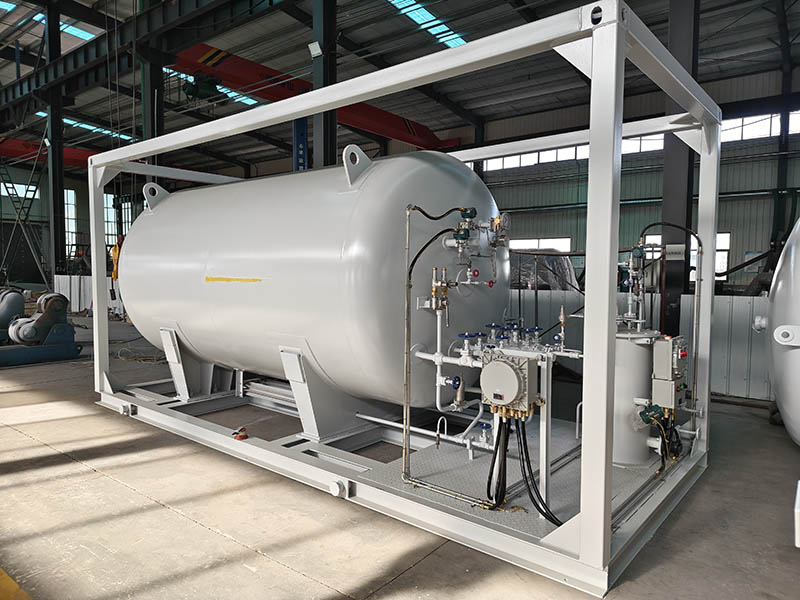
Many overseas customers, when communicating with us about type selection requirements, will first state their storage medium and volume requirements, but rarely mention the working pressure parameters of the system. The appropriate level of working pressure should be matched with the actual operating conditions. Only then can the cryogenic storage tank meet the core requirements of safety, efficiency and economy throughout its entire life cycle. Unsure which pressure level to choose? Just let us know your storage medium, the pressure requirements of the downstream system and your daily usage scenarios. Our Zhuoyue Gas Equipment Engineering Team will tailor a model selection plan for you.