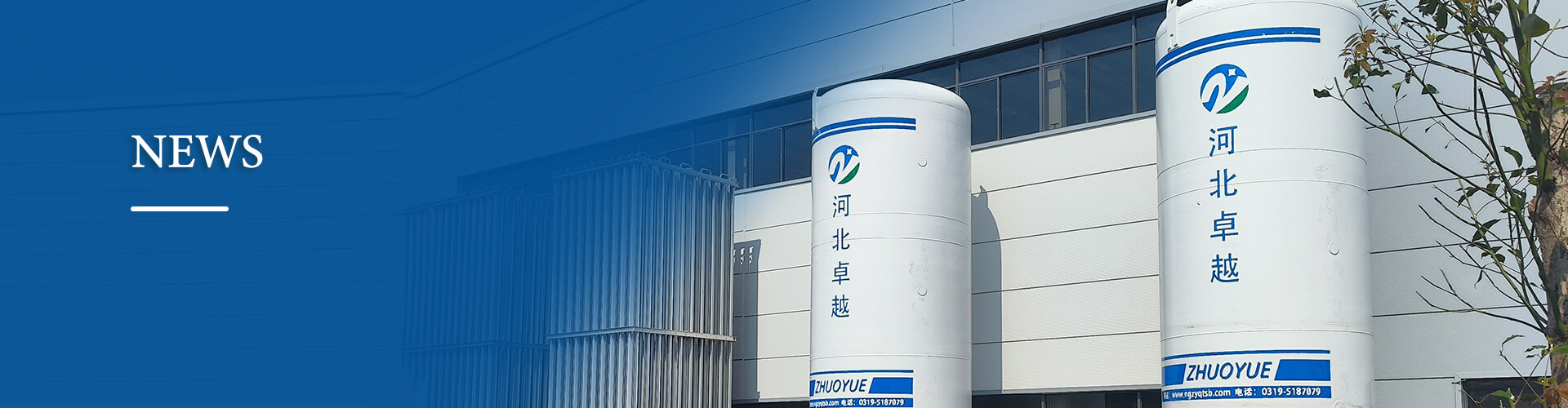
As practitioners specializing in the manufacturing and export of cryogenic gas equipment, we have observed during our communication with global customers that when many overseas buyers first encounter Cryogenic Storage Tanks, they often confuse them with ordinary atmospheric pressure liquid storage tanks. In fact, these devices are the core carriers in the industrial cryogenic supply chain and are the key hardware for achieving safe storage in fields such as high-purity gases, biomedicine, and new energy.
I. What are Cryogenic Storage Tanks
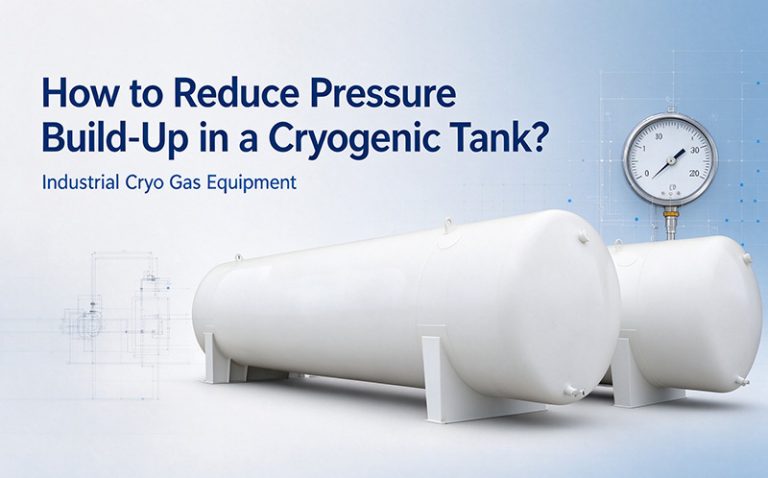
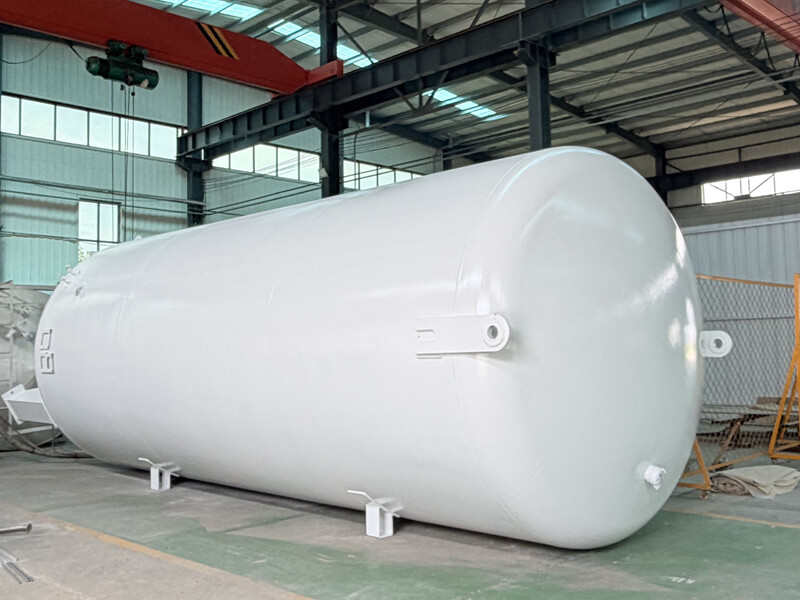
Cryogenic Storage Tanks, also known as cryogenic liquid storage tanks, are pressure-bearing and insulated containers specifically designed to store cryogenic media with a boiling point lower than -150℃. Unlike ordinary industrial storage tanks, the core of their design is not merely the volume and pressure-bearing capacity, but rather the requirement to keep the evaporation loss of the cryogenic medium within an extremely low level during long-term static storage. We have come into contact with many small and medium-sized European customers. Previously, they modified ordinary storage tanks to store liquid oxygen, and within less than a week, the medium completely vaporized and emptied. Only then did they realize that such equipment must be designed to adapt to the special properties of cryogenic media from the very beginning of the structural design.
II. Core Working Principle
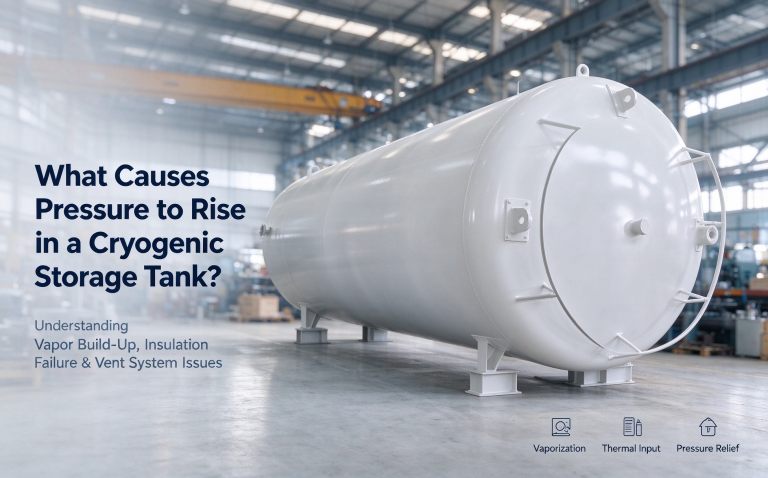
Its core logic actually involves a combined design of “double-layer cavity + multiple insulation layers”:
1.The inner tank is made of low-temperature-resistant austenitic stainless steel, which directly comes into contact with low-temperature media such as liquid oxygen, liquid nitrogen, liquid argon, and liquefied natural gas. This design is to prevent material cracking under low temperatures, which could cause safety hazards.
2.The outer cylinder is made of carbon steel or low-alloy steel and mainly bears the external environmental pressure and the load from the overall structure.A sealed insulation layer is left between the two layers of the tank body.
3.The inner layer is filled with heat-insulating materials such as pearlescent sand and multi-layer insulation paper. Then, it is evacuated to a high vacuum state to completely block the heat intrusion caused by air conduction. This design minimizes the entry of external heat into the tank, preventing the medium from vaporizing due to the influx of external heat. This design enables the cryogenic medium inside the tank to maintain a long-term liquid state without the need for external cooling equipment, significantly reducing operating energy consumption.
III. Main Product Categories
Currently, the common Cryogenic Storage Tanks available in the overseas market are mainly classified into three categories based on their application scenarios and insulation methods:
1.Vertical low-temperature storage tanks are very practical in areas with limited space, such as centralized gas supply stations in industrial zones or small biomedical laboratories. They do occupy a relatively small area. The capacity ranges from 5 to 50 cubic meters, and many customers planning to purchase small and medium-sized equipment will give priority to this type.
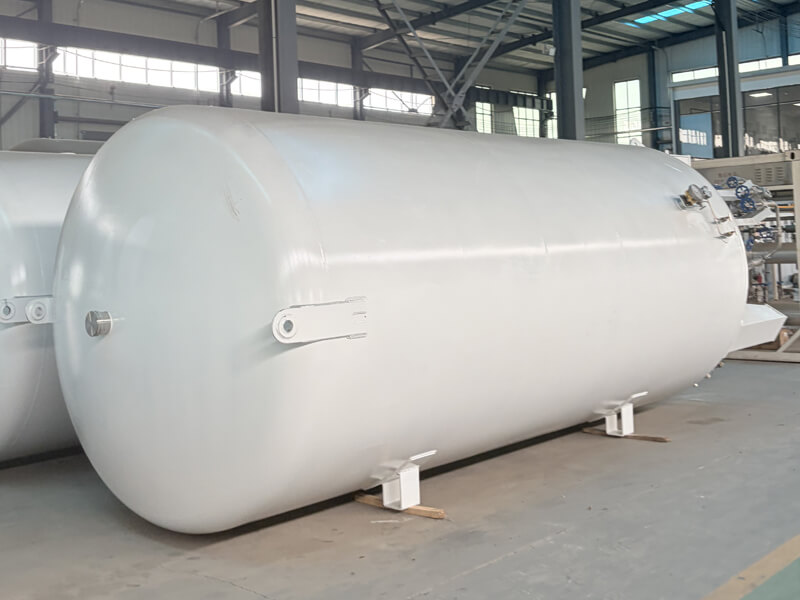
2.Horizontal low-temperature storage tanks have a lower center of gravity and are more convenient for transportation and installation. If you need to frequently move equipment or have particularly high stability requirements, such as for mobile filling stations and remote oil and gas exploration sites, this is very suitable. Its capacity range is 10 to 100 cubic meters.
3.Vacuum powder insulation type storage tank: This is the category with the highest export proportion at present. After filling the inner layer with pearl sand and vacuuming, the insulation performance is stable, the manufacturing cost is moderate, and it is suitable for the majority of conventional cryogenic gas storage requirements.
IV. Core Performance Features
Compared with ordinary liquid storage containers, qualified industrial-grade Cryogenic Storage Tanks have three indispensable advantages:
1.Low evaporation rate
This can lead to significant savings in procurement costs over time;
2.High safety redundancy
The tank is equipped with multiple safety valves, explosion-proof devices and real-time pressure monitoring interfaces. Even in extreme situations such as sudden temperature rise or improper operation, it can automatically release pressure to avoid safety risks.
3.Strong adaptability
It can adjust the internal sealing components and pipeline materials according to different media. It can not only store common industrial gases, but also be compatible with high-purity electronic-grade gases, food-grade liquid carbon dioxide and other media with special cleanliness requirements.
V. Global Mainstream Application Scenarios
Based on our recent export orders, the application scenarios of Cryogenic Storage Tanks have covered dozens of industries:
In the metal processing industry, it provides stable liquid oxygen and liquid nitrogen reserves for centralized gas supply systems, ensuring the continuous operation of cutting and welding processes; in the biopharmaceutical field, the cryogenic tanks are used to store vaccine raw materials and cell samples, maintaining a deep cold environment of -196℃ throughout the process to prevent the loss of biological activity; in the new energy industry, it is the core equipment for liquid hydrogen storage in the hydrogen energy chain, supporting the long-distance transportation and distributed storage of green hydrogen; in the food freezing industry, the stable supply of liquid carbon dioxide at low temperatures also relies entirely on such equipment.
For industrial purchasers around the world, choosing the right Cryogenic Storage Tanks that are suitable for their specific operating conditions not only reduces the long-term loss of the medium but also fundamentally eliminates the safety risks associated with the storage of cryogenic media. If you have any purchasing plans in this regard, you can contact Zhuoyue Gas Equipment. We can customize a solution based on your situation.