
The core application scenarios of cryogenic liquid storage tanks cover key cryogenic storage equipment for both industrial and civilian use.
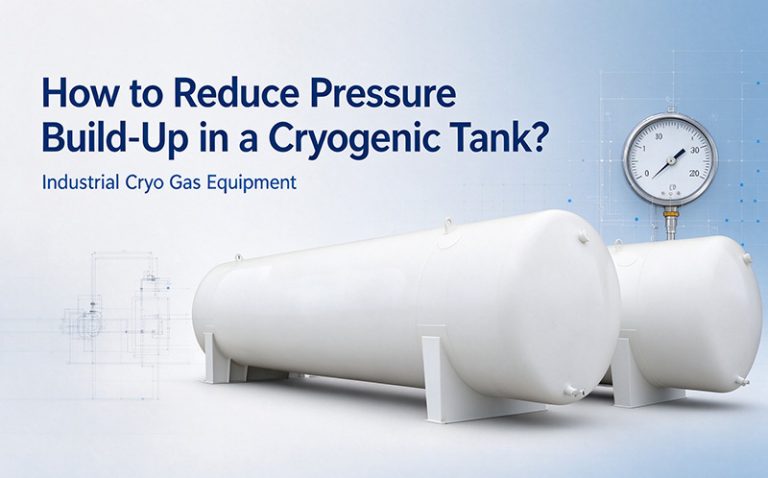
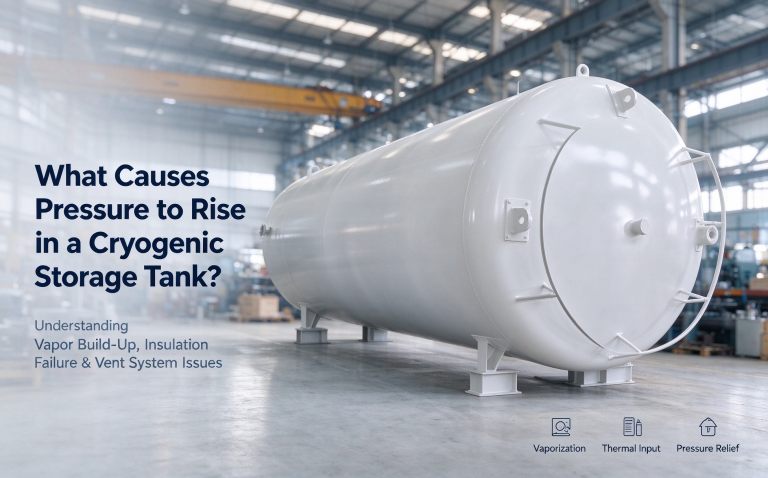
In the modern low-temperature gas industry, low-temperature liquid storage tanks are the core equipment that ensures the safe and efficient storage of liquid gases. Unlike standard pressure vessels, these storage tanks feature advanced double-layer vacuum insulation. This design safely holds cryogenic liquids like oxygen, nitrogen, argon, and LNG at extreme temperatures of -196℃ and below. As a result, the costs of gas transportation and usage are significantly reduced.For many domestic users of low-temperature gas equipment, understanding their actual application scenarios is necessary to precisely match their production needs.
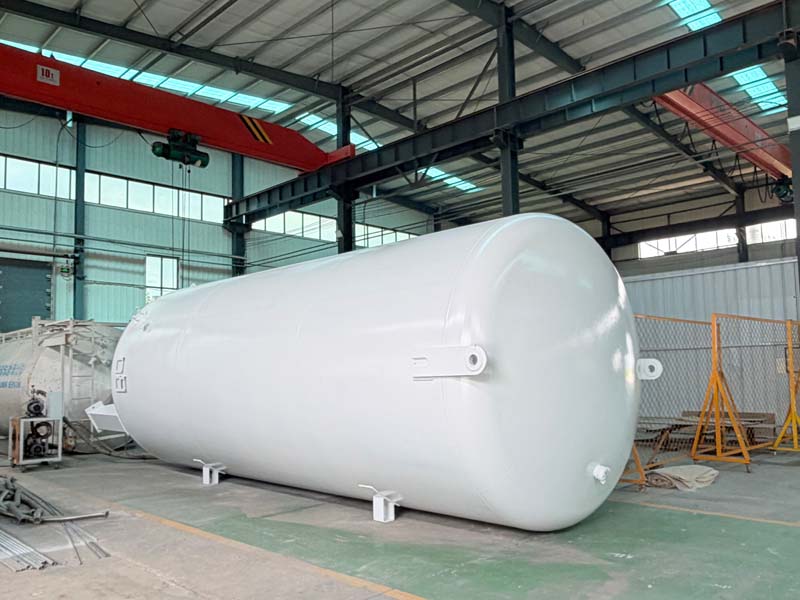
I. The centralized supply scenario in the industrial gas industry
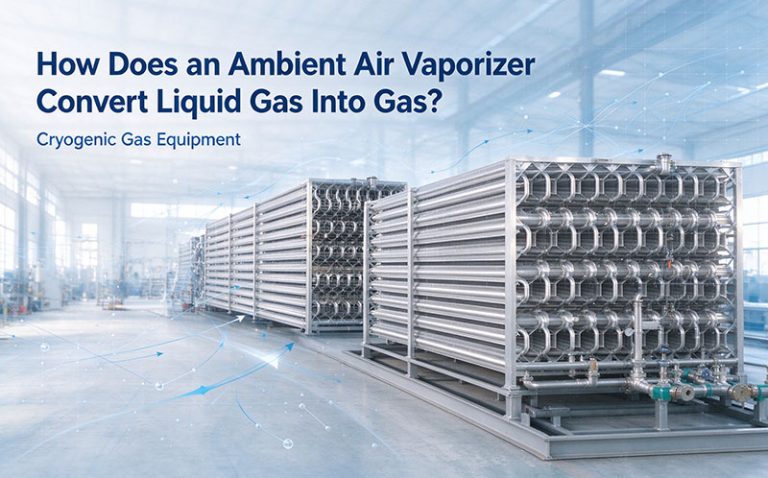
This is the most widely applied field of low-temperature liquid storage tanks. For large manufacturing plants and mechanical processing hubs, relying on scattered high-pressure gas cylinders is a thing of the past. The constant need to swap out cylinders didn’t just slow down production—it created serious safety hazards.By using 10-50 cubic meters of low-temperature liquid storage tanks, enterprises can directly purchase liquid industrial gases in large quantities from gas manufacturers and then convert them into gaseous form through vaporizers at the site. After that, they can be transported to various workstations through pipelines. This model can reduce the gas supply cost by more than 30%, while avoiding the safety risks of transporting steel cylinders. Currently, this model has been widely adopted in industries such as automotive manufacturing, steel structure processing, and hardware production.
II. Specialized storage requirements in the medical and health sector
In the central oxygen supply system of the hospital, the large-scale cryogenic liquid oxygen storage tanks are the core supporting equipment. Standard gas cylinders just can’t keep up when oxygen demand spikes. That’s exactly why tertiary and infectious disease hospitals are switching to our centralized systems for a truly uninterrupted supply. But our equipment goes far beyond oxygen delivery. Cryogenic liquid nitrogen tanks are the backbone of modern biomedicine. Whether you’re managing stem cell storage, securing vaccine cold chains, or running a long-term biological sample bank, these tanks lock in a stable -196℃ environment. This extreme cold keeps biological active substances intact for decades, making them a non-negotiable asset for any serious medical research facility.
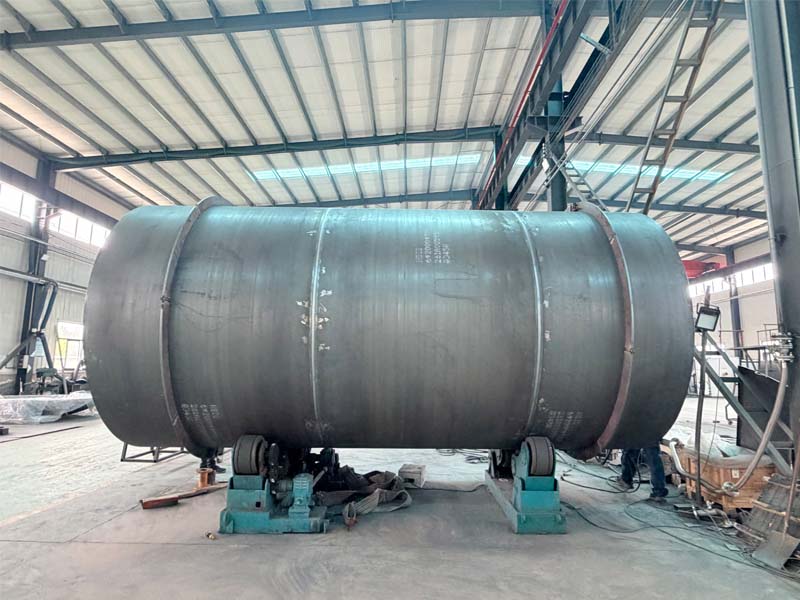
III. Supporting Role in New Energy and Frontier Research Fields
With the rapid development of the hydrogen energy industry, low-temperature liquid hydrogen storage tanks have become a standard configuration in hydrogen refueling stations. They can safely store high-density liquid hydrogen and meet the daily hydrogen refueling needs of hydrogen fuel cell vehicles.At space launch sites, specialized low-temperature storage tanks are used to store liquid oxygen and liquid hydrogen propellants, providing a stable fuel supply for rocket launches. In the semiconductor manufacturing industry, high-purity liquid nitrogen storage tanks can provide inert protective gas for the chip production process and precisely maintain a low-temperature cooling environment for precision equipment, ensuring stable chip production yield.
IV. Innovative Applications of Food Freezing and Cold Chain Logistics
In the frozen food processing and fresh food cold chain industry, the liquid nitrogen stored in the low-temperature liquid storage tanks can achieve rapid freezing. Spraying liquid nitrogen can quickly lower the temperature of food to below -30℃, locking in both flavor and nutrition. Compared to traditional mechanical freezing, the effect is much better. In cross-regional cold chain trunk transportation stations, equipped with small cryogenic liquid nitrogen storage tanks, it can replenish the cold supply for delivery vehicles at any time, ensuring that the temperature of the fresh food remains stable during long-distance transportation, thus preventing the food from spoiling easily.
Zhouyue Gas Equipment, as a professional service provider of low-temperature gas equipment, suggests that users should first customize the solution based on three key parameters when choosing a low-temperature liquid storage tank: the average daily gas consumption, on-site installation conditions, and the type of medium. This approach can ensure safety and economy during long-term use.