
Analysis of Operating Temperatures for Low-temperature Storage Tanks: Core Standards for Different Media, Scenarios, and Safe Operation
For professionals in the industrial gas, energy, and medical fields, low-temperature storage tanks are the core equipment for safely storing liquid cryogenic media. “At what temperature should low-temperature storage tanks operate?” is the most frequently searched core question by overseas customers before making a purchase. Many purchasers mistakenly believe that all low-temperature storage tanks operate at a fixed temperature. In fact, for different storage media, application scenarios, and tank structures, the corresponding operating temperature ranges have very clear industry standards. The accuracy of temperature control directly determines the safety performance, medium loss rate, and long-term service life of the tank. This article will, from the perspective of actual industrial applications, thoroughly dissect the operating temperature ranges of different types of low-temperature storage tanks, the underlying design logic, and the key temperature control points that need to be noted during daily operation, helping you avoid common temperature misunderstandings when selecting and using them.
Core operating temperature ranges for different media
The operating temperature of low-temperature storage tanks is never a uniform value. It is entirely determined by the physical properties of the cryogenic media stored inside the tank. Each medium has its own normal pressure boiling point, which is the benchmark temperature required for the tank’s daily operation.
Among common industrial gaseous media, the normal pressure boiling point of liquid nitrogen is -196℃, so the conventional operating temperature of the tank is stable at around -196℃; the normal pressure boiling point of liquid oxygen is -183℃, and the operating temperature is usually controlled within the range of -180℃ to -185℃; the normal pressure boiling point of liquid argon is -186℃, and the operating temperature range is similar to that of liquid oxygen, controlled within -183℃ to -190℃.
Liquefied natural gas (LNG) is mainly composed of methane, with a normal pressure boiling point of -162℃. The conventional operating temperature of large-scale LNG atmospheric storage tanks is stable at around -160℃, which is why LNG storage tanks are often called “super cold storage” in the industry.
The storage requirements for liquid hydrogen are more stringent. The normal boiling point under atmospheric pressure is only -253℃. The operating temperature of dedicated low-temperature storage tanks needs to be stably maintained at 20K (approximately -253℃) in an ultra-low temperature state. Some high-pressure liquid hydrogen storage tanks have operating temperature ranges adjusted according to pressure, staying within a range not higher than -240℃.
The operating temperature of low-temperature liquid carbon dioxide is relatively higher. The operating temperature of conventional atmospheric cryogenic storage tanks is controlled between -20℃ and -30℃, which is significantly different from the temperature ranges of the previous types of deep-cold media.
We have encountered many first-time purchasers who attempted to use ordinary liquid nitrogen storage tanks to store LNG. However, due to the mismatch in temperature control accuracy and the material’s ability to withstand low temperatures, within less than three months, the abnormal evaporation rate soared, resulting in increased subsequent maintenance costs.
Temperature control characteristics of different structural storage tanks
In addition to the storage medium, the structure of the tank and its insulation technology also directly affect the stability and fluctuation range of the actual operating temperature.
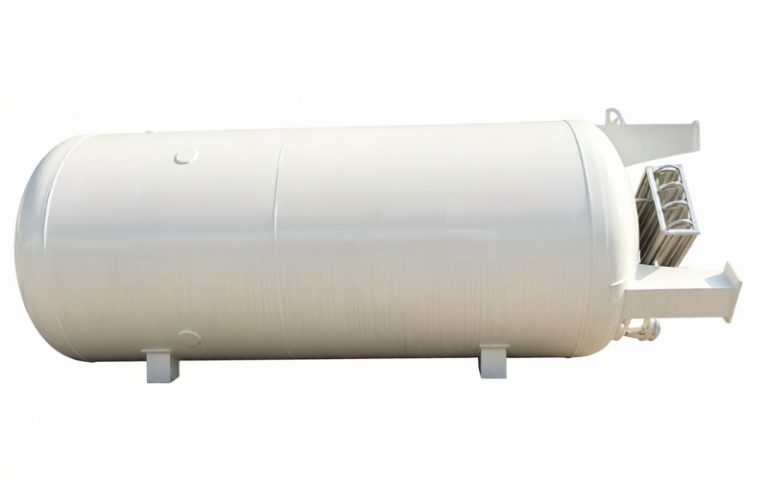
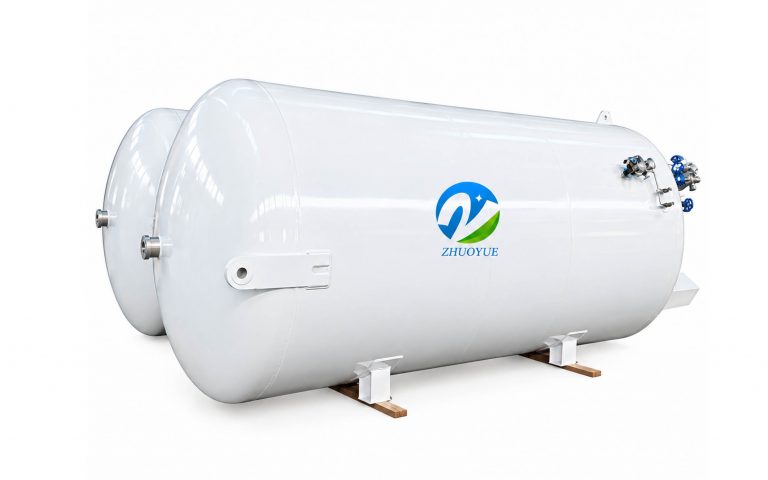
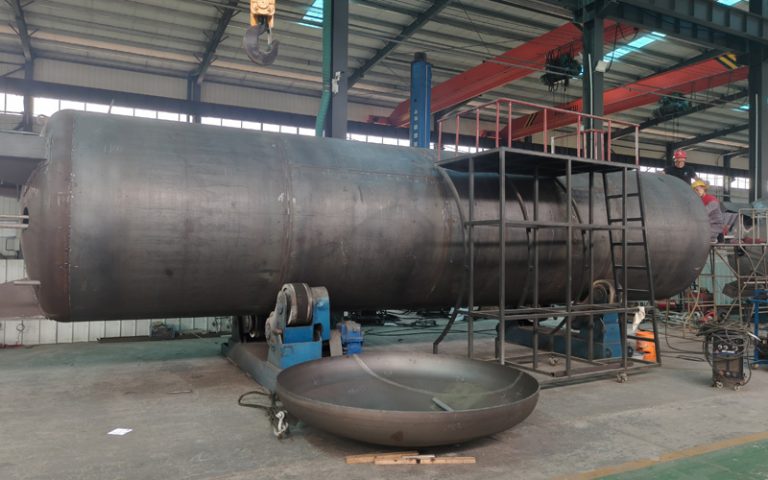
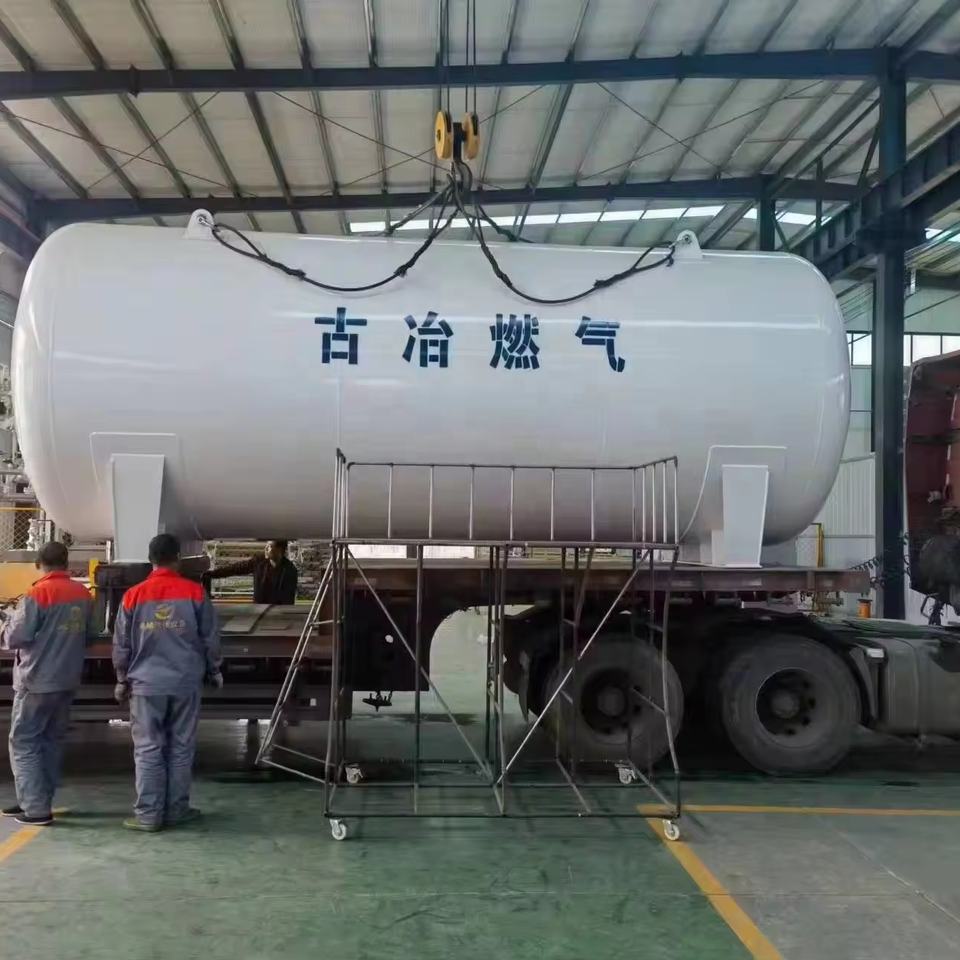
The most widely used in the industrial field is the vacuum powder insulation storage tank. This type of tank adopts a double-layer cylindrical structure, with a layer of perlite powder filling the inner and outer layers and being evacuated to a high vacuum state of 0.5 to 6Pa. Most of these tanks have a volume of less than 200 cubic meters and can work at a pressure of up to 2.0MPa. The temperature control accuracy of this type of tank is extremely high. During daily operation, the temperature fluctuation inside the tank can be controlled within ±2℃, and the natural evaporation rate of the medium can be stably controlled at 0.5% or below, making it very suitable for small-scale storage scenarios of liquid oxygen, liquid nitrogen, and liquid argon.
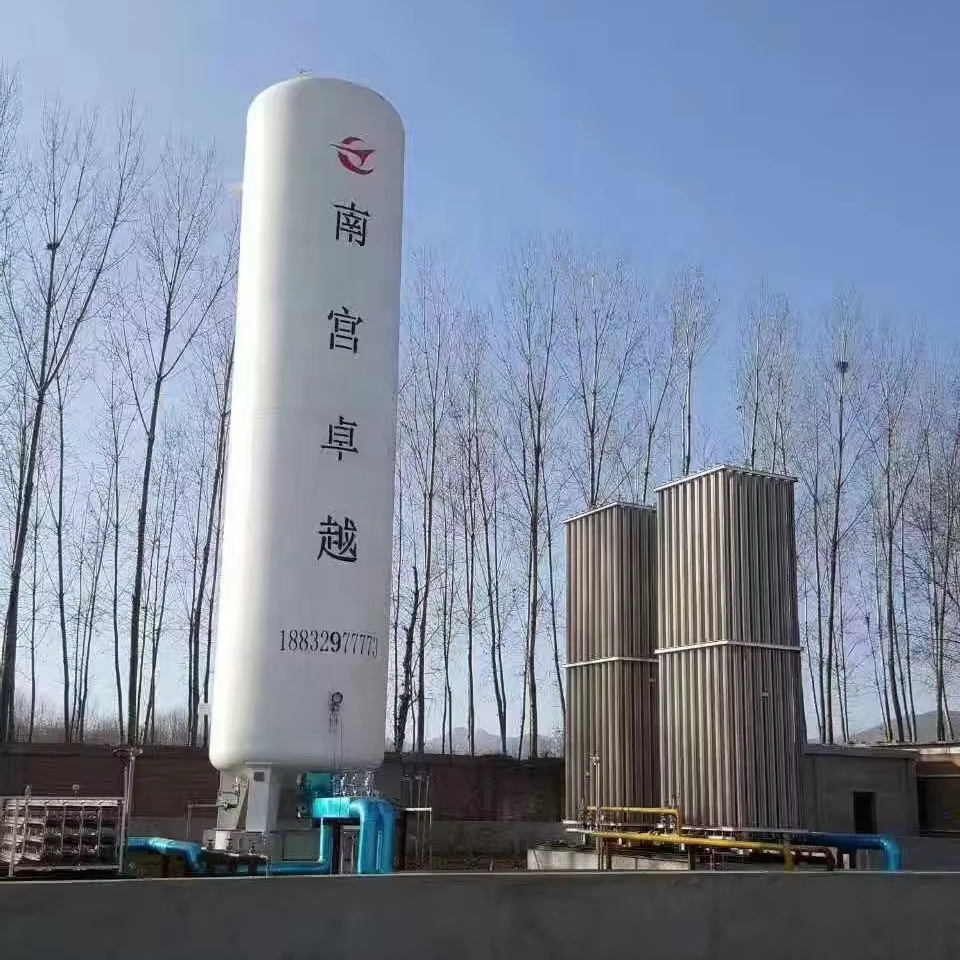
Most large atmospheric low-temperature storage tanks adopt a double-layer flat-bottom structure. The inner and outer layers are filled with pearlescent sand but are not evacuated. The volume of such tanks can reach 2,000 cubic meters or even larger. The operating pressure is maintained within the low-pressure range of 34-40 kPa. The temperature fluctuation during daily operation is slightly larger, usually within ±5°C. They are mainly used for peak load regulation in centralized gas supply stations and large-scale medium storage at urban LNG receiving stations.
For liquid hydrogen, which is extremely sensitive to temperature, the industry uses aluminum alloy as the inner tank material and a multi-layer high-vacuum insulation structure to further reduce heat leakage. Only by doing so can a long-term stable operating environment of -253°C be maintained to avoid safety hazards caused by rapid evaporation of the medium.
Reasonable temperature fluctuations and control logic in actual conditions
Many customers find that the temperature inside the low-temperature storage tank occasionally rises slightly, mistakenly believing that the equipment has malfunctioned. In fact, under a compliant operation process, the operating temperature of the low-temperature storage tank is allowed to have a reasonable fluctuation range.
Normally, a qualified new low-temperature storage tank will have the tank temperature drop to the corresponding standard operating temperature of the medium within 24 hours after filling and cooling. It will then remain stable around this benchmark value for a long time. If the temperature rises slowly during daily operation, as long as the temperature increase within 24 hours does not exceed 3°C, it is a normal phenomenon. It is mostly caused by changes in ambient temperature and a small amount of heat penetrating through the interlayer.
However, if the temperature inside the tank rises rapidly within a short period of time and the exhaust volume from the evaporation port increases significantly, it is necessary to immediately investigate the problem: It is likely that the vacuum degree of the interlayer has decreased, and the insulation performance has failed. At this time, it is necessary to stop the machine in time, replenish the pearlescent sand, and re-evacuate the vacuum to avoid the continuous increase in temperature causing the pressure inside the tank to exceed the limit and triggering the frequent activation of the safety relief valve.
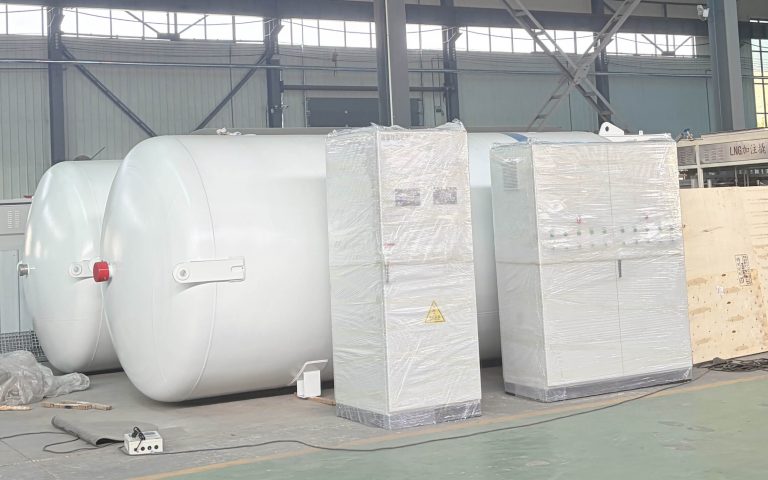
To ensure the long-term stability of the operating temperature, modern low-temperature storage tanks are now equipped with IoT monitoring modules, which can collect real-time temperature and pressure data in the tank 24/7. Once the temperature exceeds the preset safety range, the system will automatically send an early warning message to the operation personnel, eliminating the potential safety hazard of abnormal temperature.
Temperature-related considerations in selection and operation
During the procurement and use of low-temperature storage tanks, there are several details that are easily overlooked but directly affect the service life and safety of the equipment.
The first is material compatibility. For storage tanks for -196°C LNG media, the inner tank must be made of 9% nickel steel. Ordinary austenitic stainless steel cannot withstand the cold contraction stress in this temperature range for a long time and is prone to brittle fracture. The second is the basic anti-freezing design. The operating temperature of large low-temperature storage tanks is extremely low. If the bottom foundation does not have an elevated insulation or pre-installed heating system, it is easy to cause soil frost heave and bulging, directly damaging the bottom structure of the storage tank. This is a common pitfall in many overseas engineering projects.
In addition, during daily operation, it is absolutely not allowed to weld and repair the inner tank of the low-temperature storage tank without completely warming up to normal temperature. The large temperature difference stress will directly cause the tank to deform, leaving irreversible safety hazards.
Many customers when purchasing cryogenic storage tanks often only focus on volume and price, but ignore the design redundancy and long-term stability of the operating temperature. In fact, a storage tank with qualified temperature control accuracy and stable evaporation rate can save much more in medium loss costs over a 5 to 10-year usage period than the initial purchase price. If your team is planning a low-temperature gas storage project, the technical team of Zhuoyue Gas Equipment can provide corresponding temperature control solutions and equipment selection suggestions based on your specific storage medium, site environment, and usage requirements.