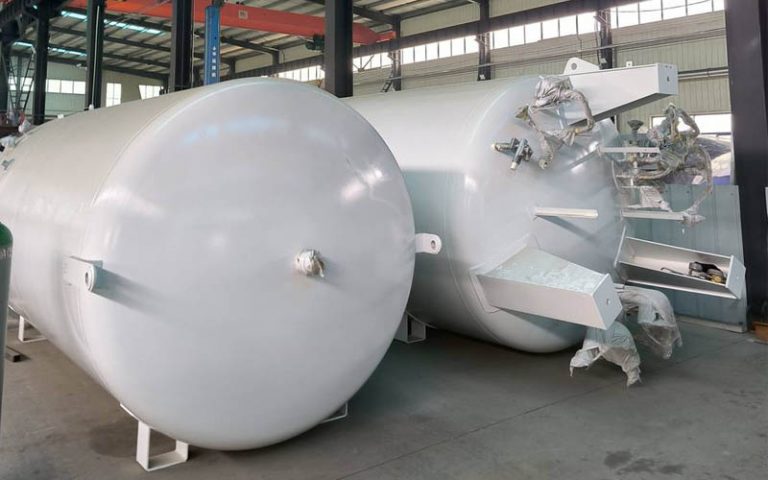
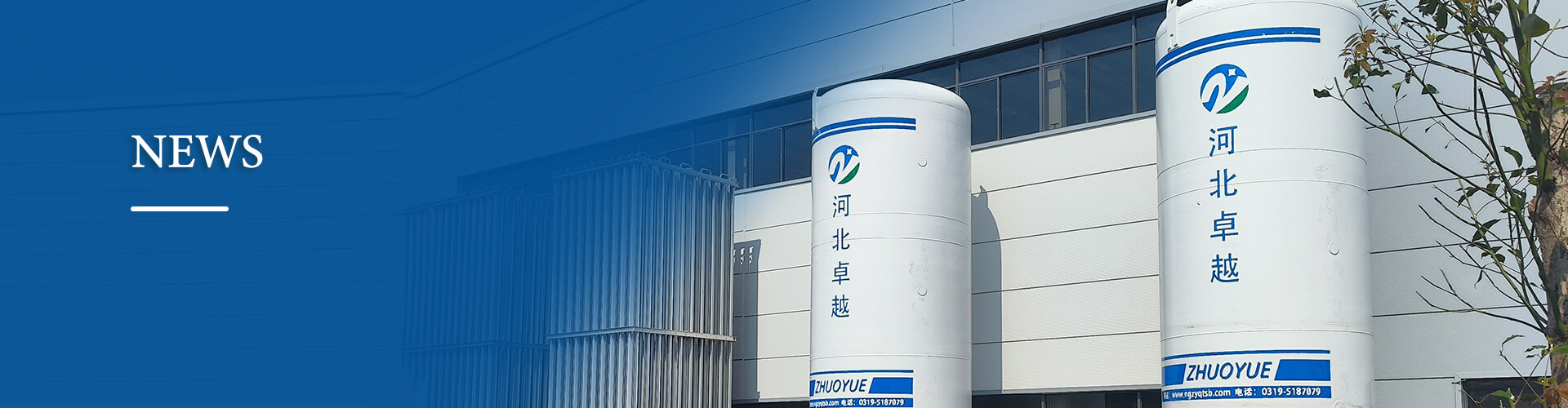
For users in industries such as metal processing, photovoltaic semiconductors, and research laboratories, liquid argon storage tanks are the core equipment that ensures the stable storage of cryogenic inert gases. Unlike ordinary industrial storage tanks, the extremely low temperature characteristics of liquid argon and the strict requirements of application scenarios determine that when purchasing, one cannot only focus on price parameters. Even a slight oversight may lead to a decrease in the purity of the medium, leakage of cold gas in the tank, or even safety hazards. Many enterprises only pay attention to the volume and quotation when purchasing, but after putting it into use, they realize that the daily evaporation rate is too high, the adaptability is poor, and the subsequent operation and maintenance costs are much higher than the budget saved initially. Nowadays, based on our on-site service experience in the cryogenic equipment industry, we have identified the five most crucial core factors to consider when purchasing liquid argon storage tanks, helping you avoid making wrong choices and selecting equipment that suits your working conditions and is cost-effective.
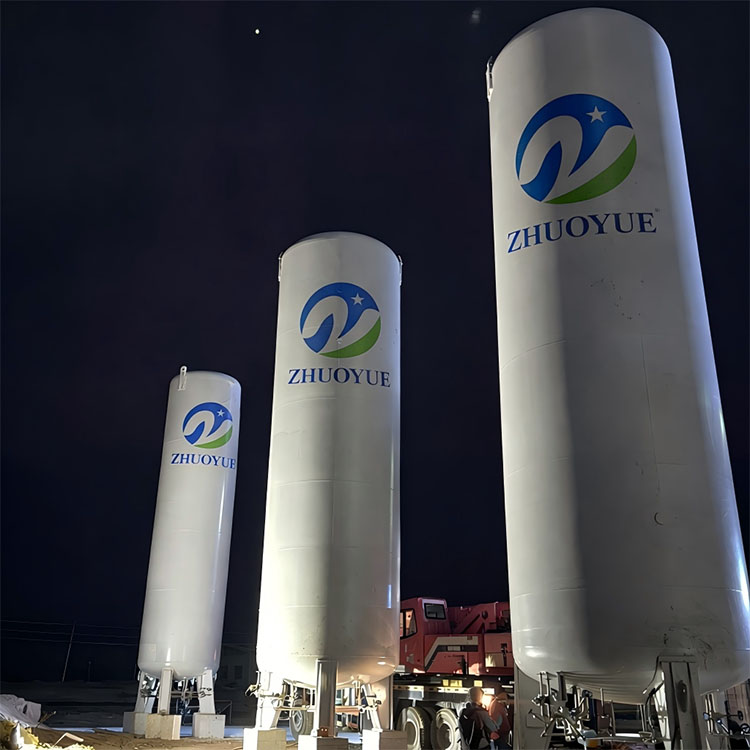
1.The material of the inner container and the cleanliness treatment directly determine the quality of the medium storage.
Liquid argon is commonly used in semiconductor manufacturing, high-end metal welding, food preservation and other scenarios where the purity of the gas is extremely demanding. The selection of the inner tank material and the pre-treatment process are the first hurdles. A properly qualified liquid argon storage tank inner liner must be made of high-purity austenitic stainless steel and cannot be replaced by ordinary carbon steel or low-grade stainless steel. More importantly, the inner wall of the liner must undergo a complete process of degreasing, passivation, and oil-free purging, with the inner wall roughness controlled within the standard range. This ensures that metal impurities and oil stains do not precipitate and contaminate the liquid argon from the source. Many low-priced competing products omit the passivation and oil-free purging steps to reduce costs. Once put into use, they will not only cause the purity of the liquid argon to rapidly decrease, but also may leave hidden corrosion hazards on the inner wall, shortening the service life of the tank. If it is used in ultra-clean scenarios such as medical freezing and semiconductor chip production, it is also necessary to confirm that the manufacturer provides an inner wall cleanliness test report to avoid problems with product yield reduction in subsequent production stages.
2.The design of insulation structure directly affects the long-term energy consumption.
The boiling point of liquid argon is as low as -185.7℃. The insulation performance of the storage tank is the core for controlling the daily evaporation rate and is also the key factor determining the long-term operation and maintenance costs. Currently, the mainstream liquid argon storage tanks on the market are divided into two types of insulation structures: one is a vacuum powder insulation structure, where the double-layer cylindrical shell is filled with expanded perlite and is equipped with specially treated adsorbents and evacuated to a high vacuum. This structure has excellent insulation effect and a very low daily evaporation rate, making it more suitable for small and medium-sized volume, indoor or semi-indoor usage scenarios; the other is a normal pressure powder insulation structure, where the shell is filled with dry nitrogen to maintain positive pressure. It is suitable for large-capacity storage tanks of 200 cubic meters or more and is mostly used in liquid argon centralized supply stations. When purchasing, do not only rely on the manufacturer’s oral promotion of the insulation effect. You should clearly require the other party to provide a third-party evaporation rate test report and combine your own gas consumption to calculate the loss cost. Take a practical example, for a 10-cubic-meter liquid argon storage tank, if the daily evaporation rate is reduced from 3% to 1%, it can save nearly a hundred bottles of liquid argon loss in a year, and the accumulated cost difference is very considerable.
3.Safety attachments and compliance qualifications, to avoid subsequent operational risks
Liquid argon is a cryogenic inert medium. However, if it leaks, it will quickly displace the surrounding oxygen, posing a risk of asphyxiation. Moreover, contact of the extremely cryogenic liquid with the human body can lead to severe frostbite. It does not directly cause combustion or explosion by itself. Therefore, the configuration of safety accessories must not be reduced. The safety valve, pressure gauge, and liquid level gauge of the regular liquid argon storage tank must all be selected with dedicated models suitable for cryogenic conditions. The sealing materials should use modified polytetrafluoroethylene with cryogenic resistance, and ordinary oil-containing rubber parts must not be used as substitutes. All pipelines should use seamless stainless steel pipe fittings, and complete full-oil blow cleaning before leaving the factory to avoid residual impurities blocking the pipelines. More importantly, in the qualification verification process, liquid argon storage tanks are classified as special equipment. Before purchasing, it is necessary to confirm that the manufacturer has the corresponding pressure vessel design and manufacturing licenses. Products from unqualified small factories should be rejected, and ordinary industrial storage tanks cannot be modified and used as substitutes. After the equipment is installed and put into use, it must be able to smoothly pass the acceptance inspection of the local special equipment regulatory department and obtain the legal use qualification to avoid compliance issues in subsequent safety supervision inspections.
4.Operational compatibility, tailored to your actual usage scenarios
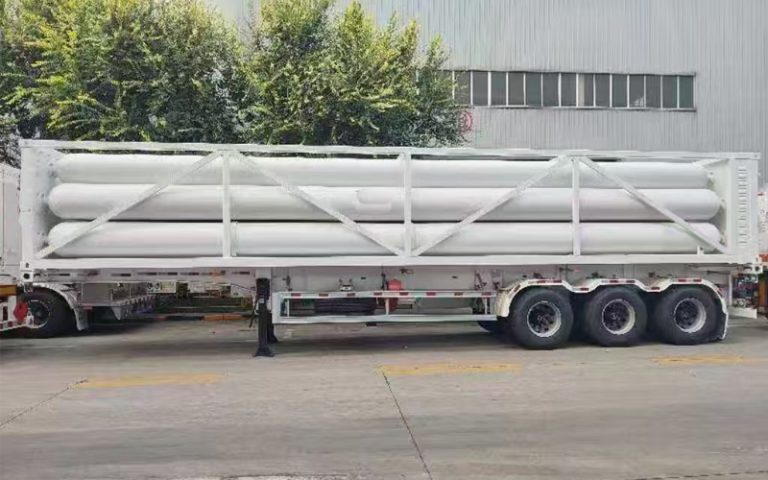
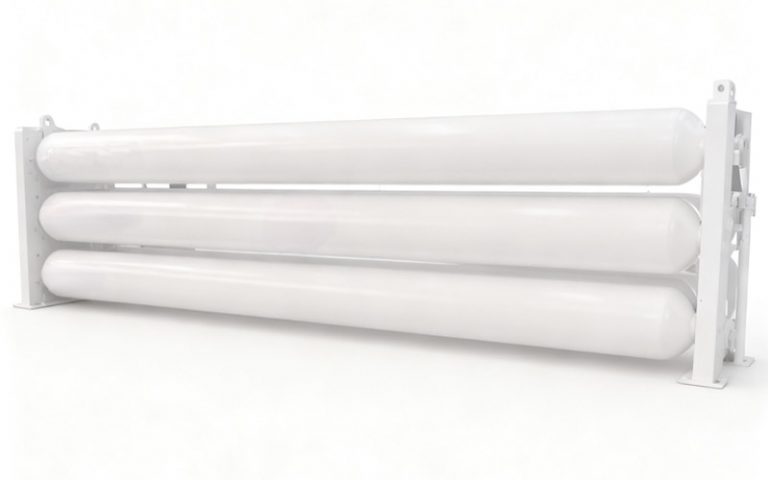
The usage scenarios of liquid argon in different industries vary greatly, and there is no single universal storage tank that can meet all requirements. If a factory’s centralized gas supply station uses it on a long-term and fixed basis, a vertical fixed storage tank should be chosen, along with a matching gasification and pressure regulation device, to achieve stable and continuous gas supply. If liquid argon needs to be frequently moved and transferred, a frame-type tank container or a dedicated transportation-type storage tank should be selected. The structural strength and anti-shake design must comply with road transportation safety standards. For scenarios with small gas consumption such as university laboratories or small welding workshops, small-capacity portable or carryable liquid nitrogen tank-type liquid argon storage equipment will be more flexible and convenient. The conditions of the placement area should be confirmed in advance. Liquid argon storage tanks with a capacity exceeding 10 cubic meters are not suitable for indoor placement. The temperature of the storage tank room is preferably not more than 30℃, and it should also be kept away from heat sources and direct sunlight. Adequate ventilation space should also be left around. If necessary, a gas leakage alarm device should be configured, and early warning and protection against asphyxiation risks should be done in advance.
5.Full lifecycle operation and maintenance services, reducing long-term usage costs
Many users only compare the initial purchase price when making a purchase, ignoring the subsequent maintenance service costs. When problems such as vacuum loss and valve leakage occur in the tank, they cannot find the original factory for technical support and can only spend a lot of money to have a third-party institution come and handle the issue. Before purchasing, it is necessary to confirm in advance what supporting services the manufacturer can provide: whether it includes on-site installation and commissioning, operation training for operators, whether it can provide regular supporting services such as vacuum detection and safety accessory calibration, and whether the supply cycle of easily damaged parts is controllable. Regular cryogenic equipment manufacturers will also provide complete operation instructions, including standardized procedures for pre-cooling, filling, pressurization, and discharge of the storage tank, helping you establish a daily inspection system, regularly checking for valve and pipeline leakage, and whether the instrument readings are normal, to avoid common hazards such as overpressure operation and pipeline blockage. High-quality maintenance services can extend the service life of a qualified liquid argon storage tank by more than 30%, significantly reducing the overall life cycle usage cost.
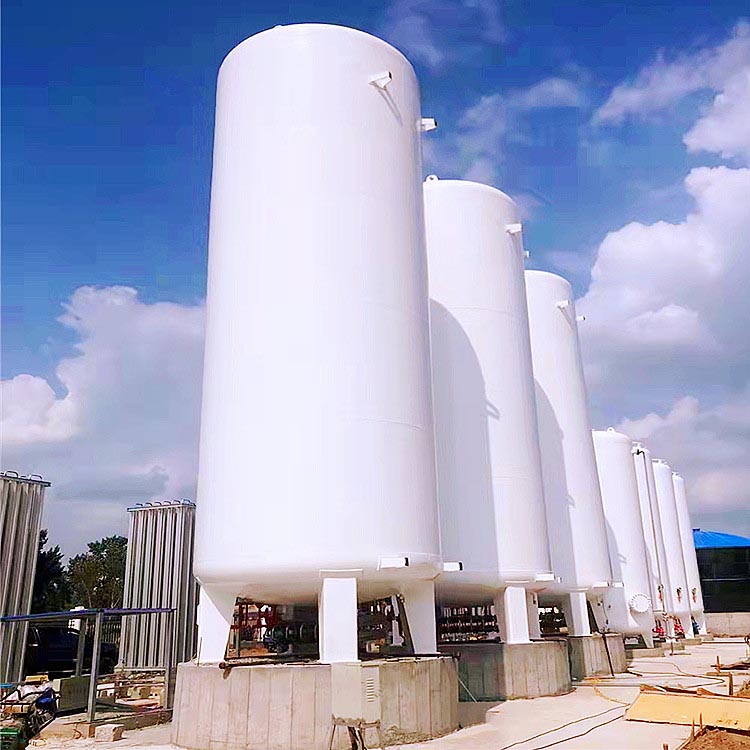
In summary, the procurement of liquid argon storage tanks is not a simple matter of “pricing based on volume”, but rather a comprehensive decision that takes into account one’s own operating conditions, compliance requirements, and long-term operation and maintenance costs. By avoiding the trap of low prices and incorporating the above five core factors into every detail of the selection process, one can select a stable, safe, and low-loss liquid argon storage device to safeguard production and operations. Zhuoyue Gas Equipment specializes in the production of cryogenic liquid argon storage tanks. If you have any other questions, please contact our technicians.