
Introduction: The Core Role of Materials in Cryogenic Containers
Extremely cold liquids, such as liquid nitrogen, liquid oxygen, and liquid hydrogen, can be transported and stored securely in cryogenic containers. Because these containers must endure severe temperature swings, high internal pressures, and thermal stress, material selection is crucial.
Key Properties of Cryogenic Materials
Low-Temperature Toughness: To prevent brittle fracture, materials must maintain their ductility. For instance, austenitic stainless steel retains its hardness at -196°C.
Thermal Stability: By reducing the stress caused by temperature fluctuations, low thermal expansion coefficients stop warping and leaks.
Pressure Resistance: Rapid vaporization of cryogens results in high internal pressure. Materials must be able to sustain these increases without losing their structural integrity.
Corrosion Resistance: Resistant to oxidation and chemical degradation, especially when exposed to reactive cryogens like liquid oxygen.
Cryogen Compatibility: Steer clear of reactions like metal catalyzing hydrogen breakdown that could lead to contamination or material failure.
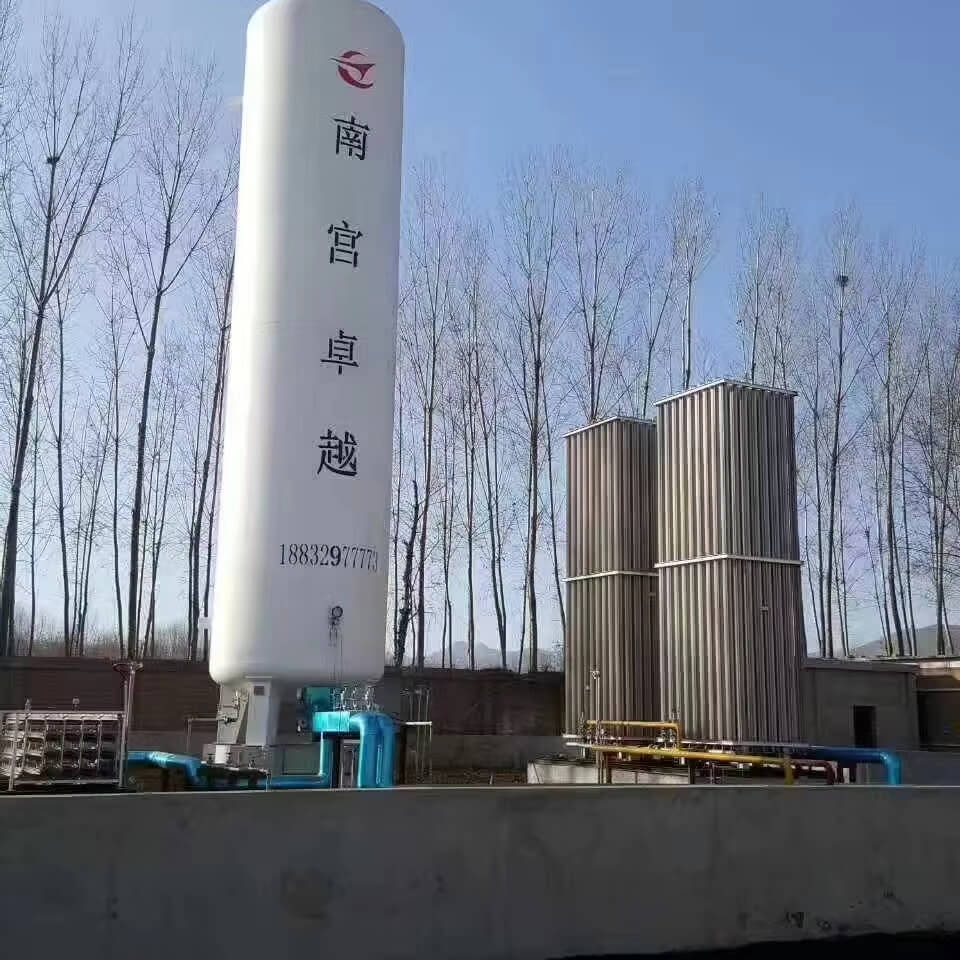
Common Cryogenic Materials
1.Austenitic Stainless Steel (e.g., 304, 316L)
Benefits: Excellent toughness at temperatures as low as -269°C, corrosion resistance, easy fabrication, compliance with ASME/ISO standards.
Applications: Industrial storage of liquid nitrogen and oxygen.
2.Aluminum Alloys (e.g., 6061-T6, 5083)
Benefits: High strength-to-weight ratio (reduces weight by up to 40%), good thermal conductivity.
Limitations: Lower toughness at extreme temperatures than stainless steel; ideal for aerospace and mobile transport.
3.Composite Materials (e.g., Carbon Fiber-Reinforced Polymers)
Benefits: Exceptional strength-to-weight ratio, low thermal conductivity, corrosion resistance.
Innovations: Aluminum-lined, carbon fiber-wrapped vessels withstand 70 MPa pressure and -248.65°C temperatures, critical for hydrogen storage.
4.Copper and Copper Alloys (e.g., Oxygen-Free Copper)
Advantages include resistance to hydrogen embrittlement, high thermal conductivity, and ductility at low temperatures.
Applications: Cryocoolers and superconducting magnet components.
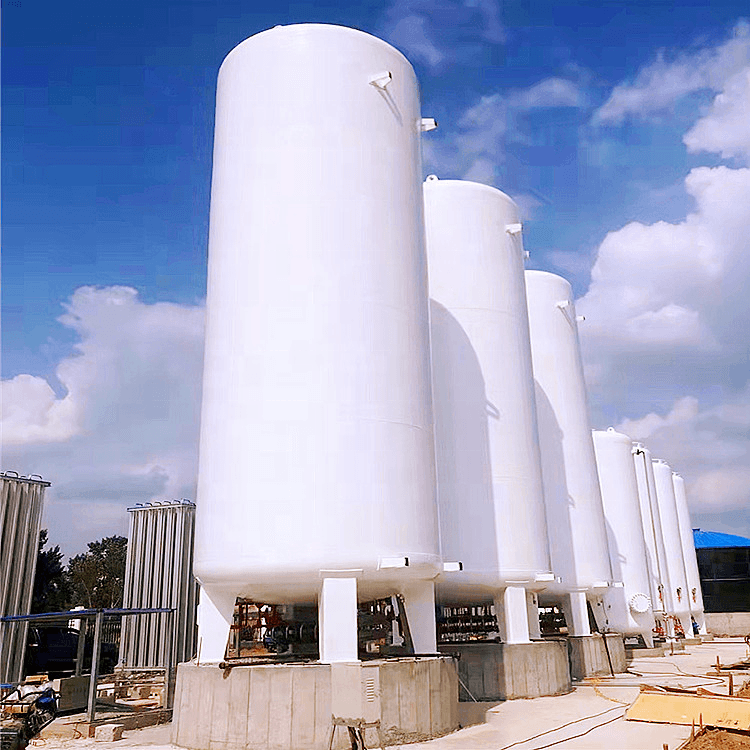
Industry Trends
Composite Materials for Hydrogen Storage: Carbon fiber-wrapped containers are the mainstream for liquid hydrogen transport, improving safety and efficiency.
Smart Materials: In high-risk industries like aircraft and healthcare, self-monitoring materials with sensors improve safety by instantly alerting users to structural irregularities.
Best Practices for Maintenance
Frequent Inspections: Corrosion and cracks are found through visual examinations and non-destructive testing, such as ultrasonic testing.
Proper Handling: Follow manufacturer guidelines to avoid thermal shock and physical damage.
Compliance: To guarantee quality and safety, follow guidelines like ASME BPVC and ISO 21001.
Conclusion
The choice of materials is essential to cryogenic containers’ dependability and safety. You may select the best material for long-term operating efficiency by assessing performance, cost, and compliance and keeping up with industry advancements.
Zhuoyue gas equipment in providing solutions for cryogenic gas equipment. If you have any further questions, please contact us and we will reply to you as soon as possible.