

When selecting a suitable carbon dioxide storage tank, various factors need to be considered, including your industry, specific application requirements, usage volume, as well as the transportation and storage infrastructure.
1.Identify Your Industry Application
Beverage/Hotel Services: Supplying food-grade carbon dioxide is of great importance, as it not only ensures the normal operation of soda machines, beer kegs, and carbonated water systems, but also directly affects the purity and safety of the beverages produced by these equipment, preventing contamination by impurities.
Hydroponics/Indoor Planting: Usually, a stable low-pressure gas needs to continuously flow in to maintain air freshness and promote plant growth.
Medical/Laboratory: Carbon dioxide frequently used in cell culture, incubators, and some very precise scientific instruments must be of high purity (99.99%).
Industrial/Welding: Generally, standard-grade gases are used as protectants, with the aim of avoiding contamination of the protected area and thus affecting the protection effect.
2.Determine Tank Size by Consumption Volume
A water tank with a capacity ranging from 5 pounds to 10 pounds – tanks of this size typically have a smaller capacity and are suitable for users with lower daily water consumption. Common customer groups include small cafes, mobile food trucks, and home coffee enthusiasts, etc. Portable and easy to swap.
20 lb to 50 lb Cylinders: The industry standard for average restaurants, bars, and small indoor grow rooms. They balance high capacity with manual manageability.
Dewar Flasks (Cryogenic): Holds 300 to 500 lbs of liquid CO2. Ideal for large breweries or high-volume kitchens needing continuous gas without frequent swaps.
Large-scale carbon dioxide system:
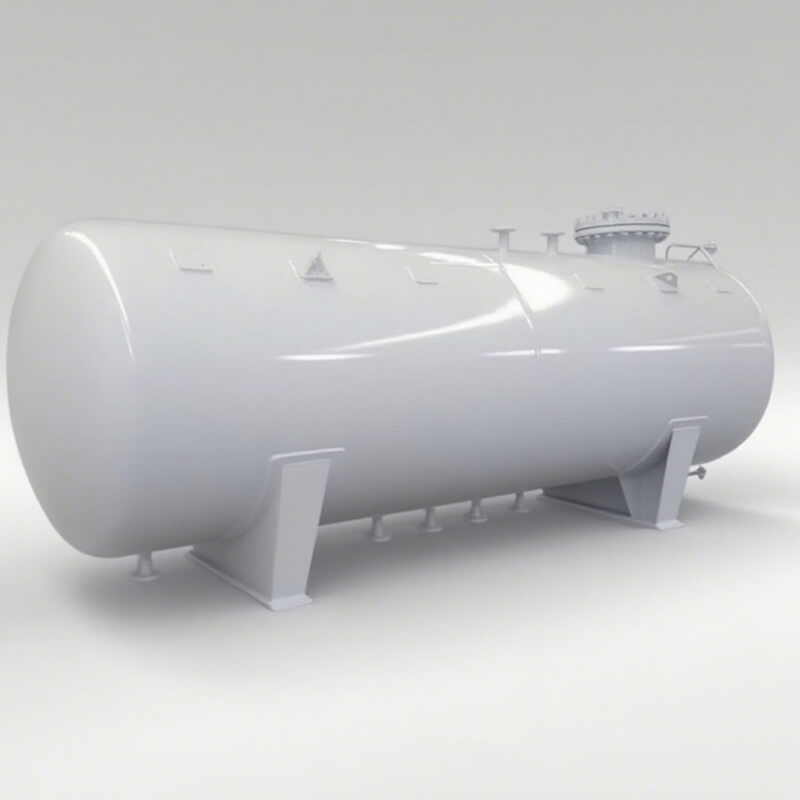
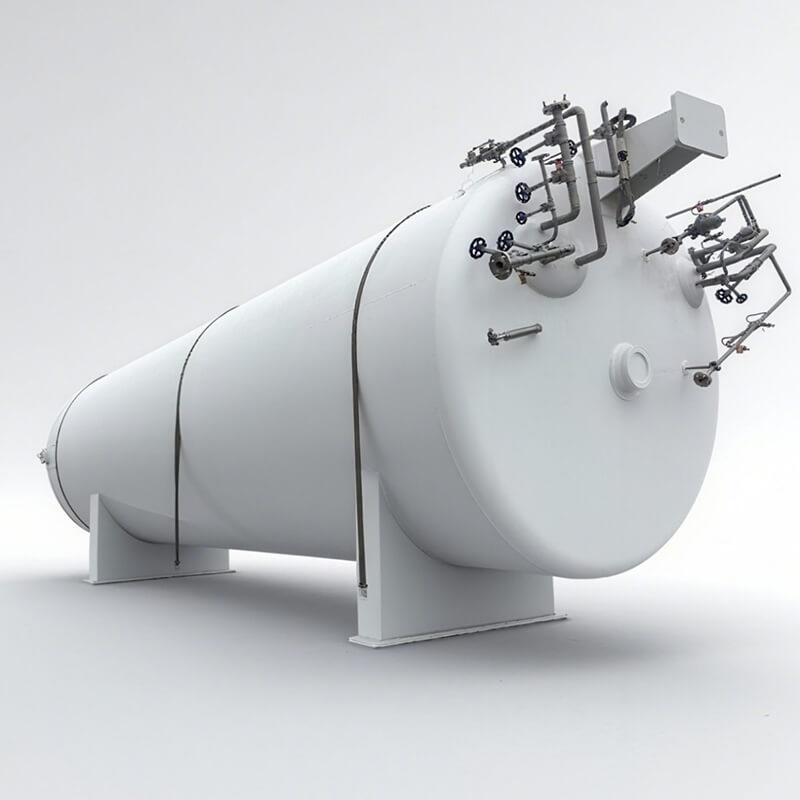
Storage tanks that are stored outdoors or in basements and have a capacity of over 400 pounds of CO2 can be replenished by trucks using hoses. Built for stadiums, fast-food chains, and massive commercial operations.
3.Choose the Material: Aluminum vs. Steel
Aluminum: Lightweight, highly resistant to rust and corrosion, and visually clean. Best for front-of-house beverage stations and damp environments.
Stainless steel: This material is relatively heavy, but it is sturdy and durable, and usually the initial price is relatively low. It is suitable for use in harsh industrial workshop environments or for products installed in warehouses, as the weight is not a significant factor in these places.
4.Verify technical compatibility
Purpose of verification: Firstly, determine whether you will use the carbon dioxide storage tank to extract gas (for beverages and hydroponic systems) or liquid (requiring a siphon tube to fill smaller containers or make dry ice).
Valve specifications: Secondly, confirm whether the valves you purchase for the storage tank comply with the local standards in your area.
Gas replenishment issue: Check the size of the gas tanks stored by the local gas supplier. Select the specifications of the local supplier that are convenient for gas replenishment and gas pipe replacement.