
If you use liquid CO₂ for things like industrial work, maintaining an aquarium, or dispensing drinks, you probably wonder how long it lasts in a tank. There’s no simple answer because it depends on the tank itself, how you use it, and the environment. Knowing these factors helps you plan refills better, avoid wasting CO₂, and keep things running smoothly.
Tank Size and Initial Capacity
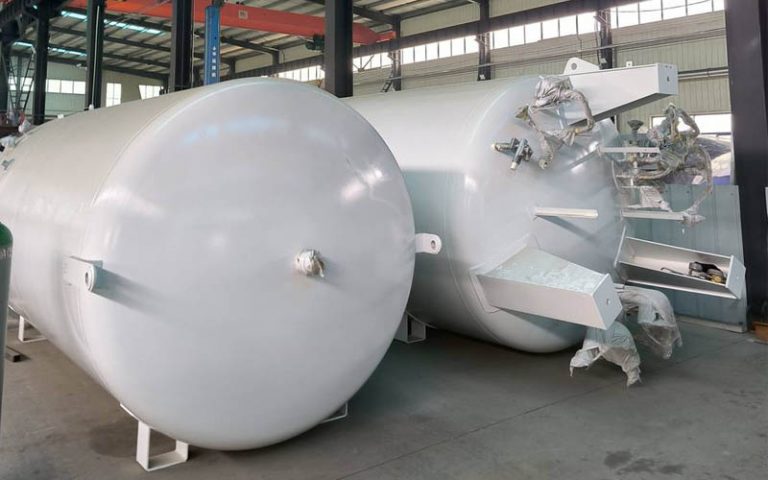
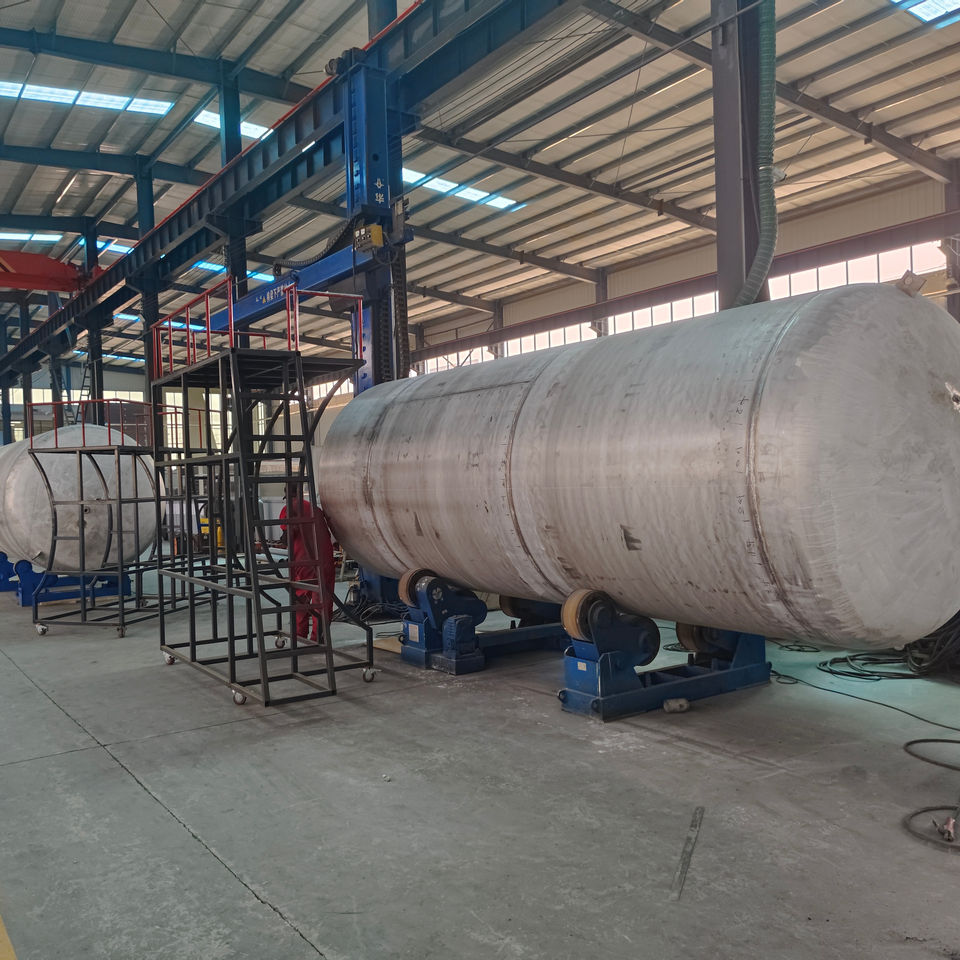
The biggest factor is tank size. Small cartridges, like the 12-gram ones in paintball guns, might only last a few hundred shots. On the other hand, a 50-pound industrial tank can run a big walk-in freezer backup system for about 8 hours when keeping it at -60°C fully loaded. For aquariums, a 2-kilogram tank can support a 180-liter tank with some plants for around 137 days or more, depending on how you use it. Bigger tanks hold more CO₂, but it’s important to pick the right size. Tanks that are too big and not used often can build up unnecessary pressure, while small tanks might need refilling too often.
Usage Rate and Application
What you are doing determines how quickly you use CO2. If the flow is moderate, a 20-pound tank might last eight to ten hours while welding. However, you may need to use 30% more gas to compensate for waste if it is windy or you are welding overhead. Aquariums differ greatly. For example, a 2-liter tank with low light, few plants, and 1 to 2 bubbles every second can last 4 to 5 months. However, a highly sophisticated, extensively planted system that produces three to four bubbles per second may deplete the same tank in roughly three months. A 5-pound tank typically carbonates 6 to 8 full kegs of drinks, however if a commercial refrigerator door is often opened, CO2 can escape, decreasing efficiency
Environmental and Storage Conditions
The duration of liquid CO2 is similarly influenced by temperature and pressure. When CO2 is held under pressure, some of the liquid converts into gas as it warms, increasing the internal pressure. Even if you are not utilizing any CO2, the excess gas vents out when the tank’s pressure exceeds its safety limit, which is typically around 350 psig. For instance, a tank kept in a hot garage may lose one to two percent of its gas every day. This can be slowed down and the tank’s lifespan extended by storing it in cool, well-ventilated areas. Additionally, the condition of the tank is important since leaks from a malfunctioning valve or a rusted or dented tank might gradually release CO2. The tank may be kept safe and leak-free with routine inspections and testing every five to ten years.
Useful Advice to Increase CO2 Lifespan
Zhuoyue Gas Equipment suggests that you make full use of your carbon dioxide storage tank. Ensure that its capacity is suitable for your usage requirements to avoid purchasing more tanks than necessary. To maintain a stable gas supply and prevent gas waste, use a suitable regulator. Use a timer to supply carbon dioxide at regular intervals when the plant needs it (for example, during the light cycle or in the aquarium). The storage tank should be placed in a cool and dry place away from direct sunlight and high temperatures. Check for leaks in the hoses and valves every month. By recording the time of gas replenishment and the usage duration of the tank, you can estimate when more gas is needed to avoid sudden depletion. If you have any other questions, you can consult Zhuoyue Gas Equipment through the website. We will reply to you as soon as possible.