

LNG Vaporization Systems Ambient Air vs. Electric Heating Economics
In the process of building a globally efficient and low-carbon energy infrastructure, the choice between natural ventilation and the use of electric heating systems for liquefied natural gas vaporization has become an extremely important economic and operational decision. As liquefied natural gas plays an increasingly important role in the energy transition, with global imports expected to reach 500 million tons by 2030, businesses seeking to balance costs, reliability, and sustainability must have a thorough understanding of the benefits and drawbacks of these two technologies.
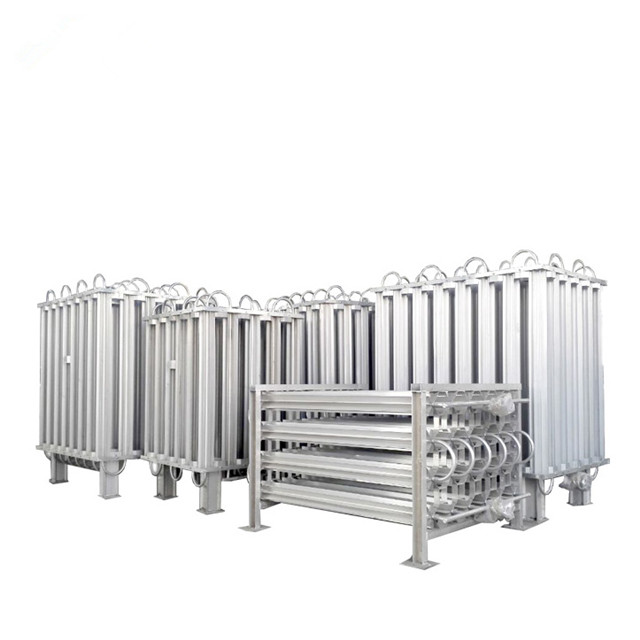
First, let’s introduce the features and advantages of the environmental air evaporator.
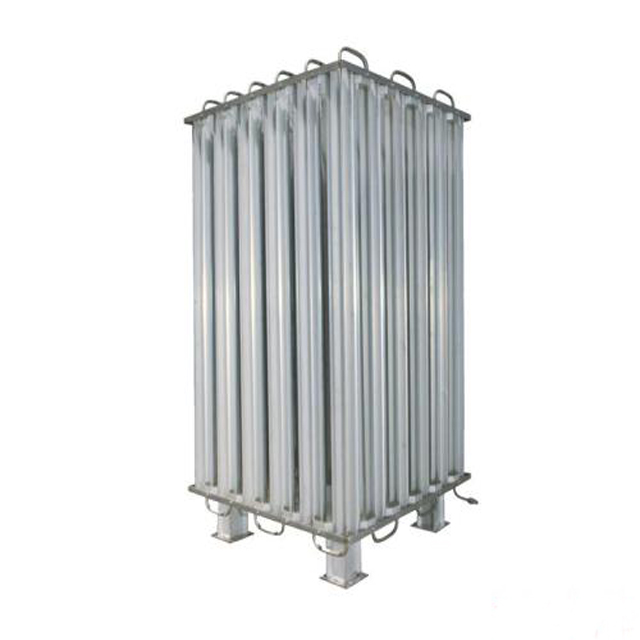
The environmental air evaporator (AAV) adopts a tubular grid structure with fins, which can absorb free heat from the surrounding environment. Therefore, in temperate climate conditions, it is the most economical choice for large terminal facilities. Its modular design allows for phased installation, with an initial investment of approximately $200 to $500 per kilowatt (kW) (ideally, its operating energy consumption is almost zero). However, its application range is mainly dependent on climate conditions: in extremely cold regions (with temperatures below -10℃), the efficiency may decrease by 30% to 50%, necessitating the use of a backup system, which increases the long-term usage cost of the entire equipment. Furthermore, the daily maintenance labor is minimal, consisting only of regular defrosting and cleaning the radiator to avoid frosting, which can limit the heat exchange rate by 20% to 30%.
So, what are the advantages of the electric heating system?
Compared to other heating systems, the electric heating system is not affected by the weather and has stable performance. Therefore, it is very suitable for small facilities, ship applications, or remote areas with reliable power grid access. Although resistive heaters have higher energy consumption, the energy efficiency coefficient (COP) of heat pump heaters is between 2 and 4. This means that for every 1 unit of electricity consumed, 2 to 4 units of heat can be generated. However, its initial cost is 2 to 3 times that of air-source heat pump systems. The cost per kilowatt ranges between $600 and $1500, particularly in places that require power system modifications. The running cost is proportional to the price of electricity: in places with a high prevalence of renewable energy (such as Norway’s hydroelectric grid), the cost can be as low as $0.02 per cubic meter, whereas in areas reliant on coal, the cost rises to $0.08 to $0.12 per cubic meter.
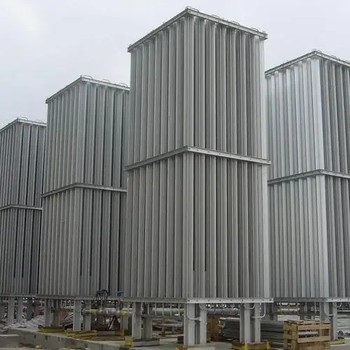
Long-term sustainability has further shaped the economic landscape. Advanced pneumatic vehicles (AAVs) emit nearly no direct emissions, aligning with global decarbonization targets, and can benefit from incentives such as a 30% tax credit under the United States’ Inflation Reduction Act. The carbon footprint of the power system depends on the composition of the grid: a grid powered by coal generates 0.5 to 1.0 kilograms of carbon dioxide for every cubic meter of liquefied natural gas evaporated, while AAVs produce 0.1 to 0.3 kilograms. Additionally, the adoption of liquefied natural gas cold energy recovery technology (such as converting cold energy into electricity or for industrial cooling) can enhance the economic value of these two technologies, reducing the overall energy cost for downstream industries by 30% to 50%.
Ultimately, the best choice depends on specific site factors. For large terminals located in temperate regions, the total cost of ownership of the automatic vaporization unit (AAV) is the lowest, with an investment payback period of 2 to 3 years. For small or harsh sites, the power system may be more reliable, especially when combined with renewable energy. As the liquefied natural gas industry continues to develop, companies that combine modular AAV with backup electric heating and cold energy recovery solutions are likely to achieve the best balance in terms of efficiency, cost, and sustainability.
Zhuoyue gas equipment can provide you with efficient and energy-saving vaporizer solutions based on your usage environment. For custom solutions and quotations, please contact us through our website.