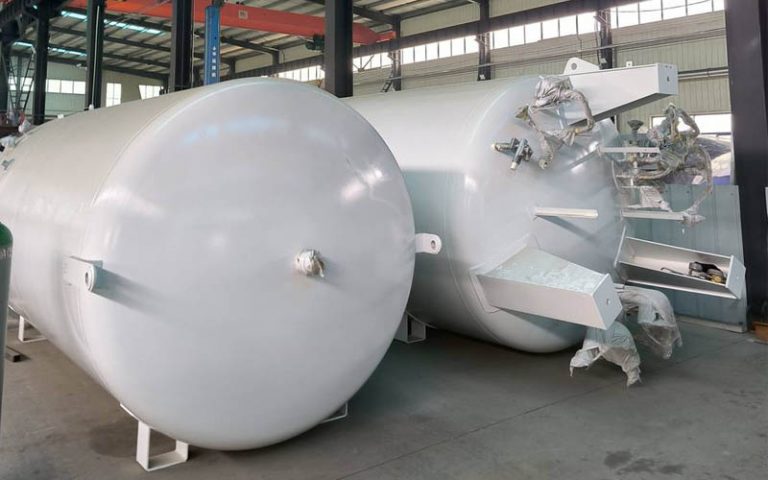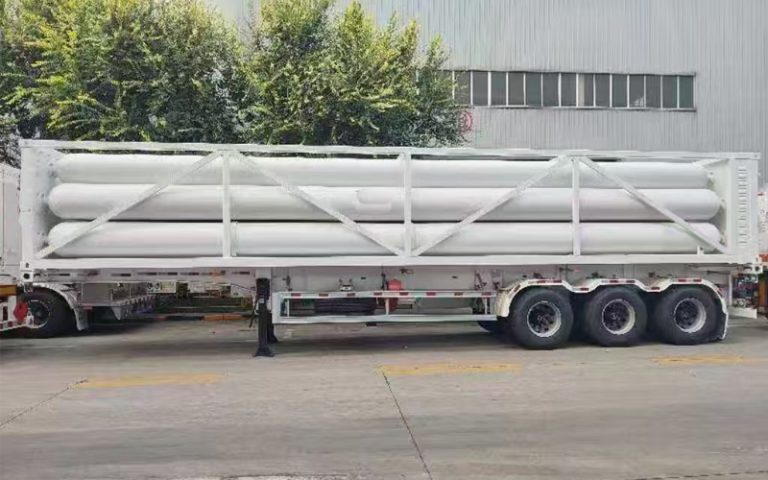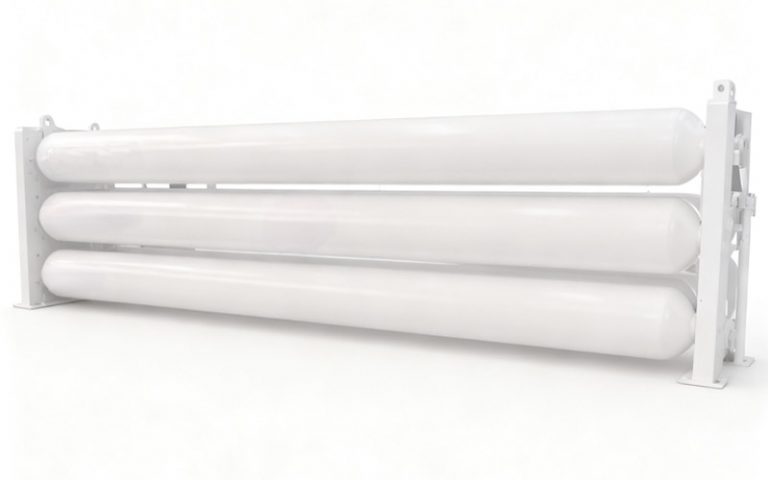


Hello everyone, today I will explain to you the issue of selecting the size of the micro bulk storage tanks. The right size of your micro bulk storage tanks plays a key role in maximizing efficiency, keeping your operations safe and controlling your expenses. If the tanks are insufficient, you will need to replenish them frequently, which is not only inefficient but also affects your production. Oversized tanks will also cause problems as you will be paying for the maintenance of the unused capacity. When sizing your tanks, there are a few things you should keep in mind:
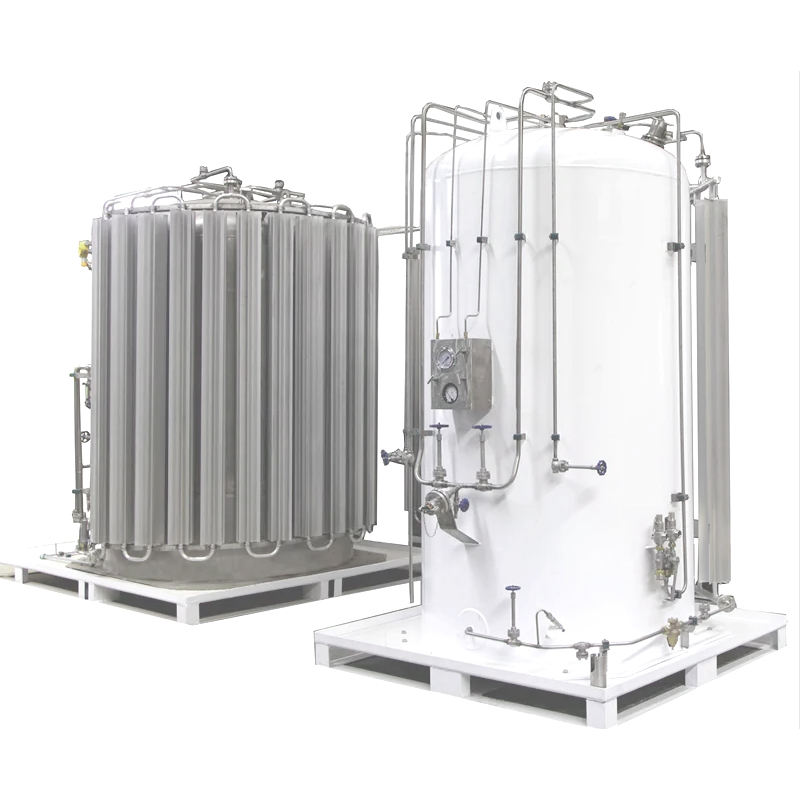
1.Evaluate current gas consumption
Analyze average gas consumption per day, week, and month, also refer to historical bills and peak usage data.
Generally, a monthly consumption of 500-2,000 liters can be selected with a 1,000-2,000 liter tank; 2,000-5,000 liters can be selected with a 3,000-4,000 liter tank; for consumption over 5,000 liters, it is recommended to choose a tank of 5,000 liters or consider a full bulk system.
2.Reserve future growth capacity
Identify how much more gas will be used due to business growth, addition of new equipment, or implementation of new policies within the next 1-3 years. When the forecasted growth rate of demand is at the level of 20-30%, you should select storage tanks with a capacity 10-15% higher than the current demand. This way, you can minimize the problem of having to upgrade the storage facilities again in the short run.
3.Confirm installation space conditions
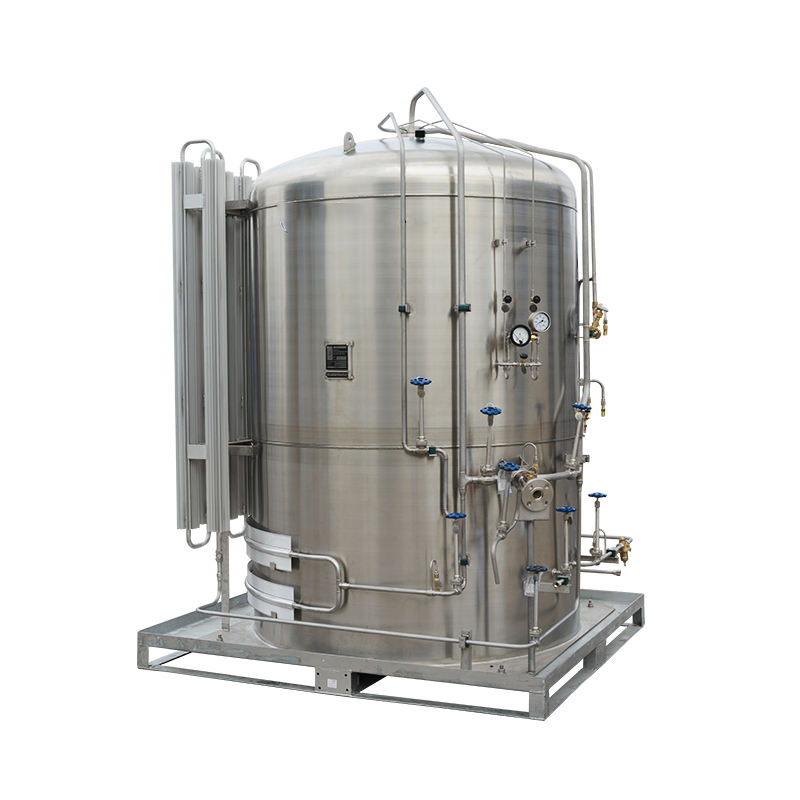
Measure the available site to guarantee that it can fit the required tank size and safety distance, as well as allow access for gas delivery vehicles and maintenance channels. If there is not enough space, vertical tanks or the combination of several small tanks can be chosen.
4.Balance cost and efficiency
The initial investment for large tanks is high, but it reduces the frequency of deliveries, lowers transportation costs, and minimizes the risk of gas interruption. It is better for your wallet in the long term if you take into account the upfront investment, delivery, maintenance, and residual gas loss (micro-dispersed tanks can save 5-10% of gas usage costs).
5.Matching gas properties with storage requirements
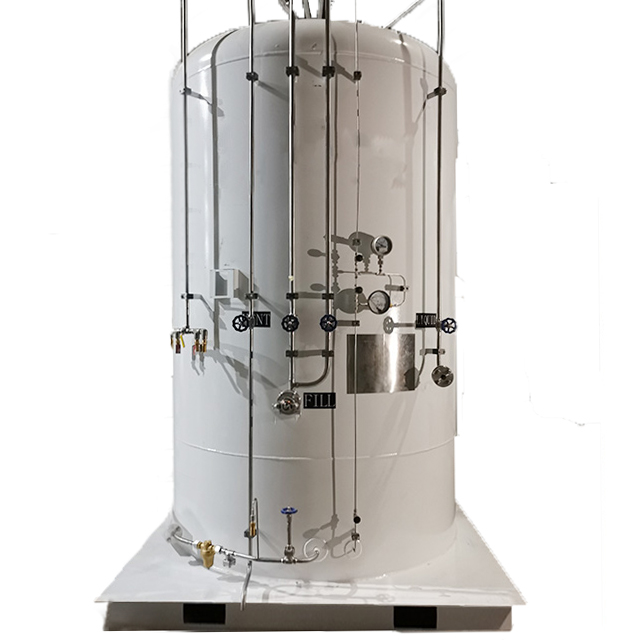
Different types of gases (for example, liquid nitrogen, oxygen, LNG, etc.) have distinct needs when it comes to insulation, pressure, and safety devices.
Ensure that the storage tank has the corresponding insulation performance, pressure resistance level, and safety configuration.
6.Consult professional suppliers
Use suppliers for on-site surveys, cost-benefit analyses, and to get maintenance support and compliance advice. Some even offer trial rentals to reduce the risk of decision-making.
Working tips: Track gas consumption and make necessary changes in time; improve employee training on equipment operation; keep up with regulatory changes to ensure the system remains compliant.
Conclusion
Using microsize dispersion tanks correctly sized will not only help us reduce operating costs and shorten downtime, but they can also support our enterprise sustainability. Zhuoyue Gas Equipment Co., Ltd. recommends that one should carry out a scientific evaluation of the requirements and then make a reasonable plan of the capacity in order to carry out a safe, efficient and cost-effective gas supply.