
Liquid nitrogen storage tanks, as low-temperature storage equipment, are widely used in medical, scientific research and industrial fields. However, improper operation may cause serious accidents, such as frostbite, explosion or asphyxiation risks. This article, in combination with the latest safety regulations, provides you with an original and practical guide for using liquid nitrogen storage tanks to help you avoid potential dangers.
1.Strictly follow the operation manual
Core principle: The operation of liquid nitrogen storage tanks must be carried out in accordance with the instructions provided by the manufacturer. Different models of storage tanks may have specific requirements, such as:
Charging rate limit (usually no more than 80% of the capacity)
Pre-cooling step (to avoid cracking of the tank due to thermal shock)
Usage conditions in special environments (such as ventilation requirements)
Common misconception: Users often neglect the pre-cooling step and directly inject liquid nitrogen, which may cause the tank to crack due to thermal stress.
2.Nitrogen filling process and capacity control
Step-by-step operation
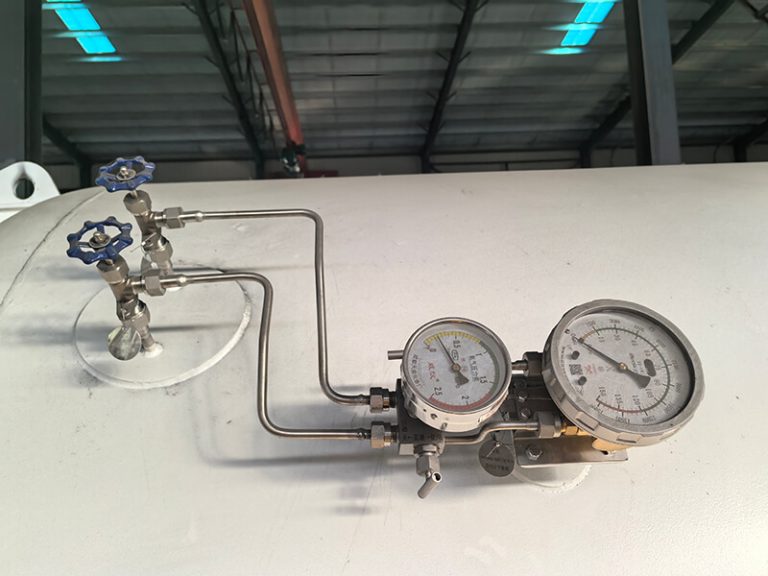
Check the pressure gauge of the storage tank to ensure it is within the safe range (usually 0.1-0.3MPa).
Connect the liquid nitrogen source with a dedicated filling hose to avoid leakage. Fill slowly and observe the liquid level gauge to prevent overfilling (it is recommended to fill to 80% of the capacity).
Capacity management: Overfilling may cause pressure to rise, triggering the safety valve to activate. Too little will increase evaporation loss. For instance, for a 100-liter storage tank, it is ideal to fill it to 80 liters.
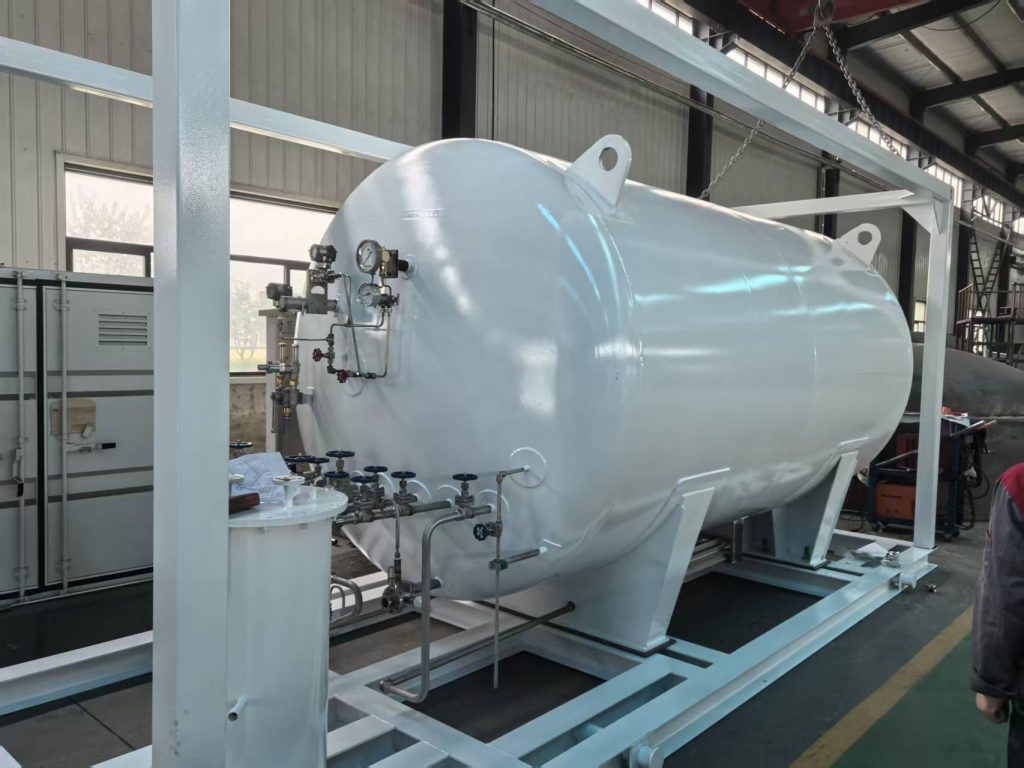
3.Evaporation loss and recovery time
Normal evaporation rate: The evaporation loss of liquid nitrogen storage tanks usually stabilizes within two days. For example:
Ordinary storage tanks: The evaporation rate drops to 0.5% per day within 48 hours
High-quality storage tanks (such as vacuum insulated type) : The evaporation rate drops to 0.2% per day within 12 hours
Optimization suggestion: Choosing high-quality storage tanks can significantly reduce evaporation losses and be more economical for long-term use.
4.Anti-corrosion and coating treatment of the tank body
Anti-corrosion measures
Epoxy zinc-rich primer is used to provide cathodic protection and prevent metal corrosion
Regularly check the integrity of the coating to avoid scratches or peeling
Environmental factors: In environments with high humidity or chemical corrosion, enhanced anti-corrosion treatment is required, such as increasing the coating thickness or using stainless steel materials.
5.Sealing performance and regular inspection
Sealing inspection
Check the sealing ring once a month to ensure it is not aged or deformed. Test the interface with soapy water. The appearance of bubbles indicates leakage
Leakage emergency: Immediately close the valve, ventilate and handle to prevent the accumulation of liquid nitrogen from causing suffocation.
Summary of the entire process of safe operation
- Preparation stage: Inspect the condition of the storage tank to ensure there is no damage or leakage.
- Filling stage: Slowly fill liquid nitrogen, keeping the volume within 80%.
- Usage stage: Monitor evaporation loss and regularly inspect sealing performance.
- Maintenance stage: Anti-corrosion treatment is carried out every quarter, and a comprehensive inspection is conducted once a year.
Frequently Asked Questions
Q: How to deal with leakage in liquid nitrogen storage tanks?
A: Immediately close the valve, ventilate and prevent personnel from entering the leakage area.
Q: How to reduce evaporation losses?
A: Choose high-quality storage tanks, ensure good sealing and avoid frequent opening of the LIDS.
Q: What is the maximum pressure of the liquid nitrogen storage tank?
A: It is usually 0.3MPa. Please refer to the manufacturer’s manual for details.
Conclusion
The safe use of liquid nitrogen storage tanks is related to life and equipment safety. By following the operation manual, controlling the charging capacity, monitoring evaporation loss, strengthening anti-corrosion treatment and regularly checking the sealing performance, the risk can be significantly reduced. For further information on specific operation details, please feel free to consult professional technicians.