Nigeria is the largest oil and gas producer in Africa and possesses one of the world’s richest natural gas reserves – the Niger Delta. In recent years, the country has been rapidly expanding its liquefied natural gas (LNG) industry. With the continuous growth of LNG export scale and the rising domestic energy demand, choosing the appropriate LNG storage tanks has become a core issue affecting project safety, cost, and long-term operation.Combined with Nigeria’s unique geographical climate and current project practice, different types of storage tanks have different adaptability.
Adaptation to local conditions: Key constraints for LNG storage tank selection in Nigeria
Nigeria is located in the Gulf of Guinea in West Africa, with a tropical monsoon climate. It is hot and rainy all year round, with high air humidity and frequent rainfall. At the same time, most of the coastal gas development areas are soft alluvial soil, with poor geological bearing capacity, and some areas are also threatened by coastal erosion. These natural conditions put forward three core requirements for LNG storage tanks:
First, it needs excellent heat insulation and corrosion resistance to cope with high temperature and high humidity environment, reduce the evaporation of liquefied natural gas;
Second, the foundation design needs to adapt to soft geological conditions to ensure long-term structural stability;
Third, it needs to match the local large-scale LNG export demand, and have large-volume storage capacity to reduce transportation and storage costs.
Mainstream LNG storage tank types and their adaptability in Nigeria
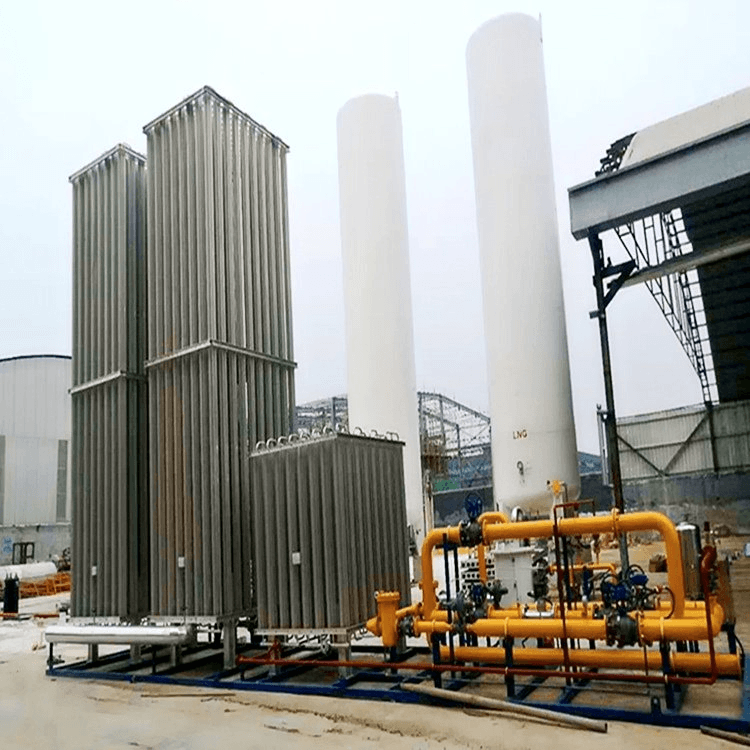
At present, the LNG storage tanks that can adapt to Nigeria’s market demand mainly include three types, each of which has its own applicable scenarios:
Full-capacity cryogenic storage tanks
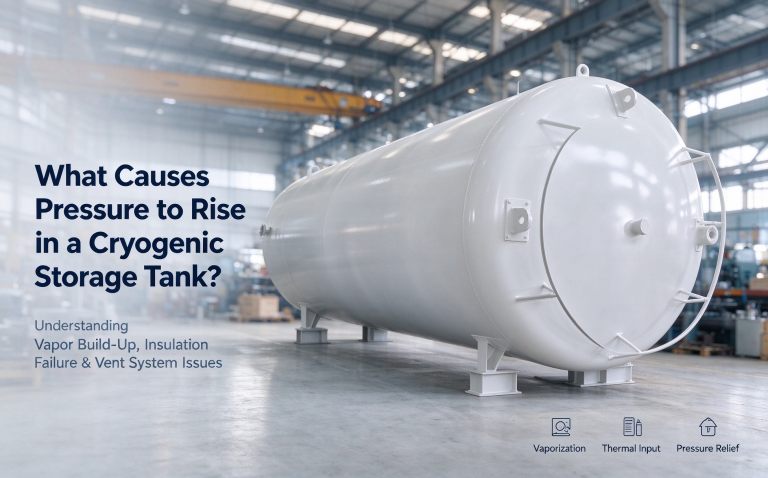
Full-capacity cryogenic storage tanks are currently the first choice for large-scale LNG export projects in Nigeria. This kind of storage tank generally adopts the double-layer structure of inner stainless steel and outer reinforced concrete, which has extremely high safety and can adapt to the harsh climate and geological conditions of coastal areas. The PLF-LNG project currently under construction in Nigeria is the largest and the first in Africa to build a low-temperature liquefied natural gas storage facility using membrane storage technology. The supporting structure of this project adopted the bored pile foundation technology, with the foundation drilling depth reaching 56.9 meters. It successfully overcame the challenge of weak ground and effectively verified the successful application of membrane storage technology in Nigeria.At present, large-scale LNG terminals and export bases in Bonny Island and other places all adopt this type of storage tank, which can meet the demand of 100,000 to 200,000 cubic meters of large-capacity storage, and is in line with Nigeria’s development orientation as an LNG export country.
Vertical and horizontal small and medium-sized cryogenic storage tanks
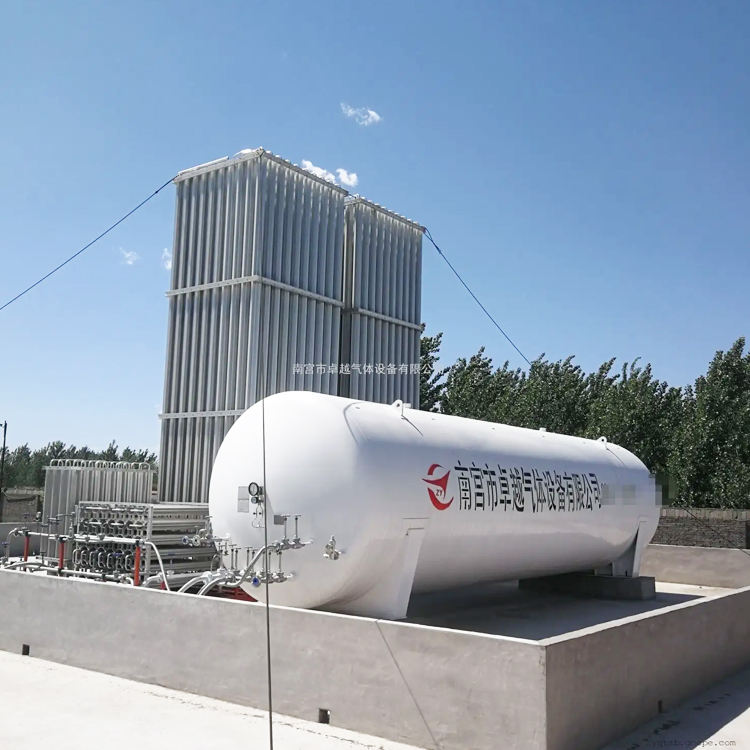
For small and medium-sized application scenarios such as urban peak shaving, local gas supply and automobile refueling stations, small and medium-sized vertical and horizontal cryogenic storage tanks below 320 cubic meters are more suitable. This type of gas storage tank not only occupies a small space and is easy to be flexibly arranged, but also has a low cost, which can meet the scattered natural gas demands in the central-western region of Nigeria. Moreover, this mature standardized product has a short construction period and can quickly fill the gap in Nigeria’s natural gas infrastructure.
Full steel full containment storage tanks
Full steel full containment storage tanks are another alternative that has been verified in Nigeria’s early LNG expansion projects. This type of storage tank has a short construction period and high modular degree, and is suitable for small and medium-sized LNG expansion projects with limited site. Its all-steel structure is more adaptable to high humidity and corrosive coastal environment, and later maintenance is more convenient.
Summary
In summary, regarding Nigeria’s current operational model in the liquefied natural gas sector, large-capacity cryogenic storage tanks with full capacity are the best choice for large-scale LNG export terminals, while small and medium-sized vertical and horizontal cryogenic storage tanks are more suitable for domestic decentralized gas supply needs. Additionally, fully steel-sealed storage tanks provide a feasible solution for expansion plans.
With the widespread application of LNG storage tanks, large-scale cryogenic gas storage tanks independently developed and constructed by Chinese enterprises have been put into operation one after another. Zhuoyue Gas Equipment, deeply engaged in the field of cryogenic gas, has joined hands to assist Nigeria in optimizing its energy structure and unlocking the potential of natural gas resources.