For those engaged in low-temperature gas engineering, they have probably encountered this situation: the project location is remote, there is no pipeline gas, and one does not want to build a fixed refueling station. At this point, the manufacturer will recommend you to take a look at the CNG tubular skid-mounted equipment. In essence, it is a set of high-pressure steel pipes welded onto a steel plate, along with pressure regulating and safety valves. When the equipment arrives at the site and is successfully installed, it can be used. It may seem simple, but there are actually many details that need to be paid attention to.
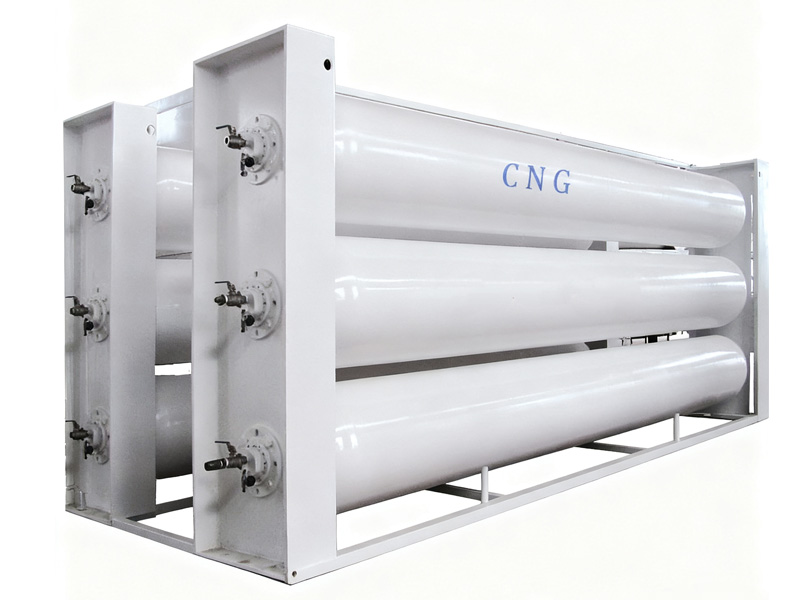
Ⅰ. First of all, you need to understand its appearance.
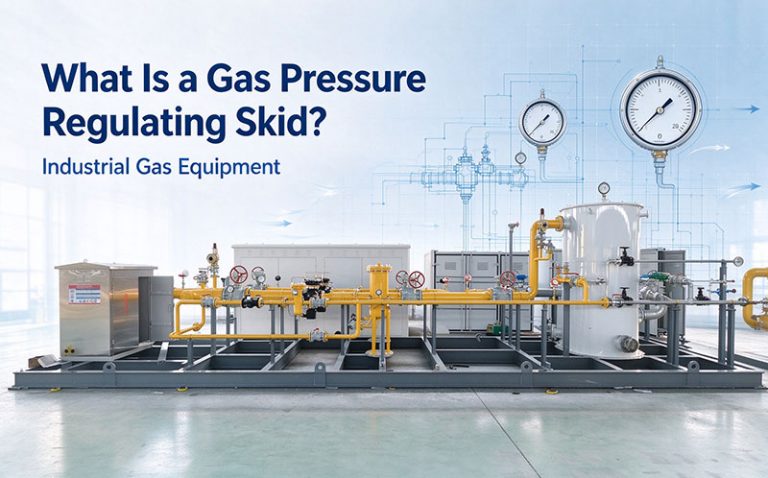
The base is a frame welded with channel steel or square pipe. Several small-diameter seamless steel pipes are fixed side by side on it. Commonly, there are two specifications: 12 pipes and 16 pipes. The pipe walls are thin but have high pressure resistance. They are wrapped with a layer of PVC for rust prevention. The key components – manifold, pressure reducing valve, pressure gauge, and safety valve – are all installed in the factory. When you receive it, it is a complete unit. There is no need to weld a bunch of things on-site. For construction sites in a rush, this is very practical.
II. How does the gas flow out of the pipes
The main station fills the gas in, and the pressure inside the pipes can reach 20 megapascals. Open the main valve. The gas first passes through the manifold pipe and then enters the first stage pressure reducer. The pressure will slightly decrease. At the second stage, it will be adjusted to the actual available pressure for the boiler or burner. If the downstream suddenly expands, the pressure reducer will automatically adjust and the outlet pressure will not fluctuate randomly. The entire logic is three steps: store high pressure, reduce pressure twice, and keep sending out. The operator just needs to monitor the pressure gauge, and there is no need to keep turning the valve.
III. Be extra cautious in cold areas
Those in this industry know that in the north, temperatures as low as minus 30 degrees Celsius are not uncommon. Ordinary sealing rings freeze and become hard, the diaphragm in the pressure regulator reacts slowly, and if there is some water vapor in the pipe, freezing and blockage of the pipe may occur. Therefore, for skid-mounted equipment specifically designed for low-temperature projects, the valves are made of materials resistant to low temperatures, the key pipe sections are equipped with electric heating, and the gas needs to be dried before filling. The factory has welded all the parts that can be welded, there are few on-site interfaces, and the number of cold leakage points is naturally also small, and the debugging is much faster.
IV. Don’t skimp on safety
Every piece of equipment comes with an overpressure relief device – in case one of the pipes gets too hot due to the sun, it will relieve the pressure without exploding. There is a flame arrestor at the outlet to prevent backfire. The emergency shut-off valve can be operated on-site or remotely controlled. Before leaving the factory, both water pressure and air tightness tests must be passed. When purchasing, ask the supplier to unfold the inspection report and don’t just listen to them say “qualified”. Make sure to understand the local mandatory standards in the contract.
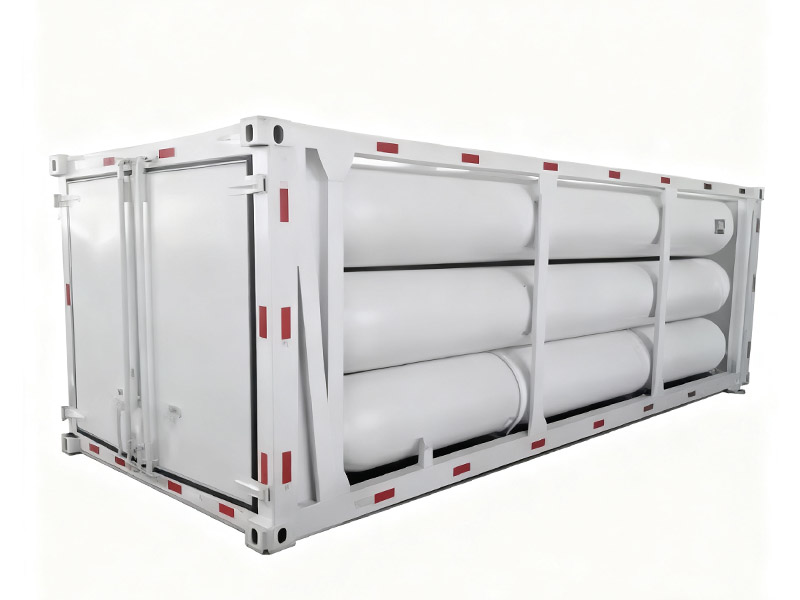
V. How to choose won’t cost you anything
First, calculate the daily usage and then determine the number of pipes. If there are too few pipes, you will have to go to the main station to refill gas frequently, causing delays; if there are too many pipes, you will waste money. The size of the site, the thickness of the interface, the required outlet pressure, all these are clearly discussed with the manufacturer in advance. For cold zone projects, the heating power and insulation thickness in the agreement must be written down in black and white. One point that is easily overlooked – find a supplier with a reliable delivery schedule and who can arrive on site quickly when problems occur. When the equipment is stuck in the middle of the night, you will know that the money saved by a little bit is not worth it.
In summary, the CNG tubular skid-mounted equipment is not a high-tech product, but it packages “storage of gas, pressure reduction, and safe transportation” into a ready-to-use module. As long as you clearly explain the working conditions to the manufacturer in advance, you will have much less trouble later.
If you have any further questions, please contact Zhuoyue Gas Equipment. We will provide you with customized solutions.