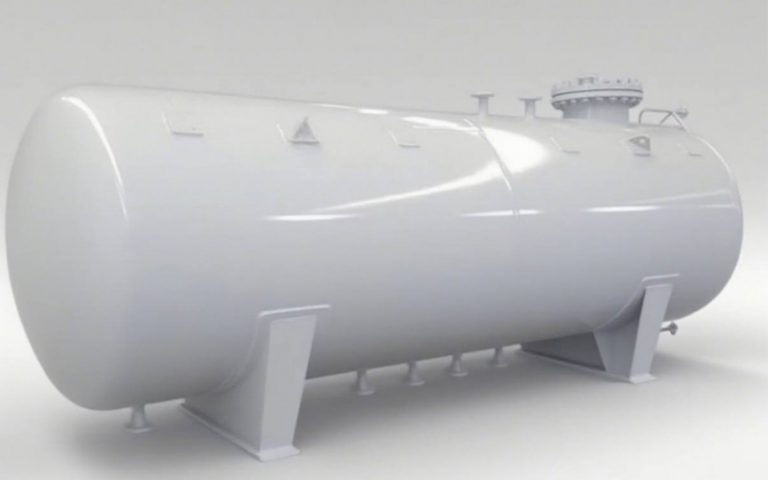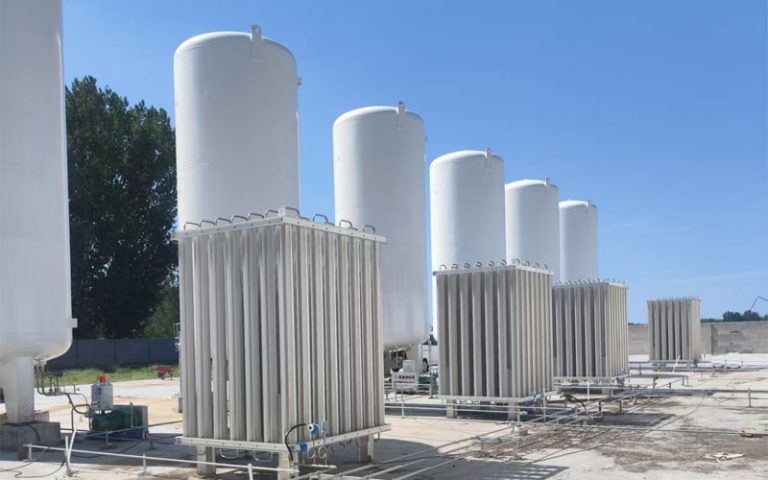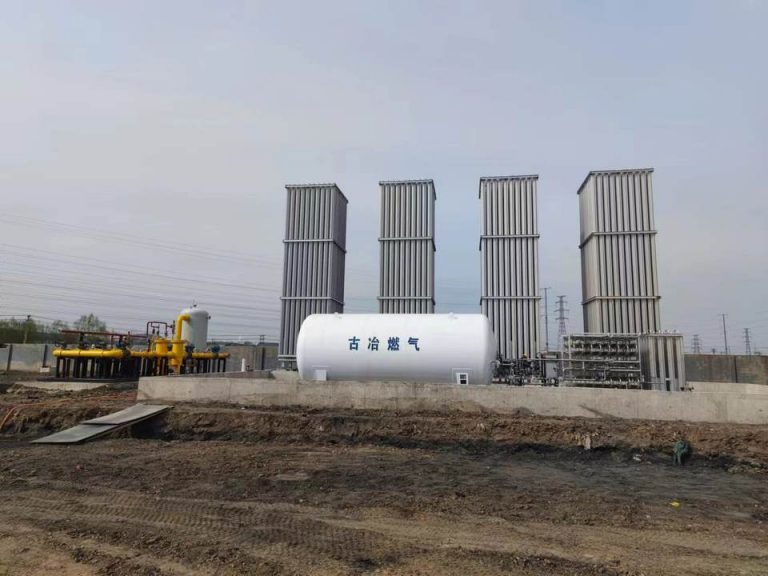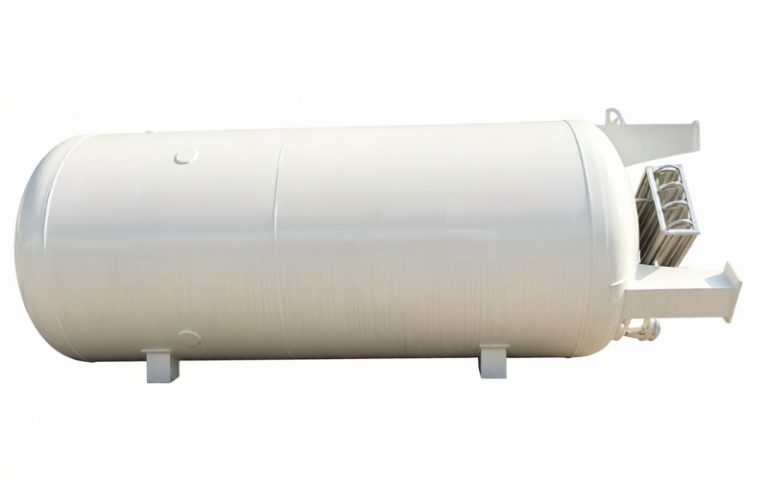
Friends involved in beverage and food processing are well aware of the role that carbon dioxide plays in the production line. Carbonated beverages require it, beer fermentation cannot do without it, and food preservation also relies on it. However, to utilize these applications, a qualified food-grade liquid carbon dioxide storage tank is an indispensable infrastructure. Today, let’s discuss this equipment in detail and what hard requirements it has.
Ⅰ.The material must pass the “food safety” test
The biggest difference between food-grade storage tanks and industrial storage tanks lies in the inner wall material that comes into direct contact with CO2. Generally, it is required to use SUS304 or SUS316L stainless steel, with the surface treated by electrolytic polishing, and the roughness usually controlled at Ra ≤ 0.8 μm. Why is this so meticulous? Because rough surfaces are prone to accumulate dirt and bacteria, directly affecting food safety. The welding parts must also use food-grade welding wires, and the entire container needs to provide a material inspection report and a hygiene certificate
Ⅱ.The design pressure and working pressure should match the actual working conditions
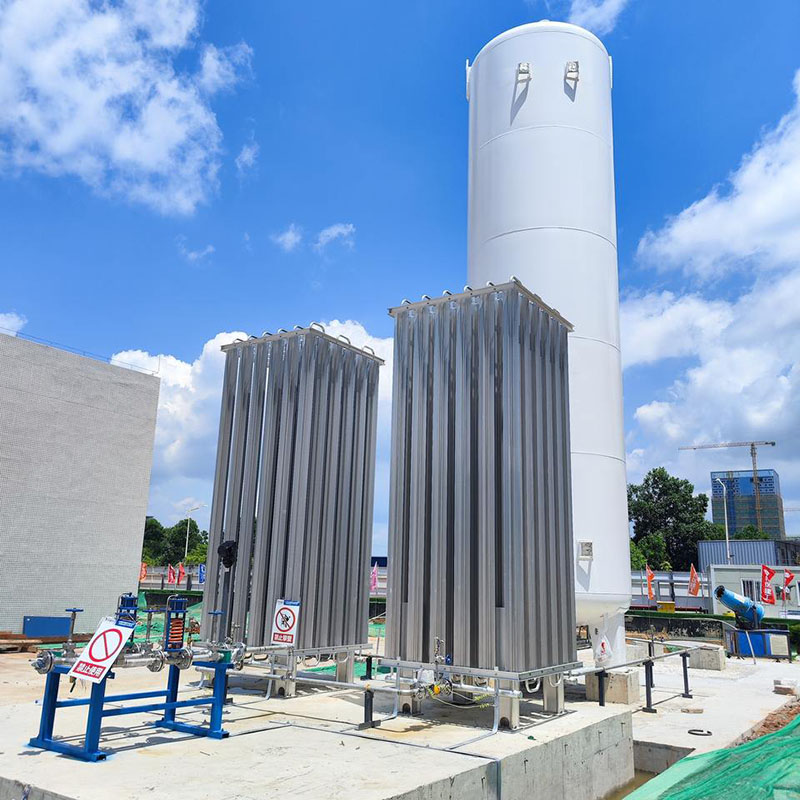
At room temperature, the saturated vapor pressure of liquid carbon dioxide is approximately 5.7 megapascals. With such a pressure level, the design pressure of the storage tank naturally cannot be too low; it usually needs to be no less than 1.77 megapascals. As for the working pressure, it is generally set at around 1.6 megapascals. However, the peak gas consumption of different factories is different, so a margin should be left when selecting. Additionally, the storage tank must be equipped with safety valves, pressure gauges, and liquid level meters, and these instruments themselves must comply with food-grade or food-contact material standards.
Ⅲ.The insulation layer and shell cannot be cut corners
The storage temperature of liquid carbon dioxide ranges from -18°C to -20°C. Within this temperature range, if the insulation effect is poor, the liquid will rapidly evaporate, causing waste and potentially leading to overpressure risks. Therefore, qualified food-grade storage tanks typically employ a high-vacuum multi-layer insulation structure, with the outer shell made of stainless steel or aluminum alloy plates. The vacuum level must be regularly checked. If the inner layer vacuum level is below the specified value, the tank needs to be sent back to the factory for re-vacuuming. Many small factories tend to overlook this point, and the subsequent operation and maintenance costs will be very high.
Ⅳ.What certifications and inspections are required
Domestically, such pressure vessels need to obtain the “Special Equipment Manufacturing License” and comply with TSG 21 “Fixed Pressure Vessel Safety Technical Supervision Regulations”. If the product is to be exported, it also needs to obtain international certifications such as ASME U, PED, and CE. The additional requirement for food-grade is to provide compliance certificates for contact materials that meet GB 4806 or FDA, EU 1935/2004. Without these documents, the equipment cannot be put into use.
Ⅴ.Several practical details during factory installation
The storage tank should be placed away from heat sources and open flames, and the ground should be treated for slip resistance and impact protection. It is recommended to use stainless steel socket joints or hygienic quick-connect joints for pipe connections to avoid using ordinary carbon steel parts. Before the equipment is filled for the first time, it is necessary to perform a nitrogen purge first, followed by vacuum pumping to keep out air and moisture. During daily inspections, the key points to focus on are three things: the reading of the pressure gauge, the change in vacuum degree, and whether there is abnormal frosting on the outer wall. These are the most intuitive indicators for judgment.
Ⅵ.Don’t just focus on the price when selecting, consider the overall solution
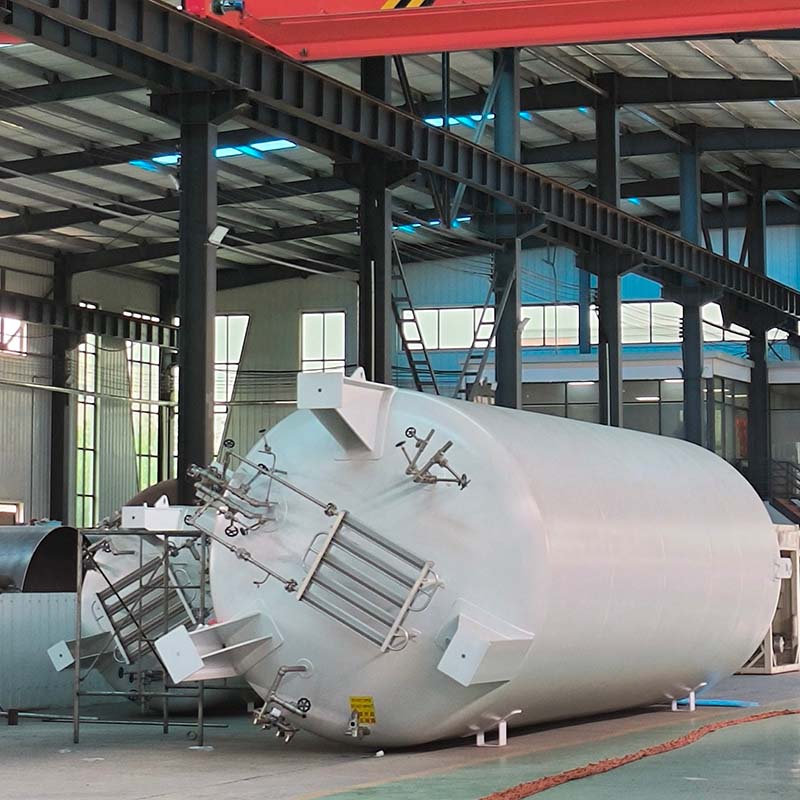
Many purchasing managers will immediately ask “How much does one unit cost?” In fact, what they should pay more attention to is whether the supplier has a complete technical solution, response speed in after-sales service, and whether they can customize according to your production line gas consumption. The storage tank capacity ranges from 500 liters to 50 tons. Choosing too small will affect production due to frequent refilling, and choosing too large will result in wasted space.
If you are planning to establish a beverage factory, brewery, or food processing workshop and need a reliable food-grade liquid carbon dioxide storage tank and associated gas supply system, please consult Zhuoyue Gas Equipment. We provide one-stop services from selection, production to installation and commissioning to help you complete the gas supply task in one step.