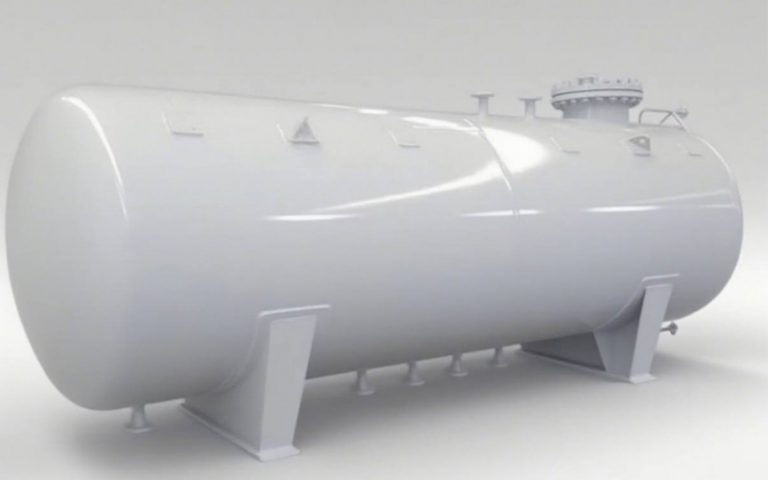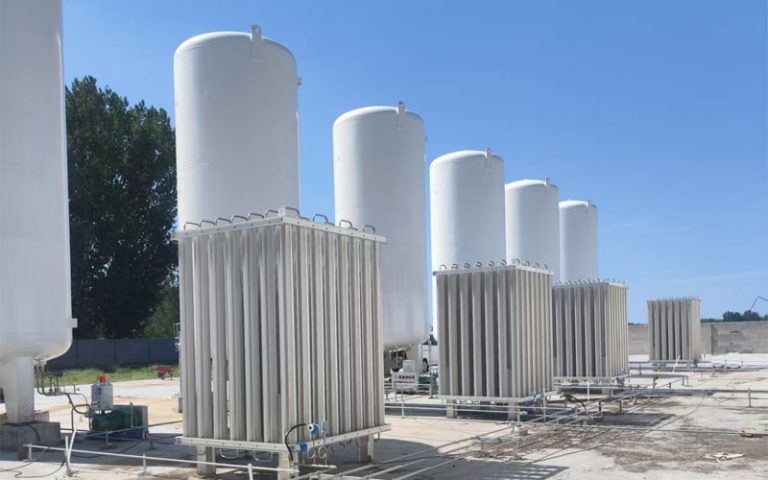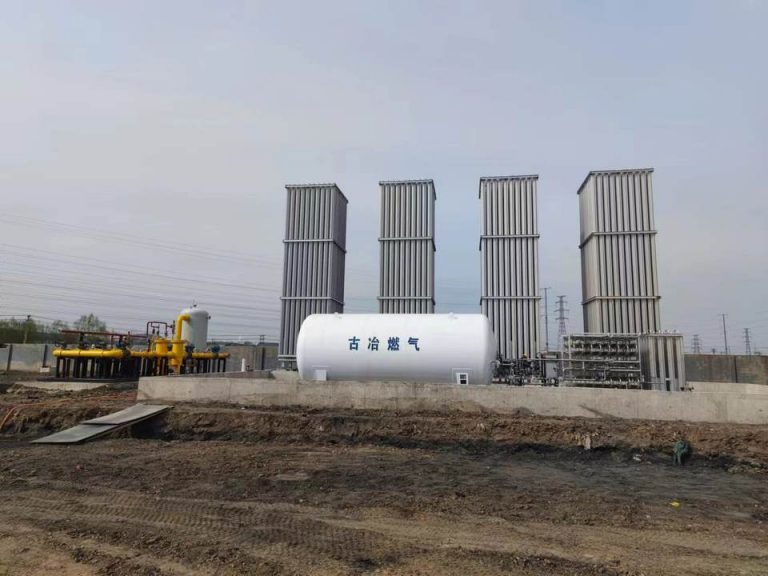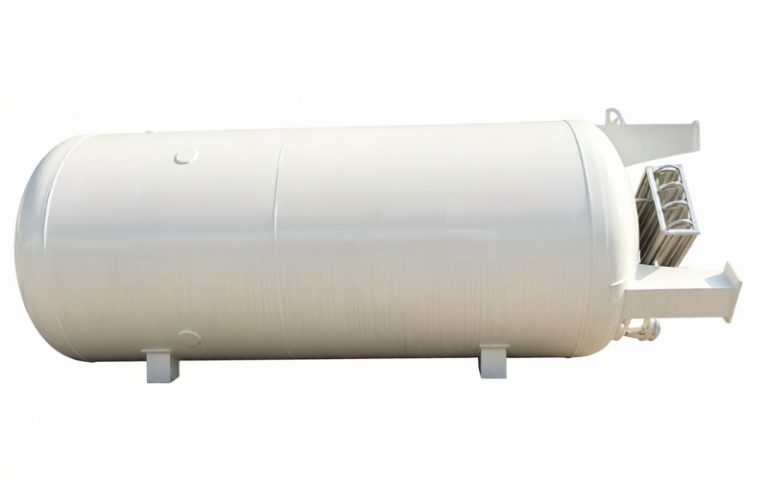
Are you looking for a LNG pressure regulating and metering station system that can adapt to -162℃ low-temperature conditions and meet international measurement standards to ensure fair trade exchanges, avoid unplanned shutdowns of downstream pipelines, and reduce long-term operation costs? Zhuoyue Gas Equipment has extensive experience in international low-temperature gas projects and can provide you with fully customized and reliable system solutions for your port receiving stations, urban gas filling stations and liquefied natural gas filling stations.
1.Core Design Challenges in Cryogenic Conditions
The operating temperature of low-temperature natural gas is typically as low as -162℃, which imposes extremely demanding requirements on the material selection, structural design, and operational logic of the system, far beyond those of conventional natural gas stations. Ordinary carbon steel materials are prone to brittle fracture in low-temperature environments. Therefore, all components in the system that come into direct contact with the low-temperature medium must be made of low-temperature-resistant stainless steel, aluminum alloys, or special low-temperature alloy materials. These materials must also undergo strict low-temperature impact tests to ensure that they will not deteriorate under long-term low-temperature cycling conditions.
In addition, during the pressure regulation process of low-temperature natural gas, there is a significant temperature drop effect. If the pre-treatment is not adequate, it is very likely to cause ice blockages inside the pipelines and equipment, directly leading to inaccurate flow meters, stuck pressure regulating valves, and even the shutdown of the entire station. Many early-operated low-temperature stations have experienced unplanned shutdowns due to incomplete ice blockage warning and handling mechanisms, affecting the stability of gas supply for downstream users. Therefore, a reliable system must prioritize low-temperature adaptability from the design stage, rather than simply making simple low-temperature modifications to the conventional pressure regulation and metering systems.
2.High-Precision Measurement and Trade Settlement Compliance Design
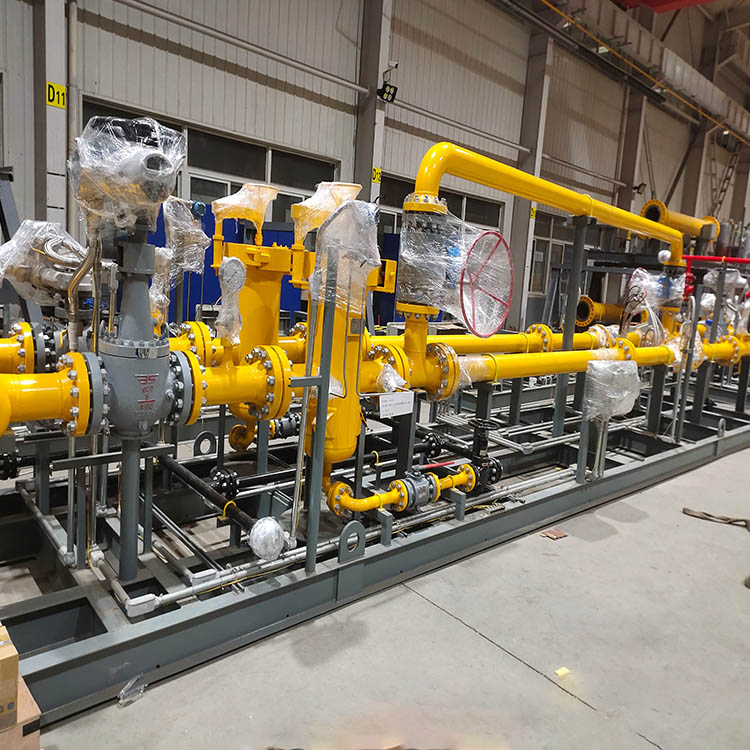
The measurement of low-temperature natural gas in trade settlement scenarios is one of the core functions of the entire station and is the most concerned indicator by global customers. Unlike ordinary gas measurement, the density and composition of low-temperature LNG will change slightly with operating conditions, which requires the measurement system not to rely solely on volume measurement but to simultaneously complete multi-dimensional data collection of flow, density, and composition, and finally convert them into energy values in standard conditions for settlement.
Most mature and reliable solutions in the industry currently adopt ultrasonic or Coriolis low-temperature flow meters as the core measurement equipment, combined with dedicated flow computers. The entire system must fully comply with relevant international legal metrology organizations’ regulations and the EU Measurement Instruments Directive MID MI-002. To avoid interference from impurities on measurement accuracy, the system will also be equipped with an exclusive pre-treatment unit and built-in multi-path diagnostic functions, which can identify issues such as pipe wall deposits and abnormal flow states in real time, issue early warnings without affecting normal operation, and significantly extend the maintenance-free operation cycle.
3.Pressure Energy Recovery and Cold Energy Comprehensive Utilization
Traditional low-temperature pressure regulating and metering stations often simply reduce the pressure of high-pressure natural gas through pressure regulating valves, losing a large amount of pressure energy and cold energy in the process. Modern reliable low-temperature pressure regulating and metering station systems have integrated energy recovery design into the overall plan. Through the integration of two-stage expanders, the pressure energy of high-pressure natural gas is converted into mechanical energy to drive generators to produce electricity. This electricity can be directly supplied to the instruments, lighting, and auxiliary equipment in the station, significantly reducing the external power dependence of the station.
At the same time, the low-temperature natural gas after expansion can complete cold energy recovery through multi-stream heat exchangers. The recovered cold energy can be used to pre-cool the media entering the station or provide cold sources for nearby small-scale process units. This integrated comprehensive utilization design not only helps customers reduce the long-term operating energy consumption of the station, but also enhances the overall economic efficiency of the project. It is particularly suitable for applications in remote LNG receiving stations, gas filling stations, and long-distance pipeline distribution stations.
4. Early Warning for Ice Blockage and Lifecycle Operation Assurance
The most common operational failure in low-temperature stations is ice blockage. Many customers have found that they missed the best handling opportunity when they discovered problems such as abnormal pressure and flow interruption only after the fact due to the lack of effective early warning measures. A reliable low-temperature pressure regulating and metering station system will install multi-dimensional sensors for temperature, pressure, and differential pressure at key nodes. Through preset algorithms, it will compare the operating parameters in real time and automatically issue graded warnings at the early stage of ice blockage. At the same time, it will联动 preheating, bypass, and other pre-treatment units to eliminate the ice blockage without interrupting the gas supply.
In addition, for systems targeting global export customers, a complete remote diagnosis and data storage system will be provided. All operation data, calibration records, and alarm information can be retained for a long time, which is convenient for customers to complete compliance traceability and also enables the technical team of equipment suppliers to remotely grasp the operation status of the station and arrange preventive maintenance in advance. This lifecycle operation design can significantly reduce the operation threshold for overseas customers and prevent small problems from escalating into major faults due to long distances and slow responses.
5. Customized Adaptability for Global Markets
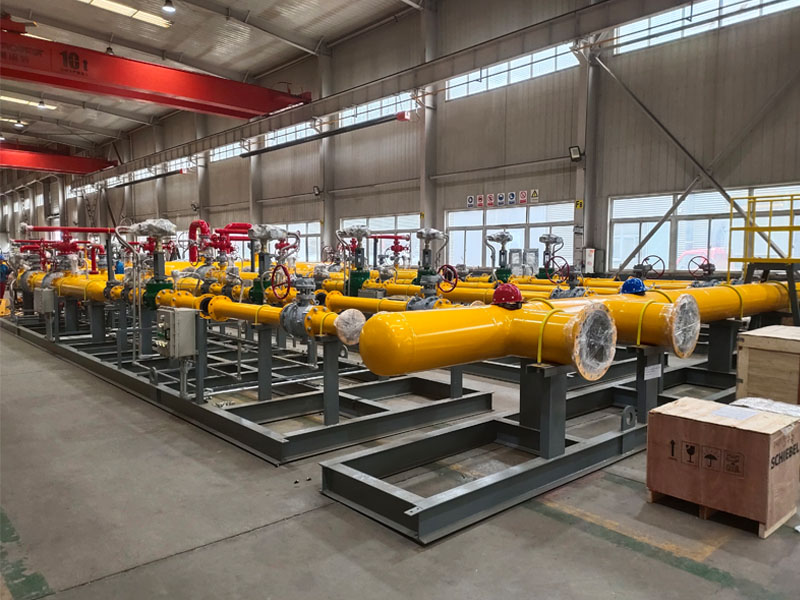
Customers in different countries and regions have different requirements for the installation environment, standard specifications, and interface forms of low-temperature pressure regulating and metering stations. A truly reliable system cannot be a standardized universal product. Instead, it can be flexibly adjusted according to the project scenarios of customers: for the LNG loading and unloading scenarios at ports, a large-flow skid-mounted metering system can be designed; for the tanker filling scenarios, rapid filling and batch control functions can be integrated; for the urban gate station scenarios, multiple functions such as pressure regulation, metering, and residual energy recovery can be considered.
For cryogenic gas equipment export enterprises, choosing Zhuoyue gas equipment can obtain a reliable cryogenic natural gas pressure regulating and metering station system solution that is adapted to different global operating conditions. We have rich experience in the research and manufacturing of cryogenic gas equipment and can complete the full-process customized design and compliance adaptation according to your project scenarios. If you have any related procurement or technical consultation needs, please contact us at any time to obtain exclusive technical solutions and quotation support.