

When liquefied natural gas is cooled to approximately minus 162 degrees Celsius, it remains in a liquid state. LNG storage tanks take advantage of this characteristic to store liquid natural gas. Since the storage tanks are placed in a normal temperature environment, there will be a small amount of controlled evaporated gas (BOG) continuously evaporating inside, thereby maintaining the remaining liquid at a low temperature.
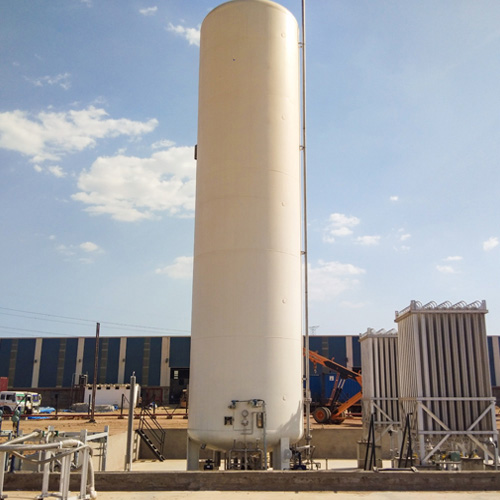
The design and operation of liquefied natural gas storage tanks rely on several key principles:
1.Double-layer structure
All LNG storage tanks have a double-layer wall, with a vacuum layer in the middle filled with highly efficient insulation materials, such as perlite or polyurethane foam. The inner tank contains the cryogenic liquid, typically made of nickel alloy steel, which can withstand extreme cold without becoming brittle. The outer tank is made of carbon steel or heavy concrete to protect the inner tank and prevent leakage.
2.Boil-off Gas (BOG) Management
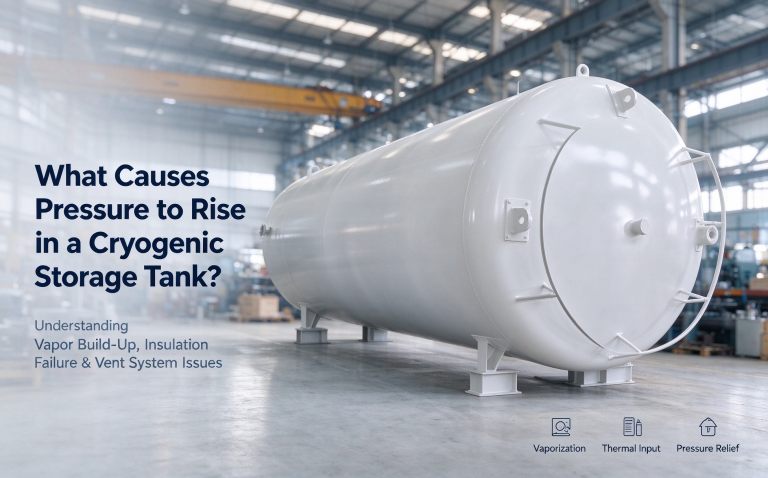
The insulation layer cannot be absolutely perfect, so a small portion of liquefied natural gas always absorbs external heat and turns into steam. To prevent the pressure from reaching dangerous levels, these boil-off gases (BOG) are continuously collected. They can be safely pumped out for re-liquefaction, used as fuel in the factory, or compressed and sent into the distribution pipeline as ordinary natural gas.
3.Pressure and Safety Control
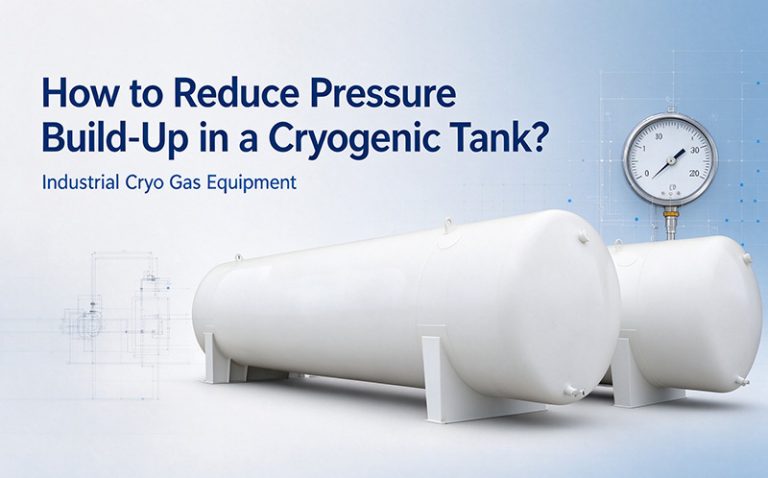
Large onshore liquefied natural gas storage tanks store gas under extremely low pressures close to atmospheric pressure. These tanks are equipped with redundant pressure relief valves, vacuum breakers, and continuous monitoring systems to ensure a safe and stable environment at all times. While small vacuum insulated storage tanks commonly used in industrial sites (such as ISO tanks) can withstand higher pressures, allowing for flexible adaptation to local needs.
4.Evacuation and Re-gasification
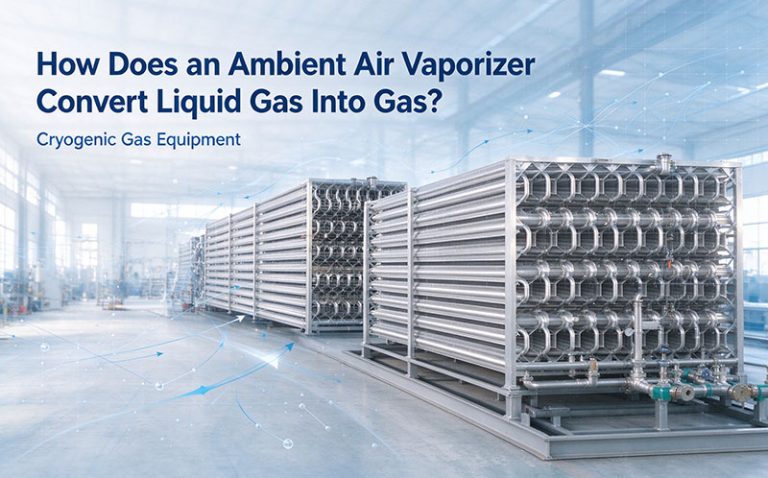
When natural gas is pumped out from the storage tanks, it is in a liquid state. It needs to be rapidly heated through a heat exchanger to re-convert into usable gas. The heat exchanger is usually heated by seawater or ambient air.
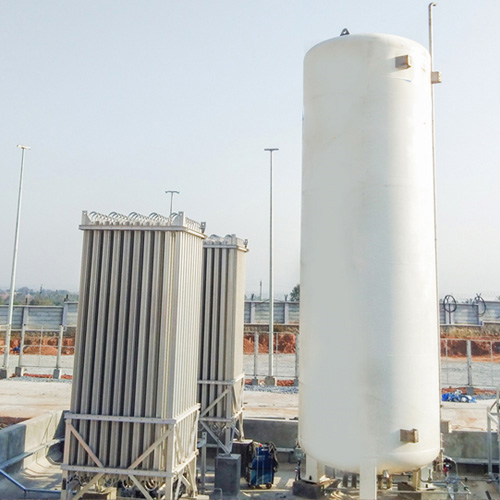
Looking to purchase a liquefied natural gas storage tank? Please inform us about its purpose, usage area, environmental conditions and other parameter requirements.Zhuoyue Gas Equipment can customize detailed information according to your specific needs.