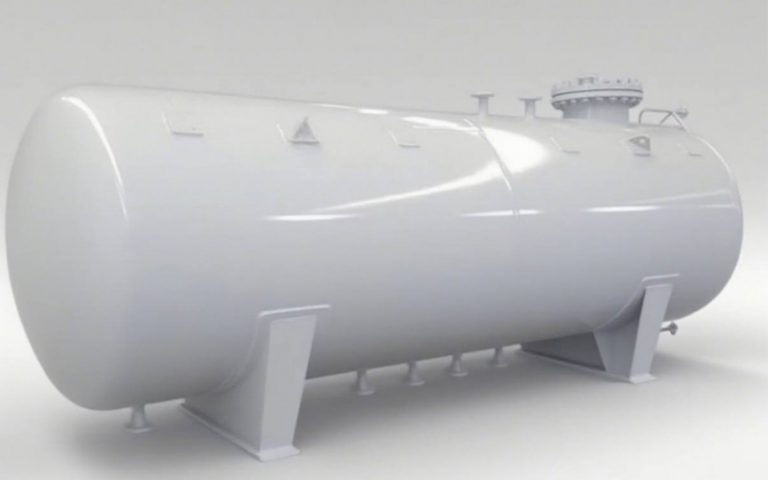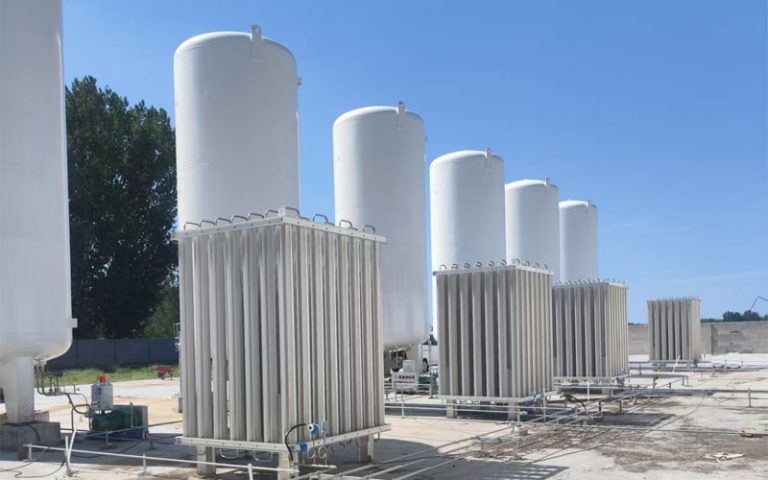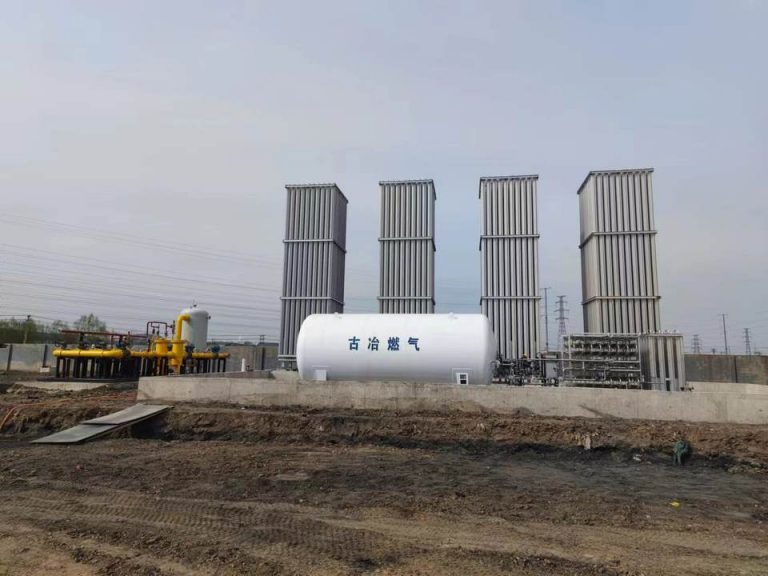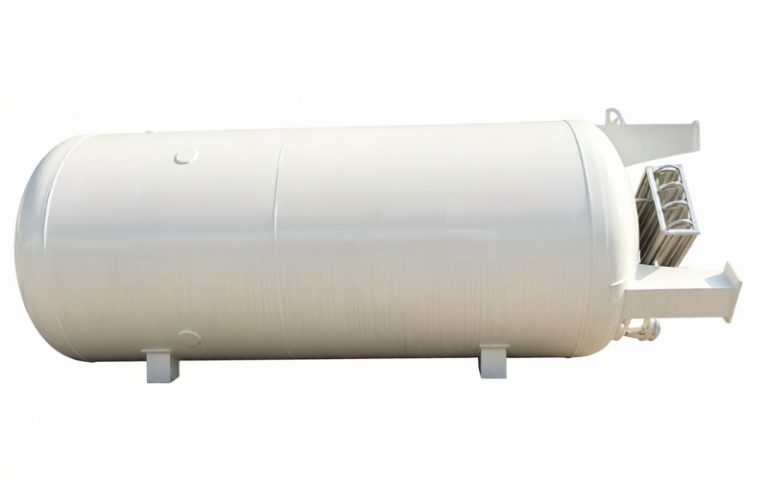


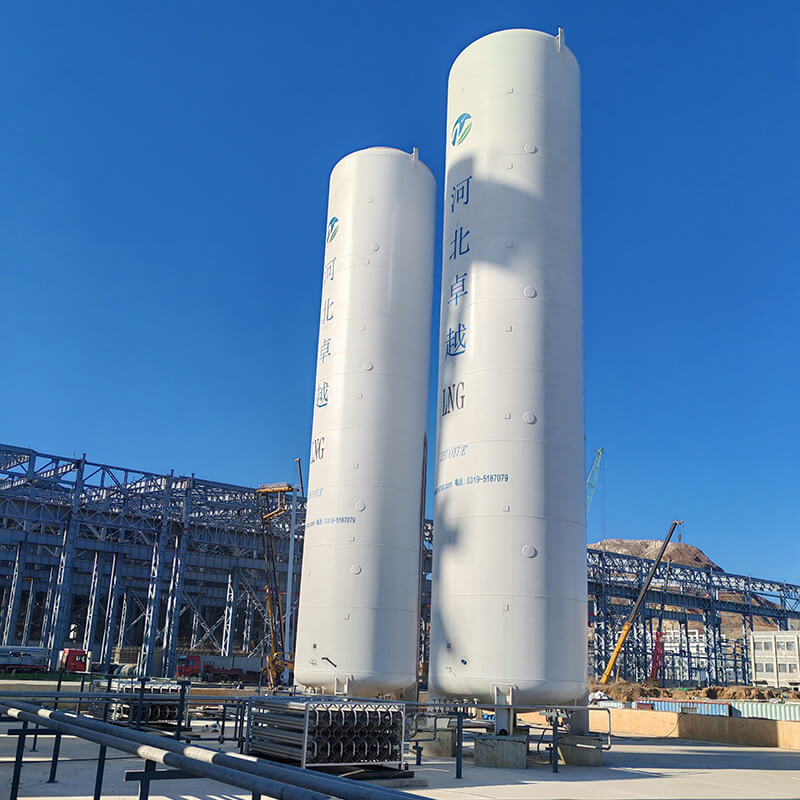
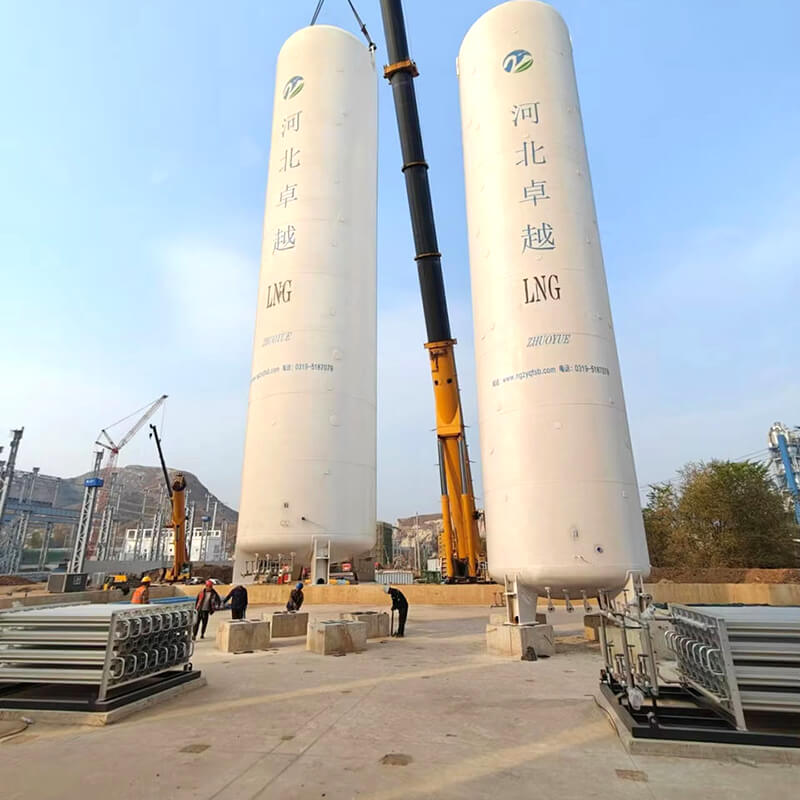
Liquefied Natural Gas (LNG) storage tanks are an important pillar in Nigeria’s energy sector, helping to bridge the gap to support industrial development. The application of liquefied natural gas storage tanks has promoted the development of Nigeria’s domestic industry, filled the domestic energy gap, and increased foreign exchange earnings.They are critical to managing the supply chain for both global distribution and localized virtual pipelines.
1.Global Export Monetization
Large-scale energy storage: At the export terminal, there are large cryogenic storage tanks, which serve as an energy buffer. These tanks hold a large amount of such gases before the cooled liquefied gas is loaded at atmospheric pressure onto cryogenic transport ships for shipment to global markets.
Project operation at flagship facilities: For large-scale facilities such as the Nigerian LNG (NLNG) facility on Bonny Island, the use of storage tanks is highly dependent, ensuring a processing capacity of over 22 million tons per year.
Offshore floating liquefied natural gas (FLNG) projects: Emerging offshore projects, such as those led by the Nigerian National Petroleum Corporation (NNPC) and Golar LNG, utilize onboard storage systems, enabling the rapid conversion of offshore oil and gas resources into economic benefits without relying on fragile land-based pipelines.
2.Domestic “Virtual Pipelines”
Remote industrial supply. The pipeline network in Nigeria has a limited coverage area, and there are no pipelines available in many regions. The storage tanks at the receiving end act as the hub of the “virtual pipeline”.
Transportation and re-gasification. Liquefied natural gas is transported to industrial sites on dedicated low-temperature storage tank trucks. After re-gasification, it can be used as a clean and reliable energy source for heavy industry production, thereby replacing the expensive and polluting diesel. The amount of gas to be re-gasified will be determined based on the customer’s gas consumption and the upstream processes of the heavy industry.
3.Power Generation
Grid and Stand-alone Power: Liquefied natural gas is utilized to supply energy to independent power plants (IPP) as well as the self-generated power facilities of large commercial and industrial clusters.
Buffer Storage: Storage tanks at power plants ensure a continuous, uninterrupted fuel supply, buffering against the gas supply disruptions and pipeline vandalism that frequently impact traditional onshore pipeline networks.
4.Marine Bunkering and Transport
Eco-Friendly Fuel: LNG is increasingly used as a cleaner alternative to traditional marine fuels (like heavy fuel oil).
Port infrastructure: The port’s docks and oil storage tanks facilitate offshore refueling operations, providing cleaner fuel for LNG-powered vessels traveling through the Gulf of Guinea.
5.Energy Transition and Flaring Reduction
Small-scale liquefied natural gas storage facilities help to store and utilize the “surplus” or associated natural gas, which would otherwise be burned directly if not utilized. This measure aligns with Nigeria’s goal of reducing greenhouse gas emissions.
The stored liquefied natural gas, as a relatively low-carbon transitional fuel, provides support for Nigeria in achieving its long-term sustainable energy goals.
Zhuoyue Gas Equipment specializes in creating customized gas solutions. It has been deeply involved in overseas markets and has a large-scale project case in Nigeria. Welcome to contact us.