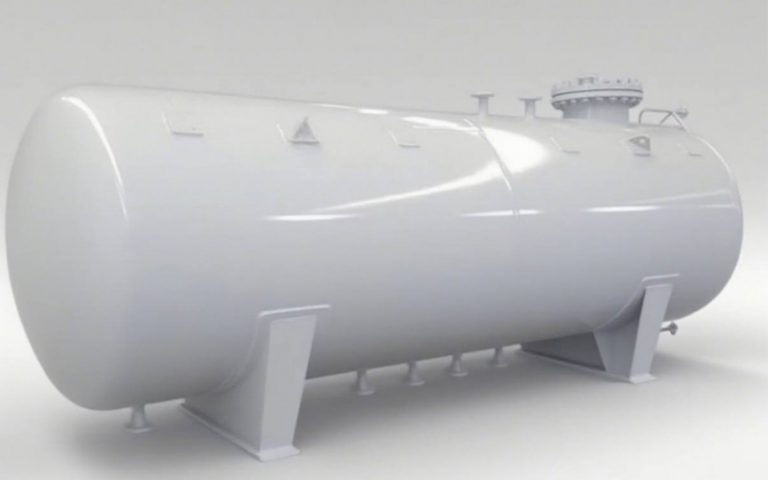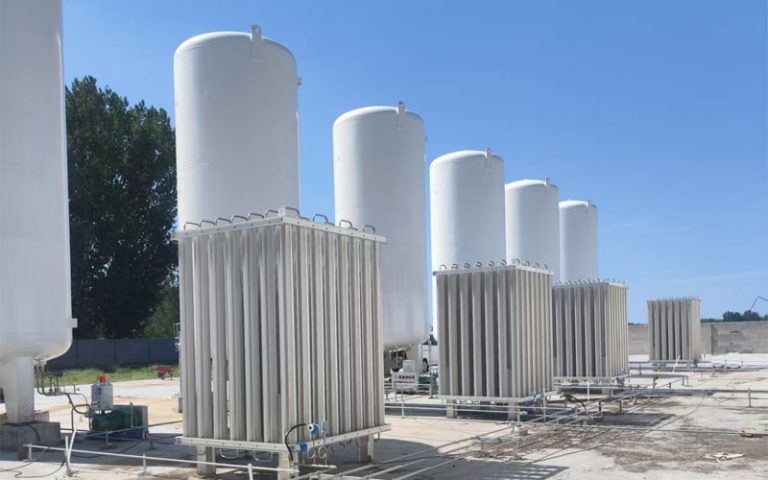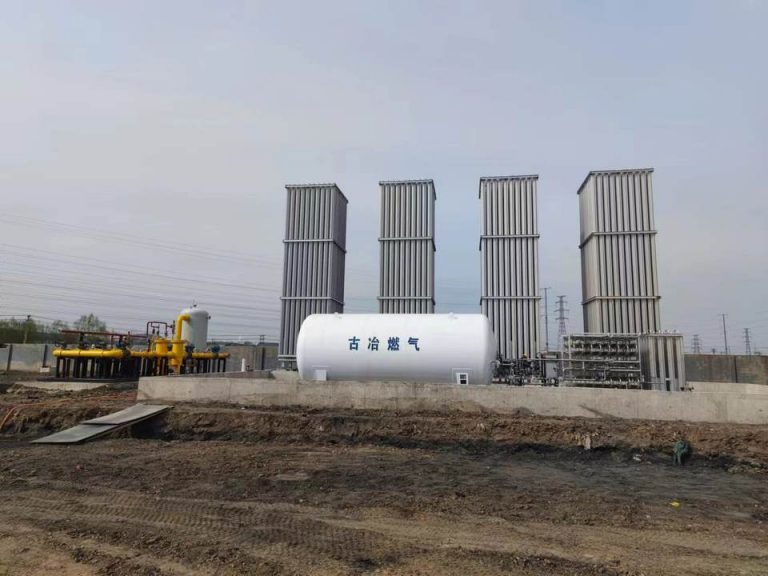
Africa’s energy landscape is undergoing a profound transformation, with liquefied natural gas (LNG) emerging as a cornerstone of sustainable development. With the increase in energy demand and the need for environmental protection and emission reduction, liquefied natural gas storage tanks have become an essential infrastructure. It is expected that from 2025 to 2030, driven by technological innovation, policy changes, and constantly evolving market dynamics, the liquid natural gas storage facilities across Africa will develop rapidly.
1.Scaling Up for Growing Domestic Demand
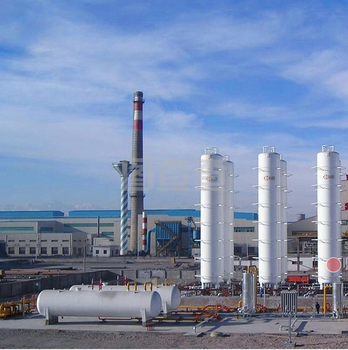
Africa’s population is projected to reach 1.8 billion by 2030, and urbanization rates are accelerating at an unprecedented pace. This surge in population and urban growth is fueling a sharp increase in domestic energy consumption, particularly in sectors like power generation, manufacturing, and transportation. To meet this demand, countries across the continent are investing heavily in LNG import terminals and storage infrastructure.
Nigeria, for example, is expanding its existing LNG storage capacity to support its domestic gas-to-power initiatives, aiming to reduce reliance on expensive and polluting diesel generators. Similarly, Egypt, which has emerged as a regional LNG hub, is upgrading its storage facilities to handle both domestic consumption and re-export to neighboring countries. By 2030, it is estimated that Africa will need an additional 15 million cubic meters of LNG storage capacity to keep pace with demand, creating significant opportunities for low-temperature gas equipment providers.
2.Embracing Modular and Mobile Storage Solutions
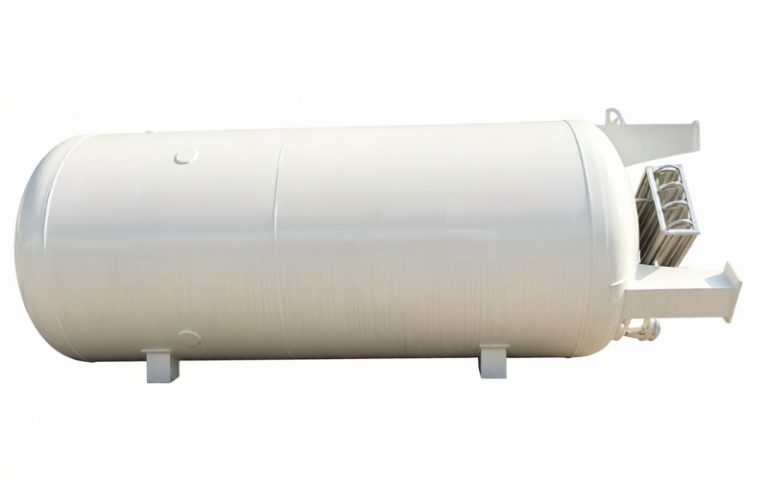
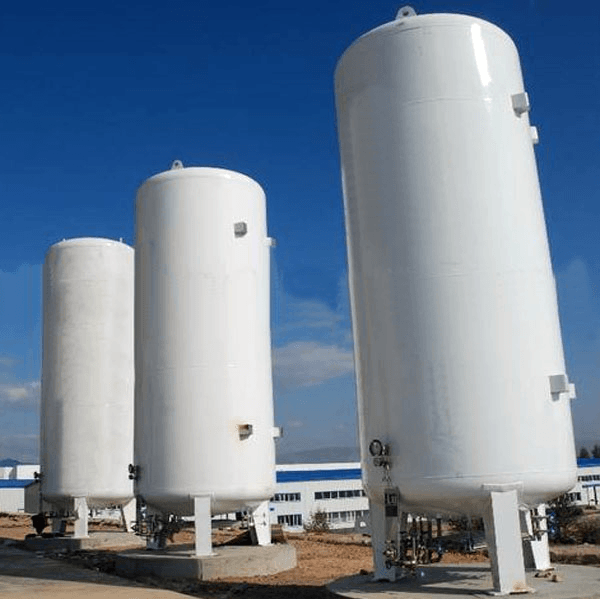
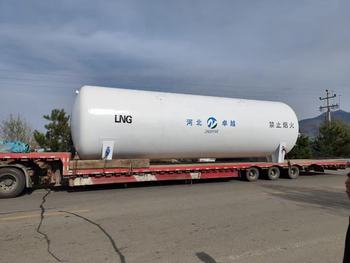
One of the most notable trends in Africa’s LNG storage sector is the shift toward modular and mobile storage solutions. Traditional large-scale, fixed storage tanks require substantial upfront investment and long construction timelines, making them less suitable for remote or underserved regions. Modular storage units, on the other hand, are pre-fabricated, cost-effective, and can be deployed quickly, enabling access to LNG in areas with limited infrastructure.
Countries like Kenya and Tanzania are leveraging modular storage tanks to extend LNG access to off-grid communities and mining operations. These units, which range from 100 to 10,000 cubic meters, can be transported by road or sea and assembled on-site in a matter of weeks. Mobile storage solutions also offer flexibility, allowing operators to adjust capacity based on demand fluctuations. This trend is expected to gain momentum between 2025 and 2030 as more African countries prioritize energy access for all.
3.Advancing Technological Innovation for Efficiency and Safety
Technological innovation is playing a pivotal role in shaping the future of LNG storage in Africa. As the industry matures, there is a growing focus on enhancing the efficiency, safety, and environmental performance of storage facilities. Advanced materials, such as high-strength steel and insulation technologies, are being used to reduce heat ingress and minimize LNG boil-off, which not only lowers operational costs but also reduces greenhouse gas emissions.
Additionally, digitalization and automation are transforming storage tank operations. IoT sensors and real-time monitoring systems are being deployed to track tank levels, pressure, and temperature, enabling predictive maintenance and reducing the risk of accidents. For instance, in Algeria, one of Africa’s largest LNG producers, smart storage tanks equipped with AI-powered analytics have improved operational efficiency by 20% and reduced unplanned downtime by 30%. These technological advancements are not only making LNG storage more reliable but also aligning with global sustainability goals.
4.Prioritizing Sustainability and Decarbonization
The global push for decarbonization is influencing Africa’s LNG storage sector, with a growing emphasis on reducing the carbon footprint of LNG operations. While natural gas is considered a cleaner alternative to coal and oil, the process of liquefaction, transportation, and storage still generates greenhouse gas emissions. To address this, African countries are adopting measures to minimize the environmental impact of LNG storage facilities.
Carbon capture, utilization, and storage (CCUS) technologies are being integrated into new storage projects to capture and store CO2 emissions. Morocco, for example, is planning to build a CCUS-enabled LNG storage terminal as part of its strategy to achieve net-zero emissions by 2050. Furthermore, there is increasing interest in bio-LNG, a renewable form of natural gas produced from organic waste. By 2030, it is expected that at least 10% of Africa’s LNG storage capacity will be dedicated to bio-LNG, supporting the continent’s transition to a low-carbon economy.
5.Strengthening Regional Integration and Collaboration
Regional integration is another key trend driving the development of LNG storage in Africa. Many countries on the continent have limited domestic gas reserves, making them dependent on imports from neighboring producers. To ensure a stable and affordable supply of LNG, regional blocs like the Economic Community of West African States (ECOWAS) and the Southern African Development Community (SADC) are working to harmonize regulations, cross-border infrastructure, and gas trading mechanisms.
The Trans-Saharan Gas Pipeline, which connects Nigeria to Algeria and Europe, is expected to be extended to include storage facilities in Niger and Chad, creating a regional network that enhances energy security. Similarly, the East African Crude Oil Pipeline (EACOP) project, while primarily focused on oil, includes provisions for LNG storage and distribution, linking Uganda and Tanzania to global markets. By fostering collaboration, African countries can leverage their collective resources to build a more resilient and interconnected LNG storage infrastructure.
Conclusion
Between 2025 and 2030, Africa’s LNG storage sector will undergo significant growth and transformation, driven by rising domestic demand, technological innovation, sustainability goals, and regional integration. For low-temperature gas equipment companies, this presents a unique opportunity to contribute to Africa’s energy transition while tapping into a rapidly expanding market. By offering modular storage solutions, advanced technologies, and sustainable practices, these companies can play a crucial role in ensuring that LNG remains a clean, reliable, and accessible energy source for millions of Africans in the years to come.