
Liquid nitrogen storage tanks, as low-temperature storage equipment, are widely used in scientific research, medical care and industrial fields. To ensure operational safety and extend the service life of the equipment, a comprehensive inspection must be carried out before use. The following are the key points that need to be checked before filling liquid nitrogen storage tanks to help you prevent potential risks.
1.Basic inspection before use: Ensure the compliance of the equipment
When the liquid nitrogen storage tank is used for the first time or reactivated after a long period of inactivity, the following basic checks should be carried out:
Appearance and markings: Check the container shell for any dents, cracks or signs of corrosion, and ensure that all safety markings are clearly visible.
Product certificate and Manual: Verify whether the equipment has a qualification certificate and keep the user manual for reference.
Pressure gauge calibration: Pressure gauges must be verified by professional metrology institutions to ensure accurate readings.
Safety device status: Check whether the safety valve and rupture disc are in good condition, free from blockage or damage, to ensure they can function normally in emergency situations.
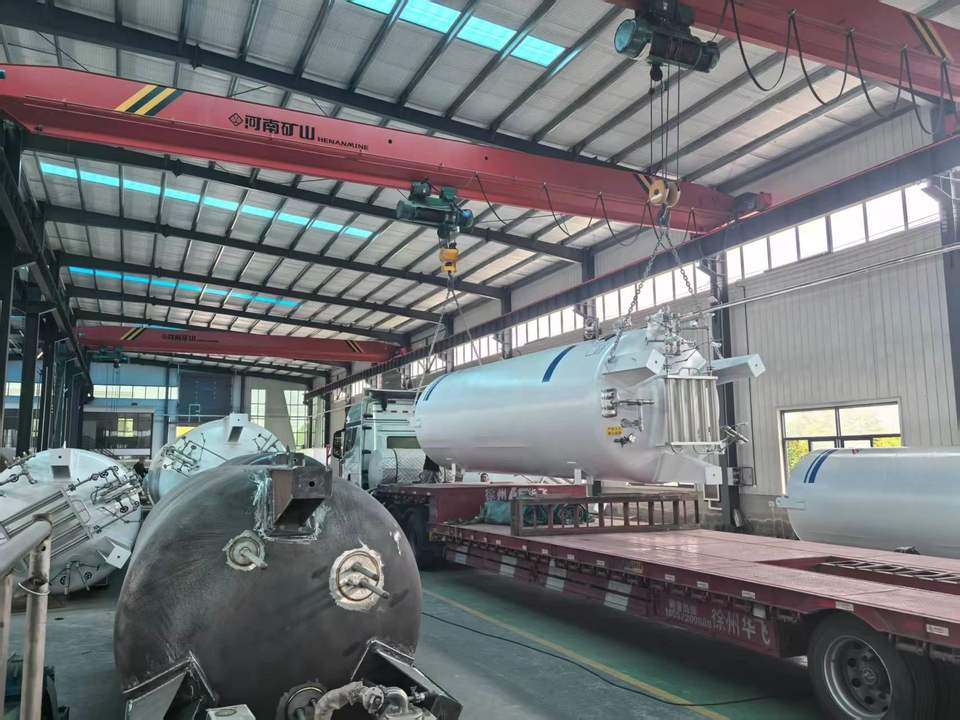
2.Core inspection before filling: Prevent vacuum failure
Before filling liquid nitrogen, the following parts need to be inspected with emphasis to avoid insulation failure caused by a decrease in vacuum degree:
Shell integrity: Carefully inspect the shell for any depressions or deformations. These defects may affect the vacuum sealing performance.
Vacuum exhaust port: Make sure the exhaust port is intact. If it is damaged, it will cause a decrease in vacuum degree, leading to frost formation on the upper part and a large amount of liquid nitrogen evaporation.
Potential risk: If any abnormality is found in the casing or exhaust port, continuing to use it may lead to the loss of the equipment’s insulation performance, a significant increase in liquid nitrogen consumption, and even damage to the storage materials.
3.Dynamic monitoring during use: Timely detection of potential hazards
During the storage of liquid nitrogen, it is necessary to continuously monitor the equipment status to ensure safe operation
Observation of frost and condensation: If water droplets or frost appear on the tank lid or the upper part, it indicates that there is a quality problem with the equipment and its use should be stopped immediately.
Abnormal temperature detection: Touch the outer shell with your hand. If the upper part is cold while the lower part is hot, it indicates that the vacuum layer may have failed, and the daily evaporation of liquid nitrogen has abnormally increased. Close observation is required.
Surface wear inspection: Regularly inspect the casing with the naked eye. Stop using it when grinding or scratches are found. Especially if the inner wall of the neck tube is frosted or frozen, do not scratch it with sharp tools to avoid damaging the vacuum sealing performance.
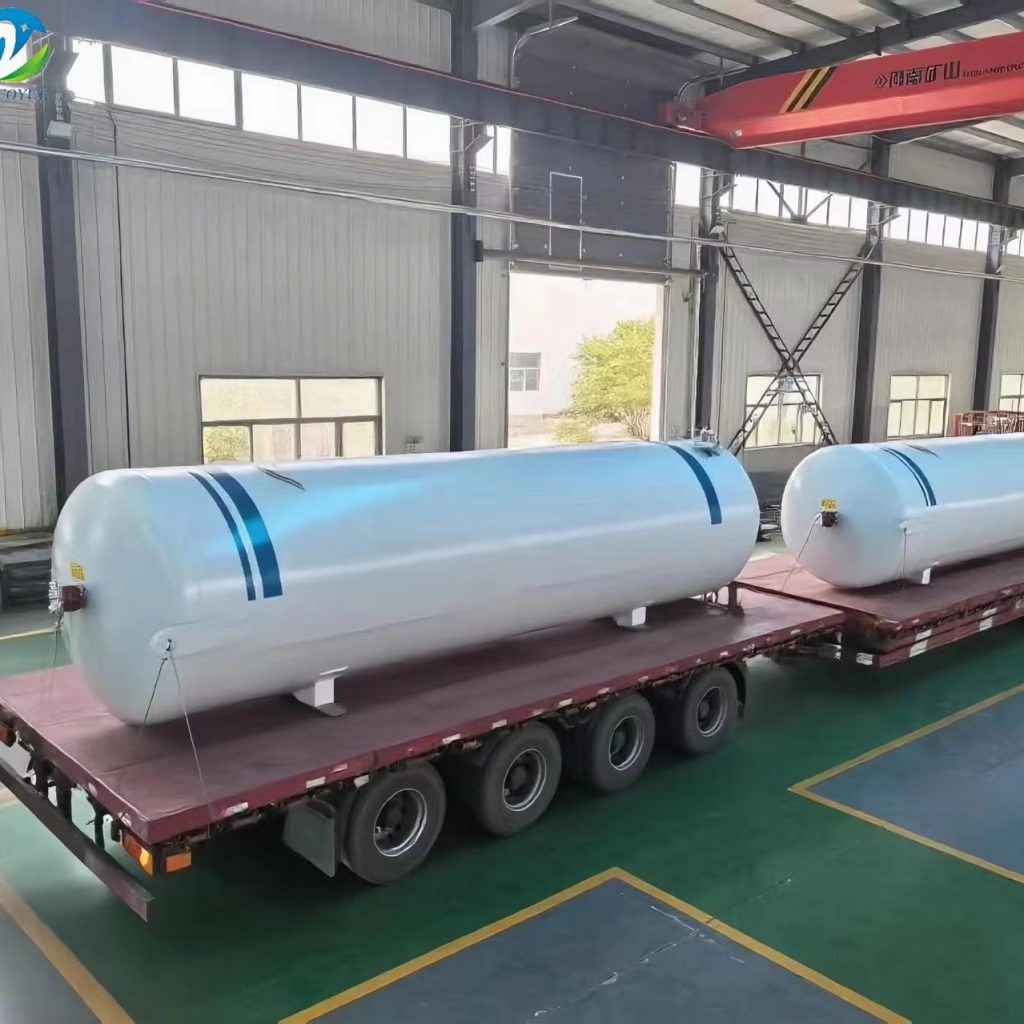
4.Safety operation and emergency response
To ensure absolute safety, operators should follow the following principles:
Full-time management: The unit should clearly designate a governance department, appoint full-time or part-time management personnel, and conduct regular maintenance and inspection.
Fault response: When a fault or potential hazard is detected, immediately stop using it and report the accident to prevent the risk from escalating.
Emergency measures for frost formation: If frost or condensation forms on the surface of the container, quickly reduce the pressure and stop using it. After identifying the cause and eliminating the fault, re-inject liquid nitrogen.
By following the above steps, you can effectively ensure the safe use of liquid nitrogen storage tanks, reduce the risk of unexpected shutdowns, and extend the service life of the equipment. Always put safety first. Regular inspections are the key to preventing accidents.