
What is a liquid nitrogen vaporizer? A comprehensive analysis of the core components of the low-temperature gas equipment industry
In industrial applications involving low-temperature gases, many people have heard of the liquid nitrogen vaporizer. However, many users who are new to this technology still have questions: What role does it play in the entire gas supply system? Why are more and more food, medical, and metal processing enterprises starting to replace their unstable liquid nitrogen vaporizer equipment with more stable ones? As a service provider with extensive experience in the field of low-temperature gas equipment, today we will explain the functions, classifications, and selection points of the liquid nitrogen vaporizer from a practical application perspective, helping you avoid common pitfalls in procurement and use.
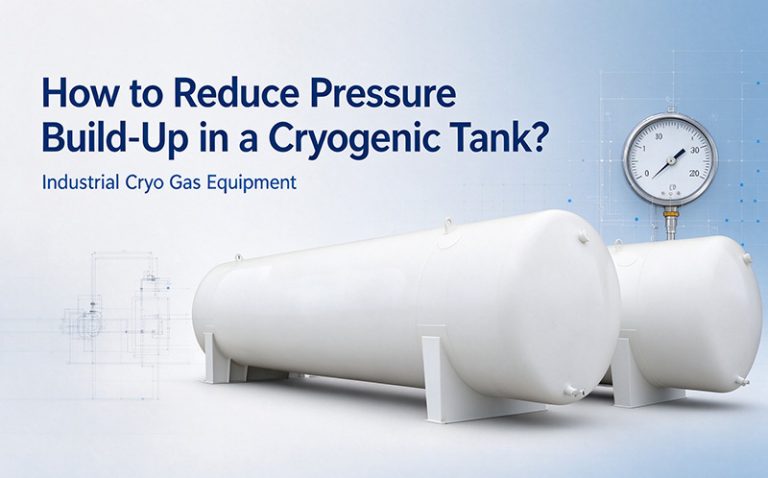
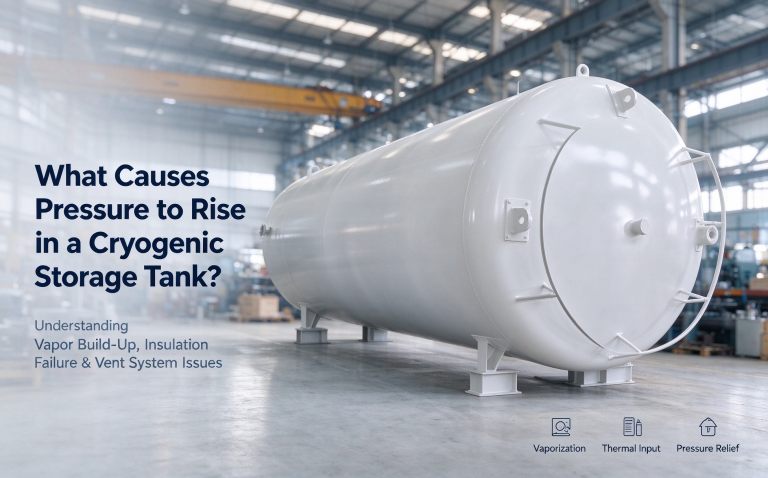
In simple terms, a liquid nitrogen vaporizer is a specialized device that converts the -196℃ liquid nitrogen stored in a low-temperature storage tank through heat exchange into gaseous nitrogen at room temperature. The liquid nitrogen we come into contact with in daily life is stored in insulated tanks in a liquid form. The directly output low-temperature liquid nitrogen simply cannot be directly connected to most industrial gas pipelines. Not only will it damage ordinary sealing pipe fittings, but it also cannot meet the gas demand for welding, food rapid freezing and preservation, medical liquid nitrogen freezing, and gas refill after liquid nitrogen freezing in such scenarios. The liquid nitrogen vaporizer was created to address this core pain point.
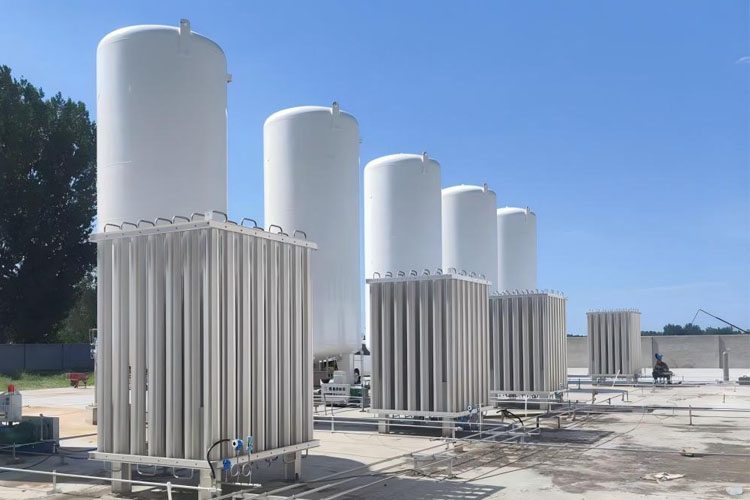
At present, the mainstream liquid nitrogen vaporizers on the market can be mainly divided into two categories, which are also the two most commonly used types when we select products for different customers.
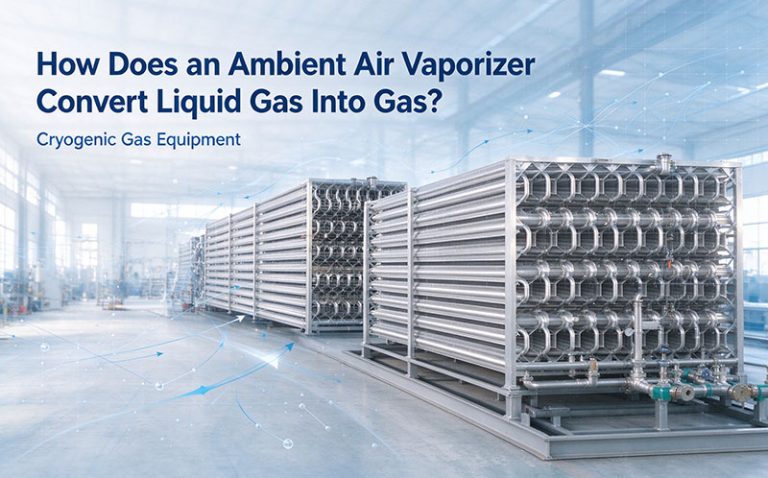
The first type is the open-air liquid nitrogen vaporizer, which is also the preferred choice for most medium and small-scale customers. It achieves heat exchange through the natural convection of ambient air and does not require additional power supply or heat sources. It operates with zero energy consumption and requires minimal maintenance on a daily basis. As long as it is installed in an area with good ventilation, it can steadily output tens to hundreds of cubic meters of ambient temperature nitrogen per hour, making it particularly suitable for scenarios with stable gas usage such as food preservation and small-scale metal welding.
The second type is the water bath liquid nitrogen vaporizer, designed for large-scale usage or in extremely cold regions. It achieves rapid heat exchange through a water circulation system. Even in outdoor environments in northern regions with temperatures as low as minus 20 to 30 degrees Celsius, it can ensure a stable output of over a thousand cubic meters per hour. It will not encounter the problem of excessive frost formation on the water bath type equipment in low-temperature environments, resulting in a decline in gas output. It is widely used in industries such as large-scale chemical production, aerospace testing, and semiconductor manufacturing, which have extremely high requirements for the continuity of gas supply.
The most common pitfall for many customers during the purchasing process is to only focus on the stated vaporization capacity and overlook the adaptability to the actual usage environment. We once encountered a food processing customer who, in an attempt to save money, chose a smaller-sized air-cooled vaporizer. During the rainy season when the air humidity was high, thick frost formed on the surface of the equipment, and the actual output was even less than 60% of the stated capacity. This directly led to the interruption of nitrogen preservation on the production line, almost affecting the shelf life of the entire batch of ingredients. Later, we replaced it with a customized air-cooled liquid nitrogen vaporizer with extended heat exchange fins for him, and at the same time adjusted the installation spacing between the equipment and the storage tank. Since then, for the entire year of operation, there has been no problem of insufficient gas supply again.
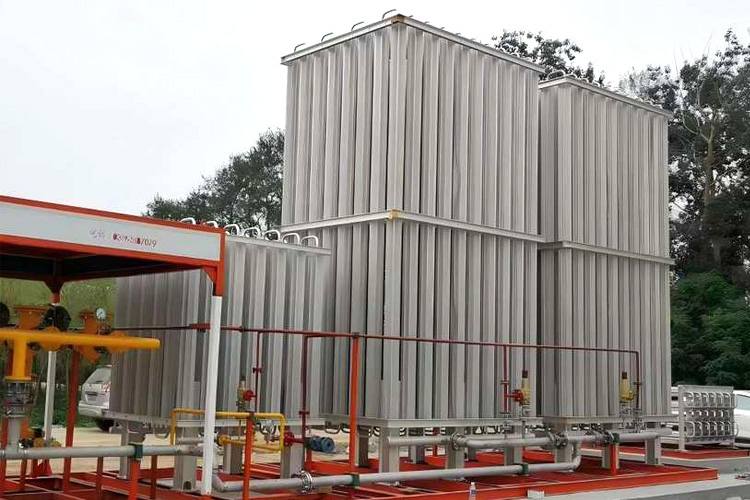
For enterprises with long-term and stable gas usage requirements, a qualified liquid nitrogen vaporizer not only can reduce the operating costs of the entire gas supply system, but also can avoid potential safety hazards such as pipe cracking and seal failure caused by the direct output of cryogenic liquids.
If you are selecting and adapting a liquid nitrogen vaporizer for your production line, or encounter unstable gas supply from existing equipment and rapid frosting, you can contact the technical team at Zhuoyue to get customized gas solutions.