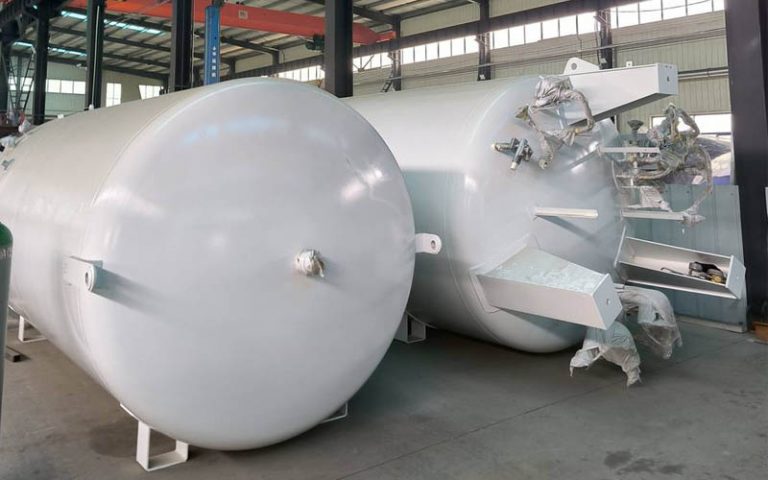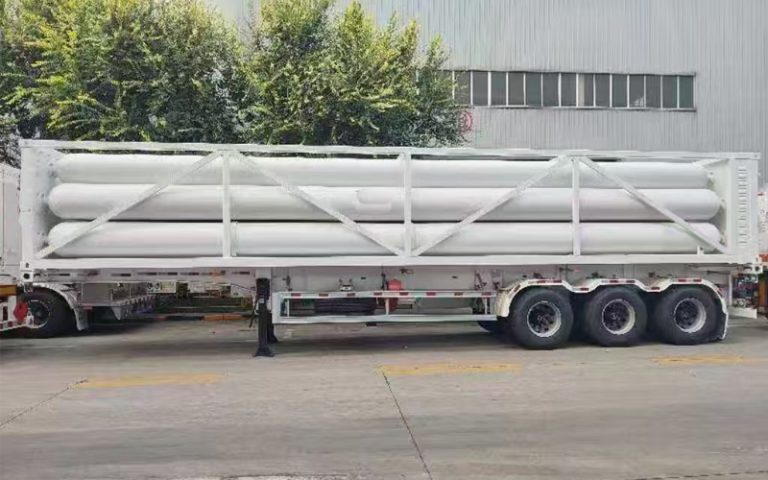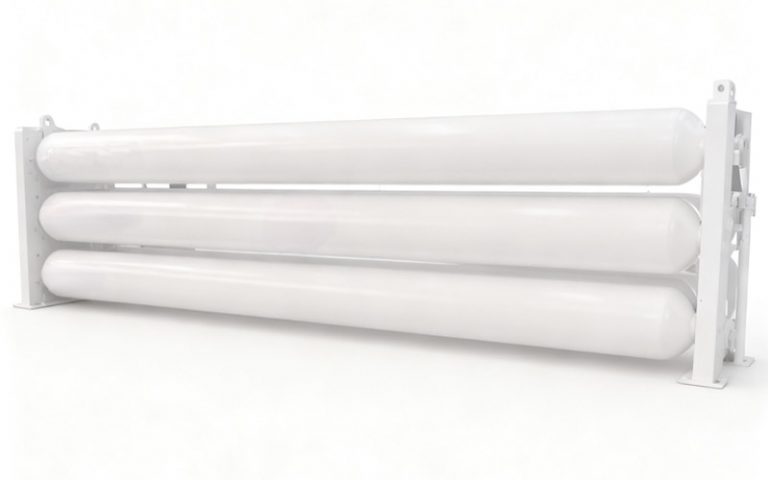

LNG storage tanks are crucial facilities in the LNG supply chain, designed to safely store fuel at -162°C. The main types include membrane type, independent C-type, spherical (MOSS), fully enclosed, and flat-bottomed cylindrical tanks, each with its own characteristics.
Membrane storage tanks Utilizing 0.7–1.2mm thin metal membranes (such as Invar) as the primary and secondary barriers, they are supported by an insulating layer and the main structure. The space utilization rate is as high as 98%, suitable for large LNG ships and land-based stations with limited space, featuring high scalability and long-term reliability.
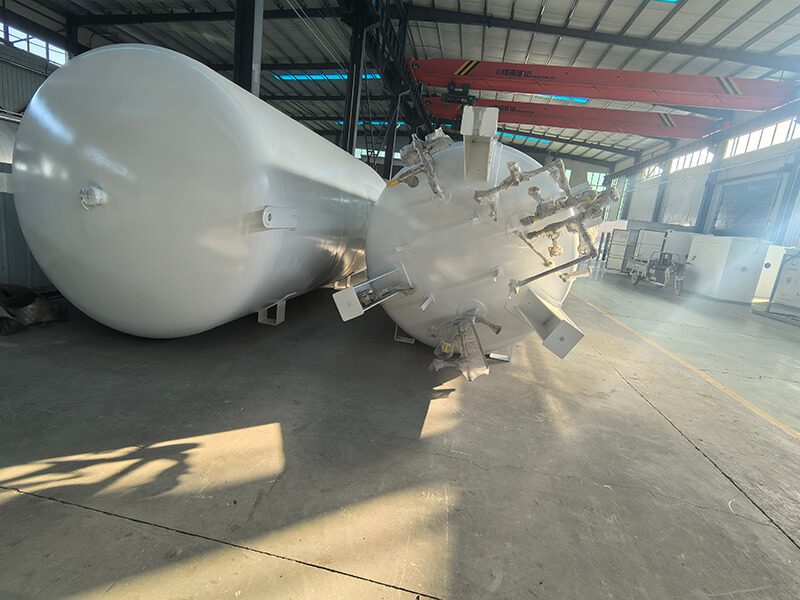
Independent C-type tank A self-supporting pressure vessel, mostly cylindrical or spherical in shape, with a pressure capacity of up to 16 bar. It is made of high-strength steel. The structure is simple and deployment is quick. It is widely used in LNG refueling ships, coastal distribution, and energy supply for offshore platforms.
Spherical (MOSS) tank With its distinctive spherical design, the thick steel shell (50–100mm) ensures strength. The surface volume ratio is small, the evaporation rate is low, maintenance is minimal, and it is commonly found on LNG ships and some shore facilities built between 1970 and 1990. It still has operational value.
All-inclusive tank Double-layer structure, consisting of an inner steel tank and an outer concretesteel tank. The interlayer is equipped with insulation and leakage monitoring. It has extremely high safety standards, meeting strict requirements such as NFPA and API, and is used in large importexport terminals and strategic reserves.
Flat-bottomed cylindrical tank Vertically cylindrical shape, with a flat bottom equipped with a fixed or floating top, operating at near normal pressure. Low construction cost, easy maintenance, suitable for small terminals, peak regulation stations and satellite distribution nodes, supporting modular expansion.
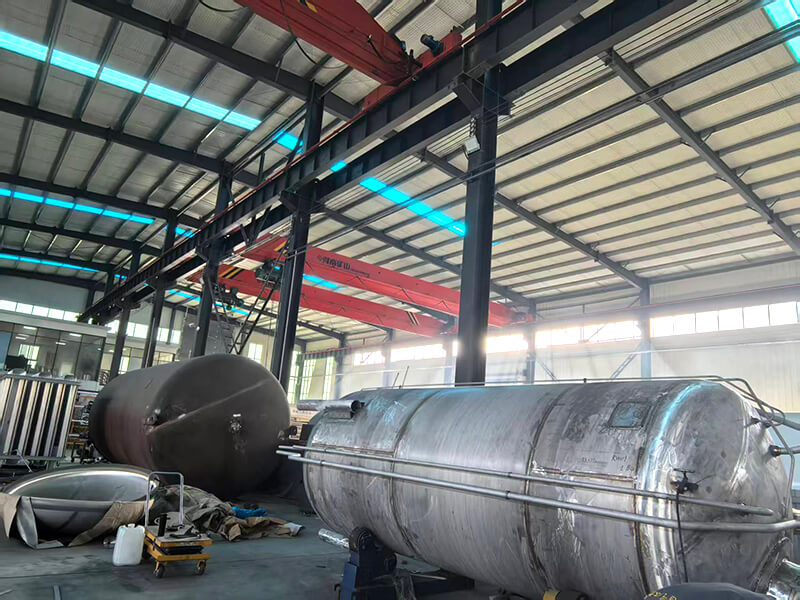
The selection process should take into account factors such as scale, safety, cost and location. Membrane and fully enclosed types are suitable for large-scale projects; C-type and flat-bottom tanks are suitable for smaller scenarios; MOSS tanks continue to be used in aging systems. Future advancements in materials and design will continuously enhance the efficiency of LNG storage and transportation.