
Liquid oxygen storage tanks, as key equipment for storing cryogenic liquid oxygen, are widely used in industrial, medical and scientific research fields. Its safe placement and operation are of vital importance, directly related to personnel safety and the stable operation of equipment. This article will elaborate in detail on the safety placement requirements of liquid oxygen storage tanks, covering site selection, structural design, maintenance operation and emergency measures, to ensure compliance with industrial safety standards.
1.Site selection and placement: Keep away from potential risk sources
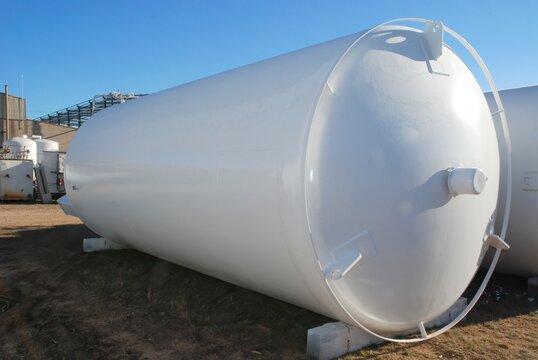
Liquid oxygen storage tanks should be prioritized to be placed in a dedicated safety area near the air separation unit, ensuring they are kept away from fire sources, heat sources and flammable materials. This site selection strategy can effectively reduce the risks of fire and explosion, while also facilitating monitoring and maintenance. For instance, in chemical plants, storage tanks should be independent of the production area and avoid being adjacent to chemical warehouses.
2.Tank structure design: Insulation and material selection
2.1 Powder vacuum insulated type
The inner cylinder is made of stainless steel with excellent low-temperature performance, while the outer cylinder is made of carbon steel. The interlayer is filled with perlite insulation material and evacuated to 3Pa. This design significantly reduces heat conduction and prevents overpressure caused by the intense evaporation of liquid oxygen. Regular monitoring of the vacuum degree of the interlayer is a key maintenance measure.
2.2 Pearlescent sand insulation type
The inner cylinder is made of high-strength alloy aluminum, the outer cylinder is made of carbon steel, and the interlayer is filled with perlite of sufficient thickness. Additional foam glass bricks or slag wool are used at the bottom to enhance the insulation effect and prevent heat loss under low-temperature conditions. The basic design needs to be waterproof, frost-resistant and adaptable to extreme environments.
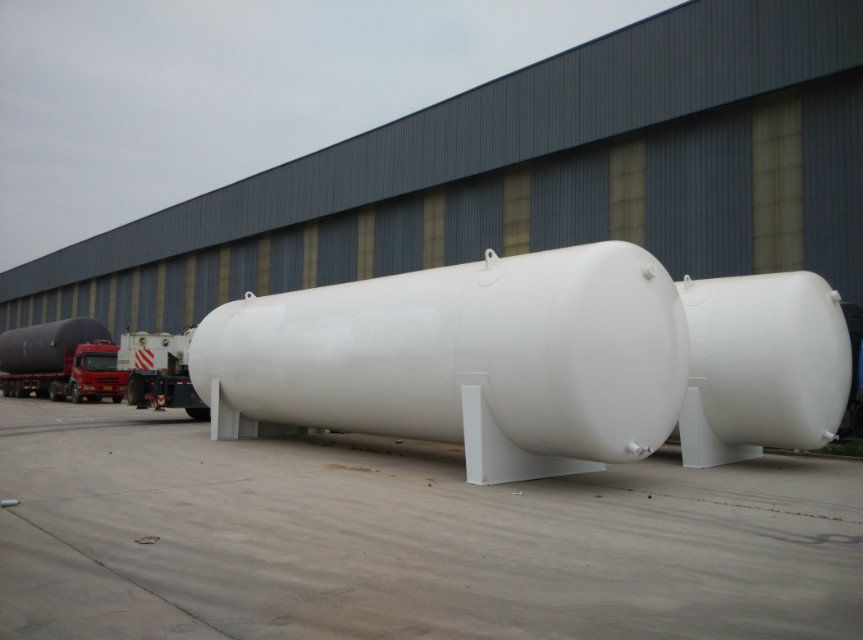
3.Manufacturing and Maintenance: Ensure airtightness and safety
3.1 Inner wall treatment and welding
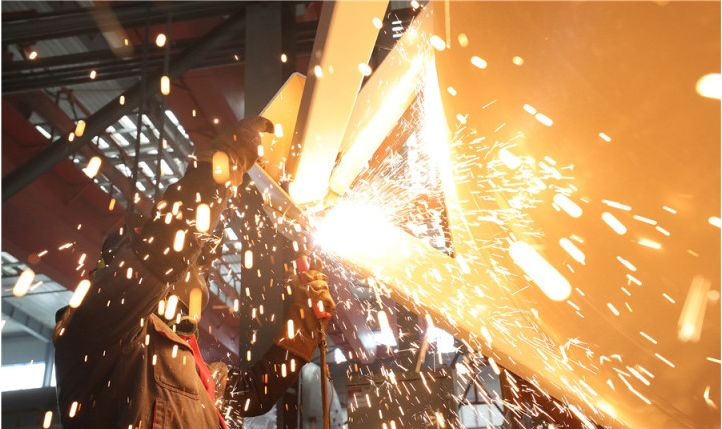
The inner wall needs to be thoroughly degreased with carbon tetrachloride to remove any residual grease. Due to the characteristics of stainless steel or alloy aluminum inner cylinders, argon arc welding is the preferred method to ensure a firm weld seam and no leakage.
3.2 Strength and air tightness test
Both the inner and outer cylinders need to undergo strict strength tests and air tightness tests to verify their pressure-bearing capacity and sealing performance. This is the core step in preventing leakage and structural failure.
4.Operating Specifications: Prevent overpressure and leakage
4.1 Overpressure operation is strictly prohibited
Liquid oxygen storage tanks must never be operated under overpressure to avoid explosion or equipment damage. Operators must strictly abide by the pressure limits and be equipped with automatic pressure relief devices.
4.2 Reduce the loss of cooling capacity
For powder vacuum insulated storage tanks, it is crucial to regularly monitor the vacuum degree of the interlayer and the tank pressure. When necessary, enhance the insulation performance by vacuuming to prevent the evaporation of liquid oxygen from getting out of control.
4.3 Thermal insulation maintenance of perlite
The interlayer of perlite sand needs to be fully filled and dried with nitrogen to enhance the thermal insulation effect. Avoid material collapse or moisture to ensure long-term stability.
5.Safety Monitoring: Prevent acetylene accumulation and leakage
5.1 Acetylene concentration control
The evaporation of liquid oxygen can lead to an increase in acetylene concentration, which may accumulate and precipitate and cause an explosion. It is recommended to adopt the “charge and use simultaneously” strategy and update liquid oxygen regularly. Analyze the acetylene content every week. If it exceeds the standard, immediately empty it.
5.2 Leakage Prevention Measures
Liquid oxygen leakage may frostbite people or damage facilities. When operating, protective equipment must be worn and an isolation area should be set up around the storage tank. Emergency response to leakage includes quickly closing the valve and using dedicated adsorption materials.
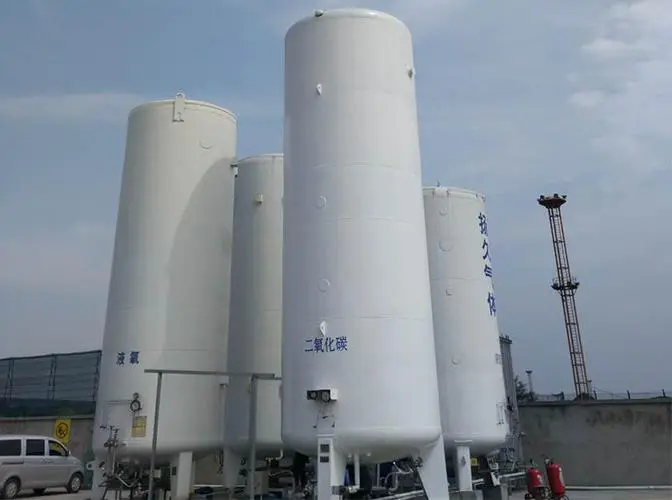
6.Environmental Control: Maintain positive pressure and prevent moisture
6.1 Principles of Positive Pressure Operation
The storage tank should be maintained under positive pressure to prevent the intake of moist air, which may cause freezing and blockage. Before use, it is necessary to blow and brush with dry nitrogen to remove the internal moisture and ensure a dry environment.
6.2 Explosion-proof Requirements for Electrical Equipment
Oxygen has strong magnetism and is prone to generating ozone under the effect of discharge, thus becoming an ignition source. No open flames or electric sparks are allowed within 30 meters around the storage tank. Explosion-proof electrical appliances must be used. For instance, lighting and instruments must comply with explosion-proof certification standards.
7.Instrument calibration: Ensuring the reliability of the monitoring system
Key instruments such as pressure gauges, vacuum gauges, liquid level gauges, alarm systems and safety valves need to be calibrated regularly to ensure accuracy and sensitivity. The verification frequency should be adjusted according to the usage environment. For instance, in industrial scenarios, monthly checks may be required.
Summary
The safe placement of liquid oxygen storage tanks involves comprehensive measures such as site selection, structural design, maintenance operation and emergency response. By following the above guidelines, risks can be significantly reduced and the safety of personnel and equipment can be guaranteed. For specific application scenarios, it is recommended to consult a professional security agency to customize a solution.