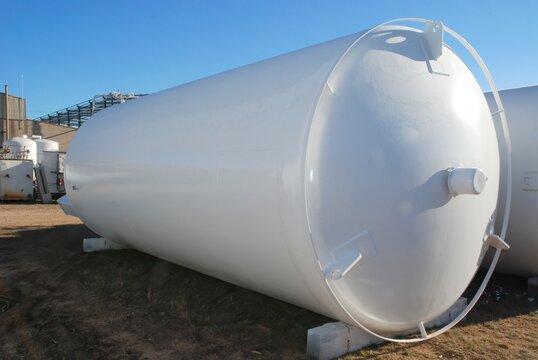


The best way to select a nitrogen storage tank for maintenance will be shared with us today!
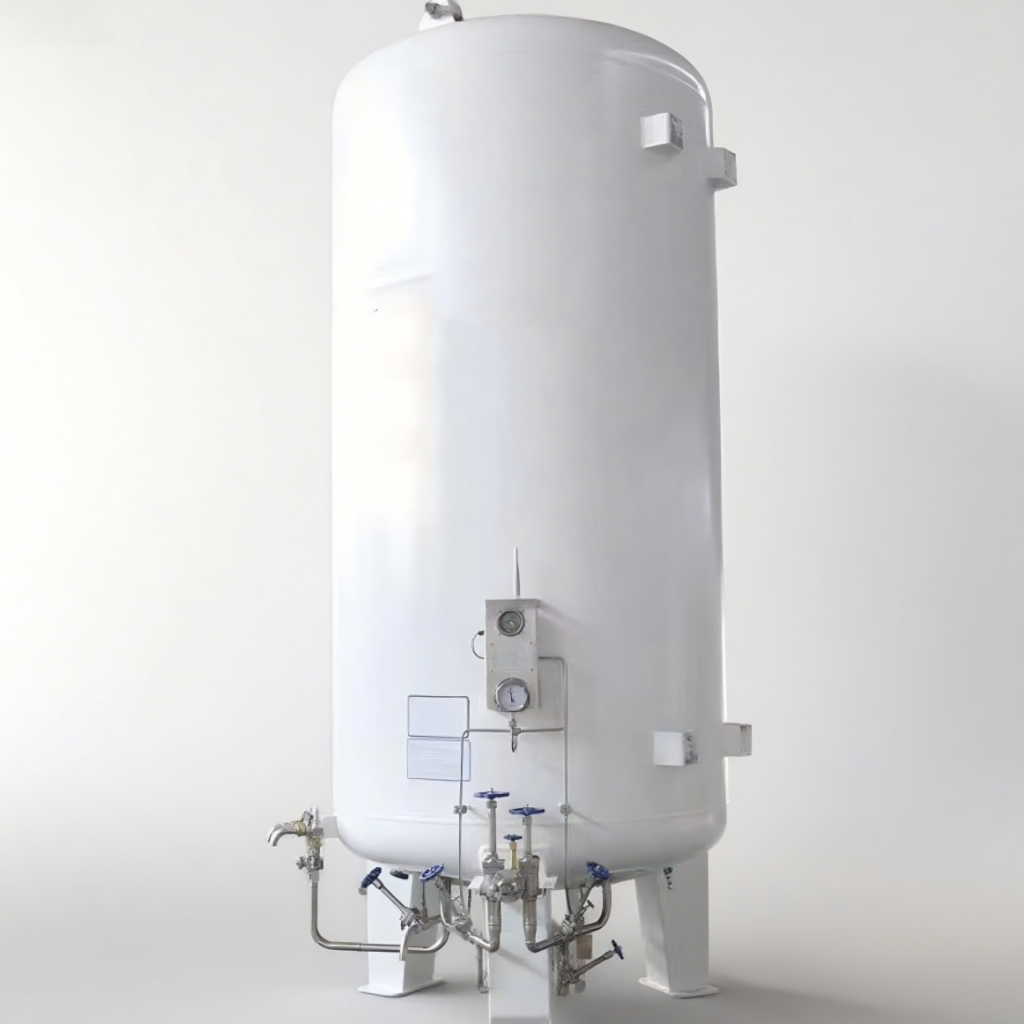
- The installation site of the nitrogen storage tank should have an outlet for ventilation. It is generally advisable to install it outdoors, with a gate around, and there should be no open flames, flammable or explosive substances, or low-lying areas within 5 meters; the nitrogen storage tank.
- Our nitrogen tanks need proper grounding for static and lightning. Grounding resistance for static should stay under 10Ω. Lightning protection resistance should be 30Ω or less. Test these yearly.
- Don’t fill the nitrogen tank past 95%. Overfilling is not allowed.
- The pressure gauge should prevent oil, and be regularly calibrated; the safety valve must be made of stainless steel or copper, and be tested regularly, and be thoroughly de-oiled.
- If the valves, surfaces, or pipes on the machine freeze, use 70-80℃ nitrogen, air, or hot water to thaw them out. Don’t ever use a direct flame to heat them.
- If there’s still liquid in the nitrogen tank, don’t try to weld anything. You need to let it warm up to room temperature first before you start any repairs.
- Operators must undergo professional training and pass the examination before they can work. Do not wear clothing with oil stains or static electricity effects, and do not wear shoes with nails. When opening and closing valves during operation, do it slowly. When stopping, close the pressure valve tightly.
- Regularly (for example, every 15 days, analyze the acetylene concentration in the nitrogen, and control the concentration below 0.1×10⁻⁶; otherwise, discharge the nitrogen.
- When storing nitrogen in a sealed manner, it is necessary to have someone monitor the pressure, and it must not exceed the pressure.
- Nitrogen is not allowed to splash onto unprotected skin to avoid serious frostbite.
- When the liquid nitrogen in the nitrogen storage tank has been emptied and cannot be heated immediately, it is necessary to immediately close all valves. Since it gets super cold inside the tank, humid air can sneak in through the pipes, which can then freeze and clog things up.
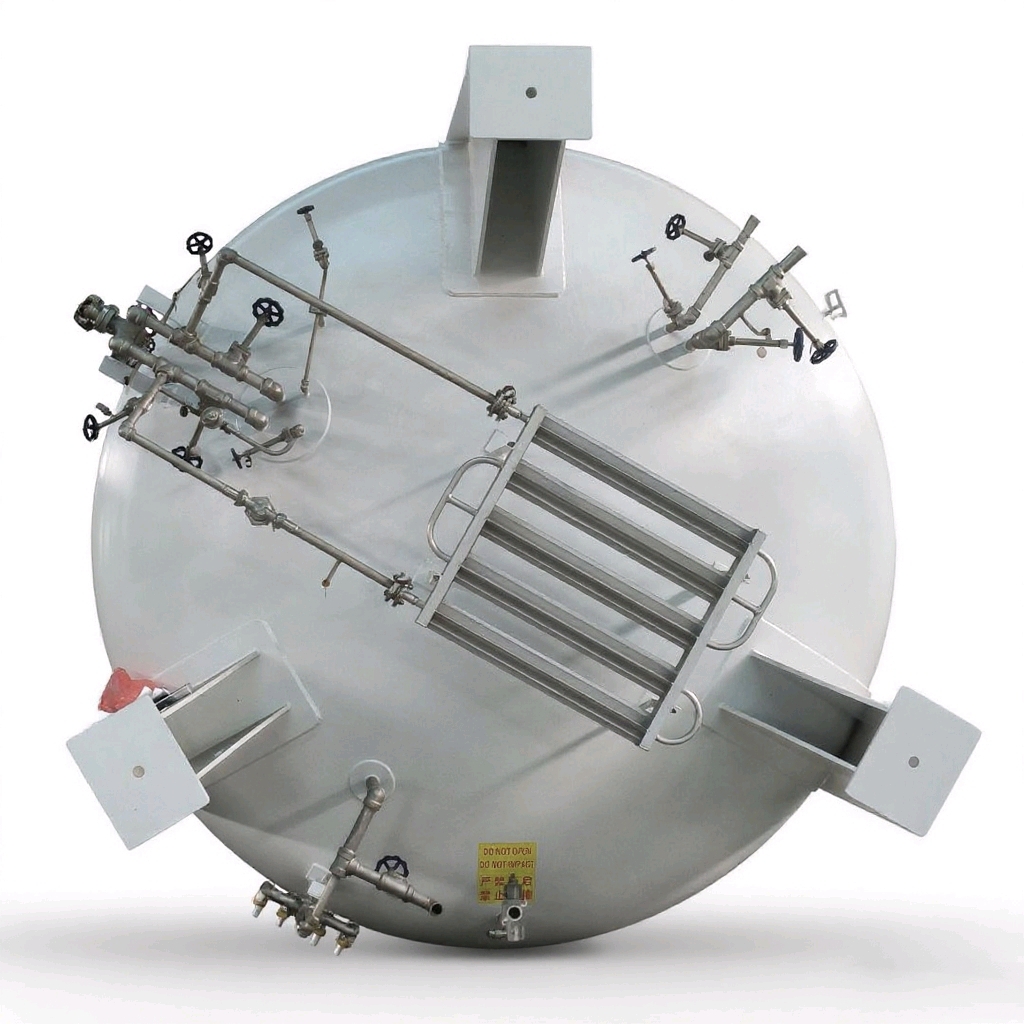
The above are the precautions for the use of liquid nitrogen storage tanks. If you want to learn more about liquid nitrogen storage tanks, please consult the professionals of Excellent Gas Equipment through the website. We will answer your questions as soon as possible.