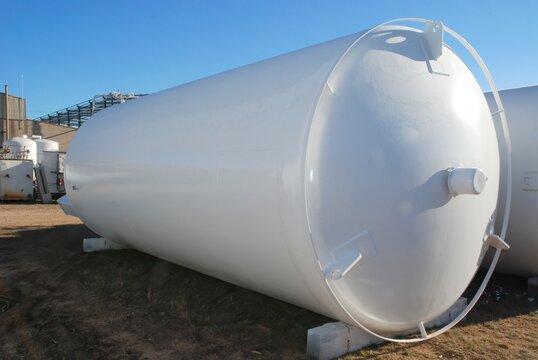

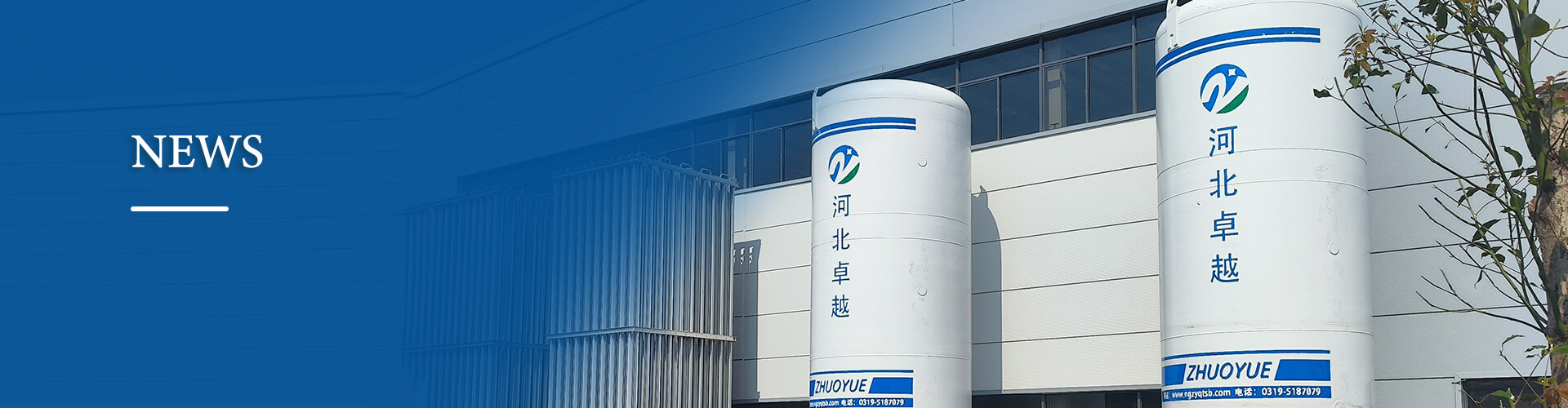
The unit price of liquid oxygen is not high, but when transporting 1 ton of liquid oxygen from the air separation unit to the usage point, there is often an evaporation loss of more than 10%. In addition, due to the accumulation of hydrocarbons, there is a risk of complete tank failure. The hidden costs are even more terrifying than the purchase price. To truly save money with “low-temperature liquid oxygen storage tanks”, it is necessary to turn “safety redundancy” into “economic redundancy”. The following 7 tips will help you save the cost of liquid oxygen storage.
1.Two-level management of liquid level
Divide the working liquid level of the storage tank into the “high safety zone” and the “economic circulation zone”. The high safety zone should be ≥ 30% of the tank capacity to ensure that the pump inlet does not experience cavitation; the economic circulation zone should be ≤ 80% of the tank capacity to leave a reserve for emergency discharge. Fill the tank at fixed times each day instead of refilling only when it runs dry”, which can reduce the evaporation rate from 1.2% to 0.6%.
2.Acetylene “Weekly Inspection + Monthly Cleaning
The domestic standard for acetylene testing is once every two weeks. However, the cost-saving approach is to conduct “weekly inspections”. When the acetylene concentration reaches ≥ 0.1×10⁻⁶, the monthly cleaning” procedure is initiated: the bottom 5% of liquid oxygen is recovered through a Venturi tube back to the gasifier, which not only removes the concentrated hydrocarbons but also produces 500 Nm³ of oxygen for free.
3.Continuous filling replaces “dead storage
If liquid oxygen is left to stand for more than 15 days, acetylene and methane will separate and accumulate. The “user – storage tank – tanker” three-point cycle is adopted: when the tanker delivers the liquid, it first discharges the bottom low-temperature residual liquid, then fills in the new liquid, completing one “tank transfer”. This can reduce the need for full tank emptying 3 times throughout the year.
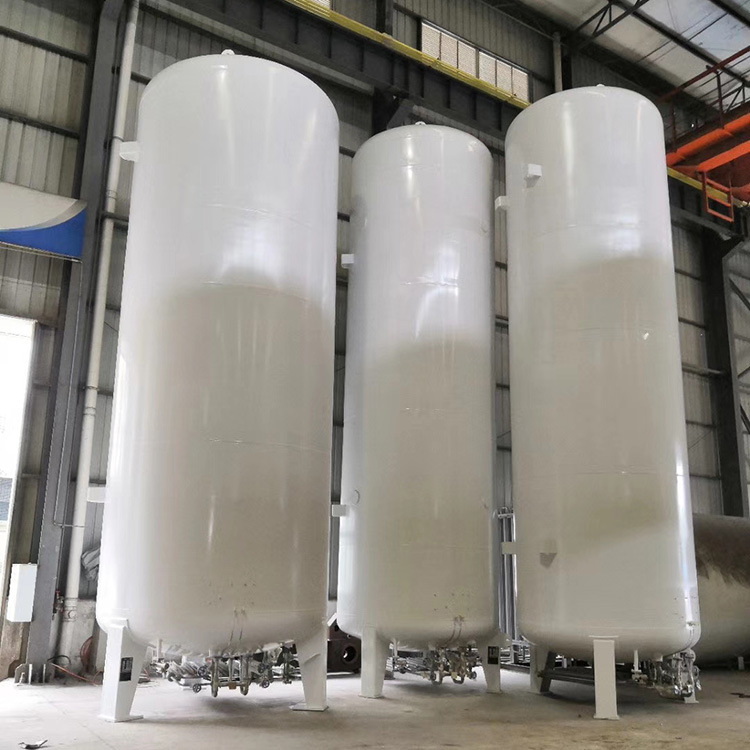
4.Vacuum Valve “Micro Positive Pressure” Modification
For every 1 Pa decrease in the vacuum level of the tank’s inner layer, the daily evaporation rate increases by 0.05%. By replacing the ordinary vacuum valve with a regulating valve with a 0.2 kPa micro-positive pressure, 90% of the humid air backflow can be reduced. After five years, the vacuum level attenuation will decrease from 10 Pa to 2 Pa, which is equivalent to saving the cost of using one more vacuum pump for pumping out the air.
5.Spray water pressure reduction instead of venting
During the summer heat, the pressure inside the tank approaches the threshold for the safety valve to activate. The conventional method is to open the vent valve and directly discharge the gas. By installing a spray water pipeline and spraying 5℃ cold nitrogen or liquid oxygen at a low flow rate onto the top of the tank, the pressure can be reduced by 0.05 MPa within 10 minutes. This avoids the loss of 300 kg of liquid oxygen during a single venting operation.
Conclusion
The core of saving costs in liquid oxygen storage tanks can be summed up in one sentence: Make each ton of liquid oxygen move quickly, be inspected frequently, and be discharged accurately. By converting safety indicators into a dynamic economic model, the “money that must be spent” can be transformed into “money that can be recovered”.