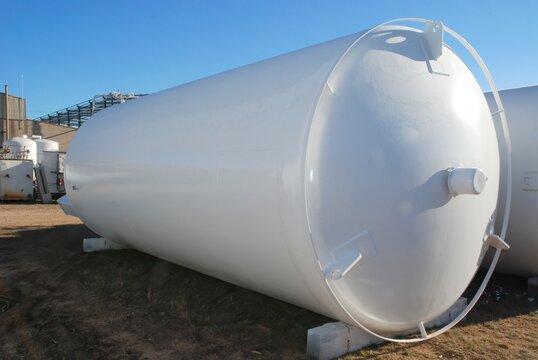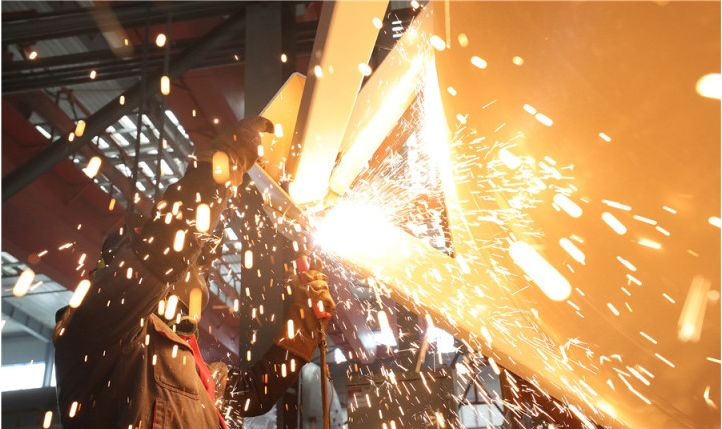


Cool natural gas to –162 °C and it shrinks 600 times, becoming LNG. To keep it liquid for weeks or months you need a “giant thermos”—a cryogenic storage tank.
1.Two Walls, One Job
Inner shell: thin nickel or stainless steel, flexible enough to shrink when LNG enters and expand when it leaves, without cracking.
Outer shell: reinforced concrete that takes wind, quakes and bumps.
In between: insulation like foam glass or perlite that locks the cold in and the heat out.
2.Three Tasks for the Insulation
Cut boil-off, save product
Soak up thermal stress so the walls don’t split
Hold the inner shell in place while letting it breathe
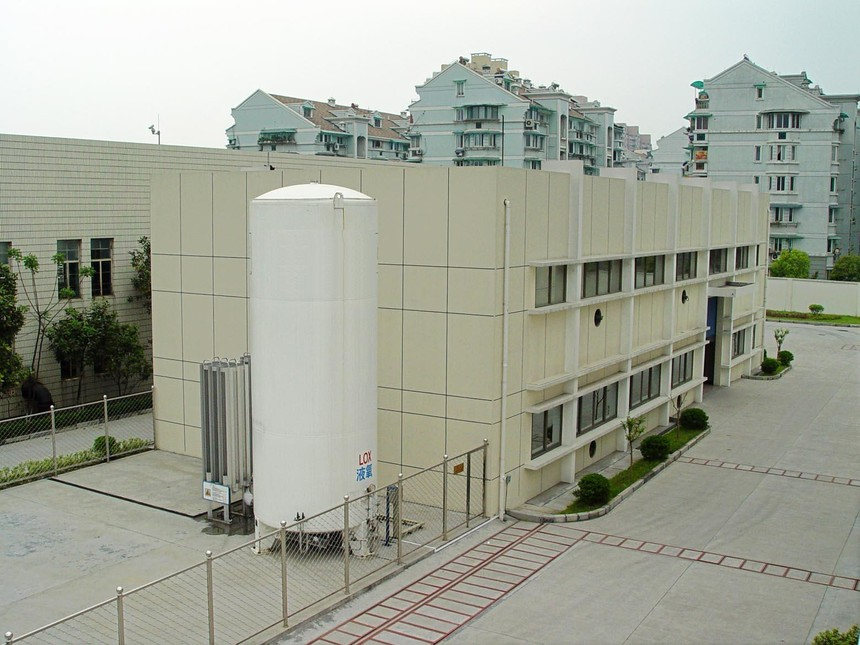
3.Why We Leave a “Breather Zone”
Every fill/empty cycle squeezes the powder insulation tighter. Next to the inner wall we add an elastic mat that acts like a cushion, giving the steel room to move and preventing tears.
4.Simple Upkeep
Check vacuum level, wall temperature and outer safety layer on schedule—your tank can run safely for decades.
Bottom line
An LNG tank is more than a metal can; it’s a careful blend of cryogenic steel, insulation and structural design. Pick the right tank and your LNG stays liquid, your supply chain stays smooth.