
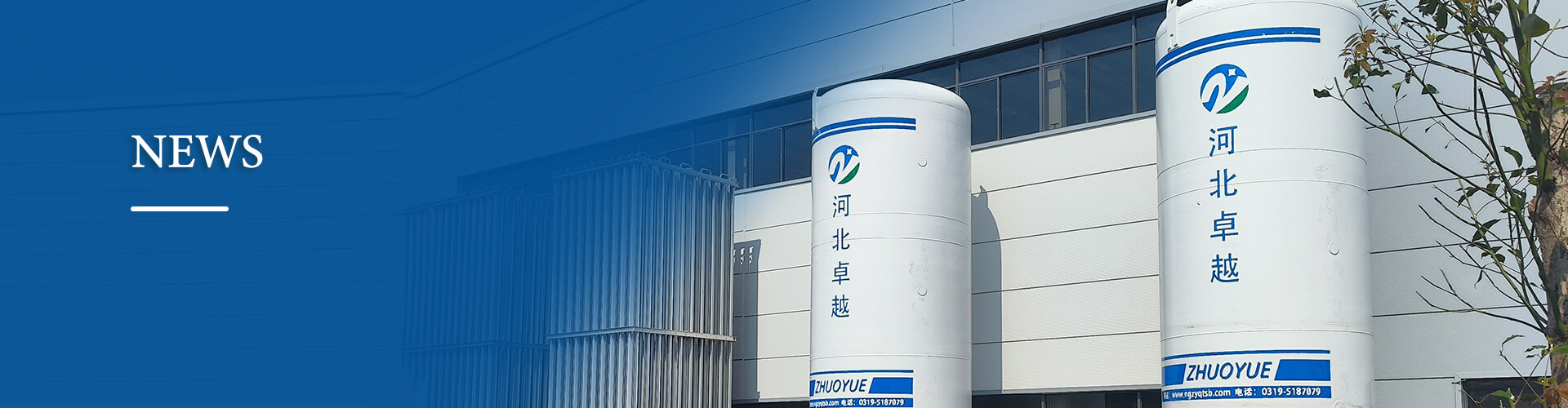
Picking the right stuff for tanks that hold super-cold liquids is really important.
The quality of the steel pretty much decides how good these tanks are. There are three main kinds of steel used, depending on how cold things get:
●If it’s only getting down to -40℃, regular low-carbon steel (with less than 0.25% carbon) usually works.
●For temperatures between -40℃ and -196℃, they often go with medium-nickel steel or chromium-nickel austenitic steel.
●When it’s REALLY cold, like between -196℃ and -273℃, chromium-nickel austenitic steel is the usual choice.
Some common steels you’ll see are 16MnDR, 15MnNiDR, 09Mn2VDR, 09MnNiDR, 06MnNbDR, and different nickel-based steels like 1.5Ni, 2.5Ni, 3.5Ni, 5Ni, and 9Ni.
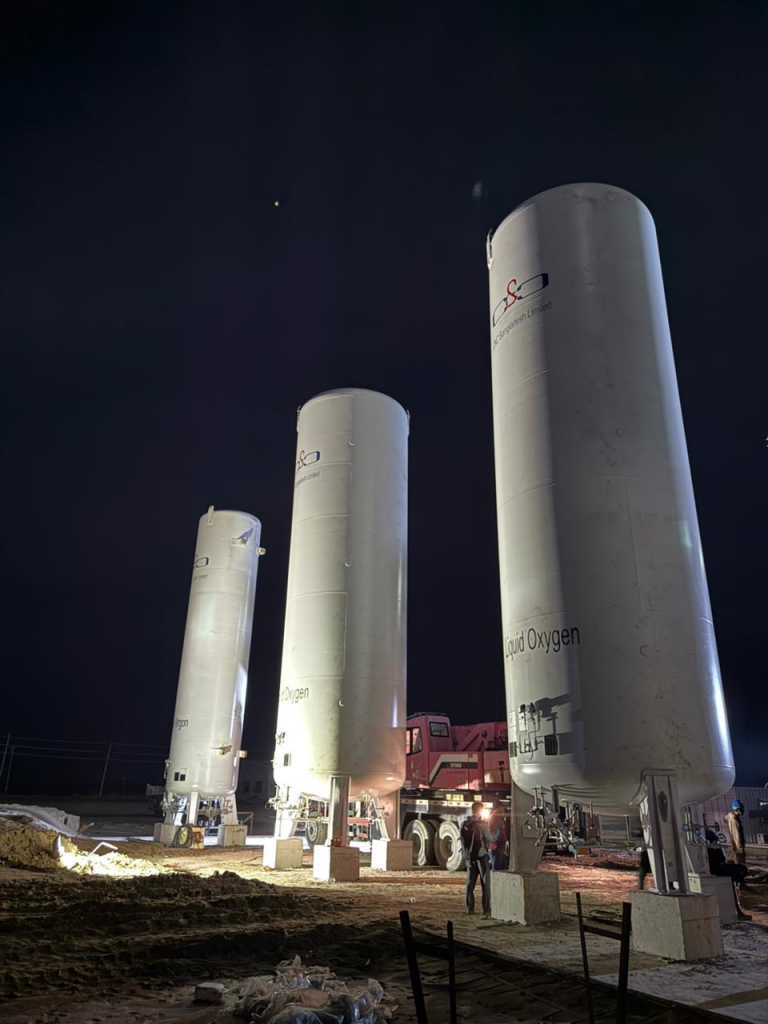
The big worry with these steels is that they can crack if they get too cold. If the steel’s colder than its brittle transition temperature and there’s a sharp nick or flaw, it can break even if there’s not much stress. These breaks can happen suddenly and be a disaster. So, here’s what we do to prevent that:
1.Getting the steel:First, we find a good supplier that we trust. We have rules about how the steel is made, what’s in it, how it’s put together inside, and how it’s heated. This makes sure the steel is up to the job. For welding, we pick rods that are like the steel we’re welding and use a special flux that’s either alkaline or neutral.
2.Checking the steel:When the steel shows up, we test it to see how it handles the cold. For certain tanks, we do a bunch of tests to check what’s in it, how strong it is at normal temperatures, how it handles the cold, and to look for any hidden flaws. The welding stuff also gets tested to make sure it can handle the cold, and the rods are checked for moisture.
3.Keeping track of everything:We have a system for handing out, keeping up with, and managing the steel. The steel and welding rods are kept in separate places by people who know what they’re doing. They make sure nothing gets mixed up with regular steel.
We write down every time steel comes in or goes out of the storage. Leftover pieces get marked and moved. We protect the steel from getting bumped or scratched. Instead of stamps, we use paint to mark it. Parts that have already been shaped are stored carefully on supports.
The welding rod storage area follows the rules, and we keep records. Before using them, the rods are dried at a specific temperature for a certain time, and then kept in a warm oven.
Those are some of the key things to remember when picking materials for cryogenic storage tanks. Got questions about cryogenic storage tanks? Get in touch through our website, and we’ll get back to you ASAP.