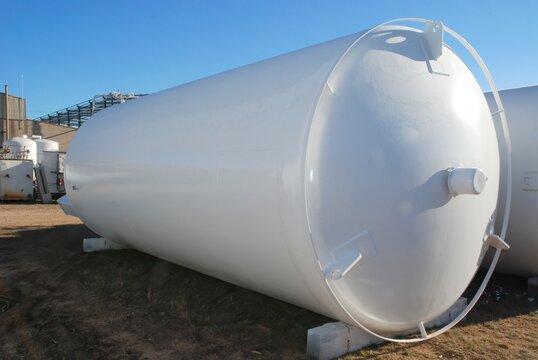


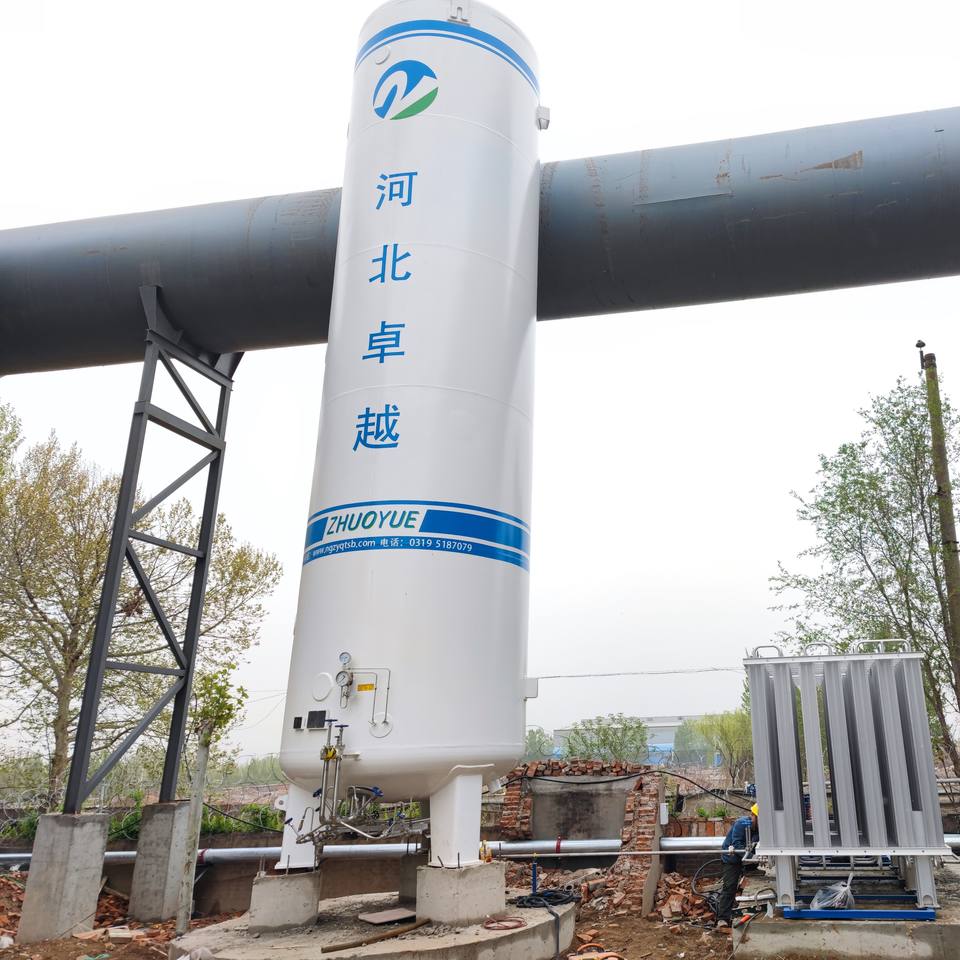
The maintenance of liquid argon storage tanks does indeed require special attention to pre-cooling and daily upkeep. Let me help you sort out the key steps and precautions.
Core maintenance steps :
1.Pre-cooling operation : Before the first use, add a small amount of liquid nitrogen for pre-cooling. When the temperature inside the tank approaches that of the liquid nitrogen (-196℃), fill the tank with liquid nitrogen to avoid damage to the equipment caused by thermal shock.
2.Daily inspection : Regularly inspect the sealing of the storage tank, the status of the valves and the indications of the instruments to ensure there is no leakage and normal operation.
Cleaning and storage : After use, keep the tank dry and store it in a well-ventilated environment to avoid moisture and corrosion.
3.Safety and operational details :
Handle with care : Avoid collision or dragging when moving to prevent damage to the tank.
Valve maintenance : Clean the ice on the neck plug in time to maintain sealing and avoid excessive consumption of liquid nitrogen.
Regular replenishment : When stored for a long time, it is recommended to keep the remaining liquid nitrogen at about 1/3 of the total capacity and replenish it in a timely manner.
Emergency handling :
If frost forms on the tank or abnormal consumption of liquid nitrogen is found, it may indicate a decline in insulation performance. It is necessary to stop using it immediately and contact professional maintenance.
Liquid nitrogen splashing onto the skin can cause frostbite. Protective equipment must be worn during operation.
Other notes :
Liquid argon storage tanks are only used for holding liquid nitrogen, liquid oxygen and liquid argon. It is strictly prohibited to mix them with other liquids.
The vehicle speed is recommended not to exceed 30km/h during transportation, and severe vibration should be avoided.
If you have more specific operation scenarios or questions, you can tell me at any time and I will help you provide further answers.