

2026 Guide to cryogenic Storage Tank Materials: A Comparison of Stainless Steel and Aluminum in Extremely Cold Environments
Which material should be chosen for the cryogenic storage tanks that store liquid nitrogen, oxygen or liquefied natural gas? The choice of material is crucial for safety and economy. By 2026, aluminum and stainless steel will dominate the market. Although they perform well at temperatures as low as -196°C (-321°F), their unique properties enable them to be applicable in various different scenarios.
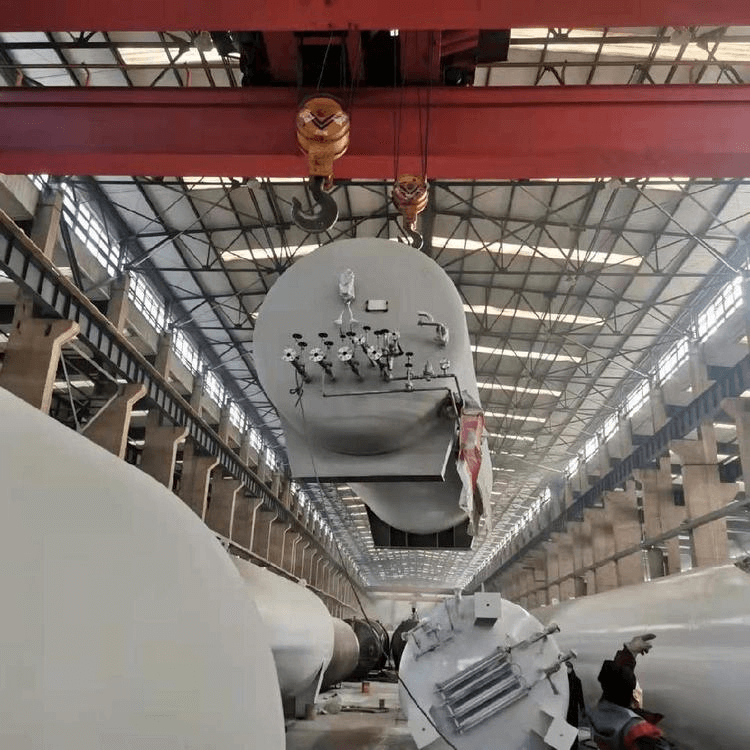
The Importance of Material Selection
In low-temperature environments, standard metals may lose their tensile strength, become brittle or suffer structural damage. However, choosing the right materials can prevent leaks and major accidents, and also optimize weight, corrosion resistance and maintenance costs in industries such as aerospace, healthcare and energy.
Stainless steel: The main material for durability and strength
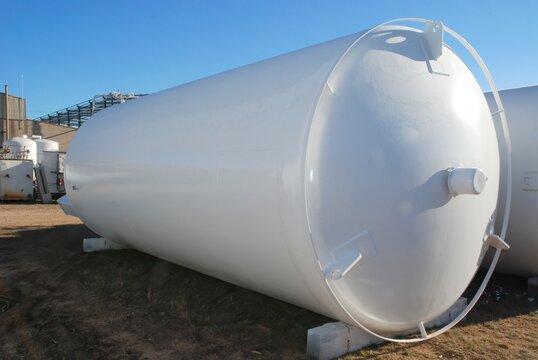
Stainless steel (particularly grades such as 304L, 316L and 904L) has always been the industry standard material for large-scale and high-pressure storage applications.
Main advantages
Outstanding durability: Its excellent shock resistance and toughness make it highly suitable for industrial environments subjected to physical stress. It has extremely strong resistance to chemicals and corrosion caused by moisture.
Its high-pressure capability makes it ideal for pipeline transportation and fixed large-capacity storage, as it can withstand an internal pressure of up to 300 bars.
Long-term value: Although the initial cost is high, its 20-year lifespan and low maintenance requirements result in an extremely high return on investment.
Restriction
Weight: It is much heavier than aluminum, which leads to an increase in transportation costs and limits its application in the field of mobility or aviation.
Heat conductivity: It has low heat conductivity, so stronger insulation measures are required to prevent heat from penetrating, which may increase the capacity of the storage tank.
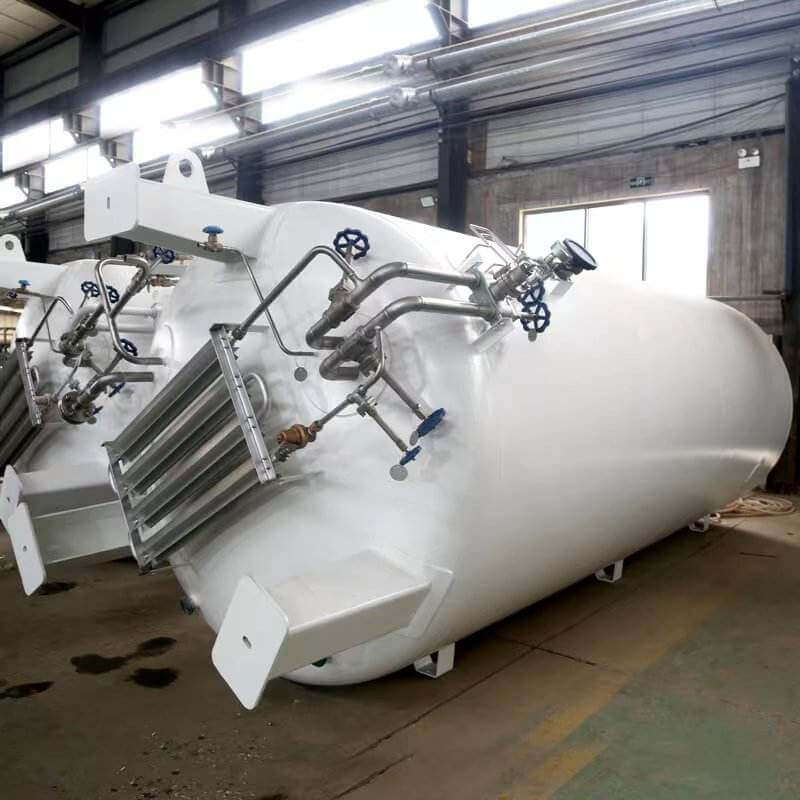
Aluminum, an innovative lightweight material.
When it comes to weight reduction, aluminium is the favored material, particularly the 5083 alloy and the new aluminium-lithium alloy.
Main advantages:
Weight reduction: It weighs about one-third as much as stainless steel and is appropriate for airplanes, satellites, and mobile medical equipment, reducing fuel consumption and increasing carrying capacity.
Outstanding thermal performance: High thermal conductivity improves temperature maintenance efficiency and allows for lighter insulating layers.
Low-temperature toughness: Unlike many metals, aluminum gains strength at low temperatures, eliminating the potential of brittleness. Furthermore, it is nonmagnetic, which is critical for precision electronic applications and nuclear magnetic resonance imaging (MRI).
Restriction
Lower tensile strength: It is less suitable for large fixed storage tanks or ultra-high pressure systems. It is more prone to deformation when subjected to strong impacts.
Corrosion risk: Even if the material itself has an oxidation protection function, it may still corrode in saltwater or extremely acidic environments if it does not have appropriate coatings and maintenance measures in place.
Summary Speech
By 2026, the choice will be clear: aluminium will be used for lightweight and high-performance mobile devices, while stainless steel will be used for sturdy and high-pressure industrial storage. Understanding these trade-offs will help you build a safe, efficient and cost-effective low-temperature infrastructure.
Do you need professional guidance?
Are you unsure which material is the best for your specific project? Please contact Zhuoyue Gas Engineering team, and we will provide you with personalized consultation and quotations.