
Choosing the correct vaporizer is essential to your LNG station’s profitability. The poor decision raises operational costs (OPEX) and increases the chance of supply failure during harsh weather. Two technologies are dominant: Ambient Air Vaporizers (AAV) and Water Bath Vaporizers (WBV).
At Zhuoyue Gas Equipment, we help global clients choose wisely. Here is your quick guide.

How They Work
1.Ambient Air Vaporizer (AAV).
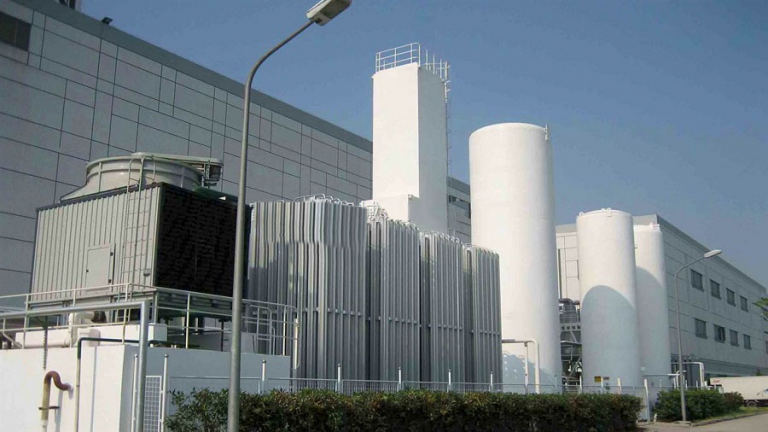
The mechanism is based on natural convection. Cryogenic LNG (-162°C) flows through metal fins, absorbing heat from the ambient air and vaporizing.
Energy is zero. It makes advantage of free, ambient air. There is no need for fuel or power.
The main advantage is that it is passive and does not incur any operating costs.
2.The Water Bath Vaporizer (WBV)
Mechanism: an active heater. LNG coils are placed in a water tank heated by a gas burner or electric element.
Energy: High. Needs continuous fuel (gas/diesel) or electricity.
Key advantage: Consistent production regardless of outside conditions.

5 Key Comparative Factors
1.In terms of operational costs (OPEX), AAV is the winner. Energy cost is $0. Maintenance is low (visual inspections).
WBV: Expensive. Fuel prices remain constant, as do pump electricity and water treatment costs.
Verdict: AAV saves thousands of dollars each year.
2.Climate Performance.
AAV works effectively in most climates. In extreme humidity, frost can accumulate, however contemporary designs naturally shed ice. In extreme cold (<-20°C), output may be partially reduced unless enlarged.
WBV is unaffected by weather. Ideal for arctic or severely humid beaches, where AAV may struggle.
Verdict: WBV for extreme cold, AAV for 90% of worldwide sites.
3.Initial Cost (CAPEX)
AAV: Lower upfront cost. Simple structure (fins + pipes).
WBV: Higher cost. Complex system (tank, burner, pumps, controls).
Verdict: AAV offers faster ROI.
4.Safety & Environment
AAV: Safest. No flame, no emissions, silent operation. Perfect for eco-zones.
WBV: Involves open flames or high voltage. Requires strict safety setbacks and emission monitoring.
Verdict: AAV aligns better with ESG goals.
5.Installation
AAV: Easy. Bolt down and connect pipes. No utility hookups needed.
WBV: Complex. Needs fuel lines, electrical connections, and exhaust vents.
Verdict: AAV is faster to deploy.
Conclusion
For most LNG stations, the Ambient Air Vaporizer (AAV) is the smart investment. It offers zero energy costs, low maintenance, and superior safety. Choose a Water Bath Vaporizer only if you face extreme arctic conditions or strict height restrictions.
Need Expert Advice?
Don’t guess with your infrastructure. Zhuoyue Gas Equipment provides custom engineering solutions.
✅ Free Feasibility Study & ROI Analysis
✅ ASME/ISO Certified Manufacturing
✅ Global Shipping & Support
[Contact Zhuoyue Today] for a tailored quote. Let’s optimize your LNG station together.