
Compressed natural gas (CNG) is stored in cylinders at a high pressure of 200–300 bar, whereas engines require gas at a low pressure of only 0.5–1 bar. The function of the pressure regulator is to reduce the high-pressure gas in stages, ensuring a stable gas supply and guaranteeing the safe and efficient operation of the engine.
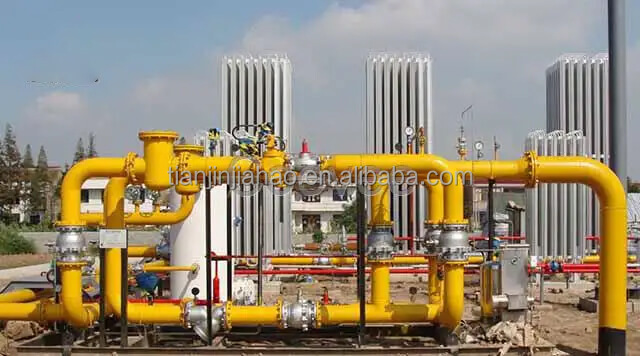
The regulator primarily consists of the following components:
Inlet filter: Filters impurities from the gas to protect internal components;
Two-stage pressure reduction chambers: The first stage reduces pressure from 200–300 bar to 1–2 bar, and the second stage further reduces it to 0.5–1 bar;
Diaphragm and spring: Control valve opening and closing through the balance of pressure and spring force to maintain stable outlet pressure;
Heating system: Prevents icing caused by temperature drops due to throttling, ensuring normal gas flow;
Outlet and sensor: The outlet connects to the engine, while the sensor monitors pressure in real time and feeds the data back to the ECU, enabling dynamic regulation.
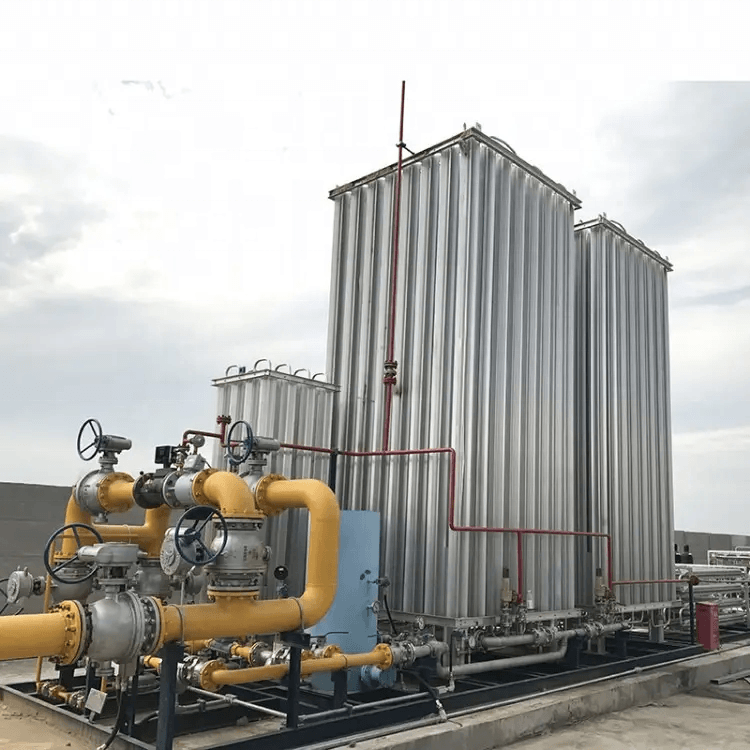
The workflow is as follows:
High-pressure gas enters through the inlet, is filtered, and then undergoes first-stage pressure reduction;
After first-stage pressure reduction, the gas temperature drops sharply, and the heating system immediately raises the temperature to prevent freezing;
Second-stage pressure reduction precisely regulates the gas to the pressure required by the engine;
The regulated gas is delivered stably to the engine, and the ECU dynamically adjusts based on operating conditions.
Modern electronic pressure regulators (EPRs) utilize solenoid valves and electronic control systems, offering faster response times and more precise regulation, significantly improving combustion efficiency and power response.
Key maintenance points include: regular leak detection, cleaning the filter, inspecting the heating system, and adhering to the manufacturer’s maintenance specifications. Operation must comply with safety standards such as NFPA 52 or ISO 15500; non-professionals must not disassemble the unit.
The CNG pressure regulator stands as the unsung hero behind safe, efficient fuel delivery. Its steady operation isn’t just about keeping your vehicle running smoothly—it directly cuts down harmful emissions too. As clean energy gains traction, knowing how it works and how to maintain it is more critical than ever for every driver.