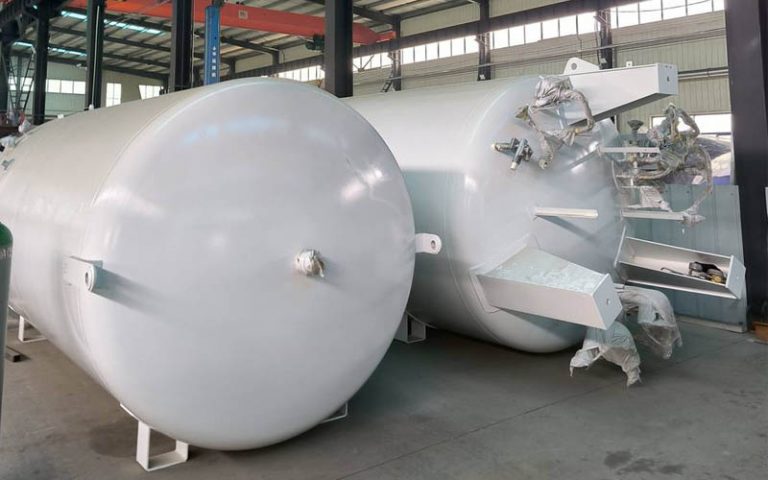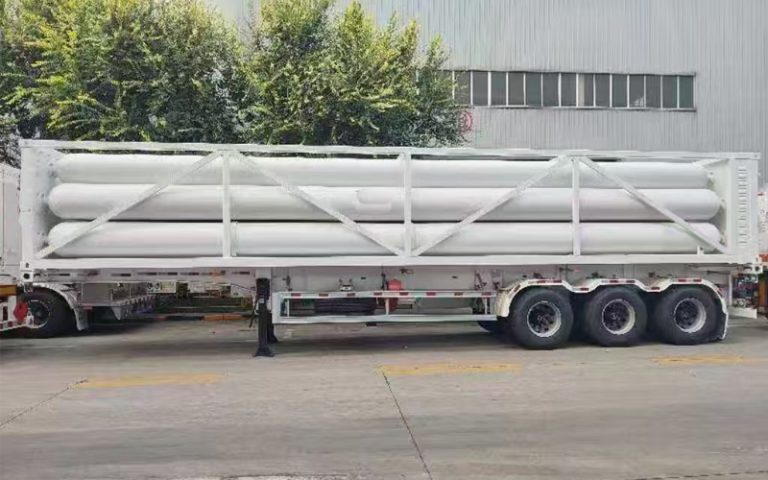


What is an LNG storage tank?
LNG storage tanks are the main storage facilities in the LNG industrial chain for storing liquefied natural gas (LNG).
As the core equipment of the energy infrastructure, LNG storage tanks have a direct impact on the operational efficiency, supply reliability, and economic benefits of the whole system. If you are an enterprise planning to purchase a liquefied natural gas storage tank, then how to select the appropriate liquefied natural gas storage tank must be a matter of great concern for you.
Based on the design and production experience of LNG storage tanks, Zhuoyue Gas Equipment suggests that when choosing LNG storage tanks, you should consider the following factors to make a scientific and reasonable selection of the suitable storage tanks.
First, let’s understand some basic knowledge about LNG storage.
LNG refers to the liquefied natural gas obtained after compressing the gas to -162℃. Its volume is 600 times smaller than that of natural gas, allowing for easy storage and transportation.
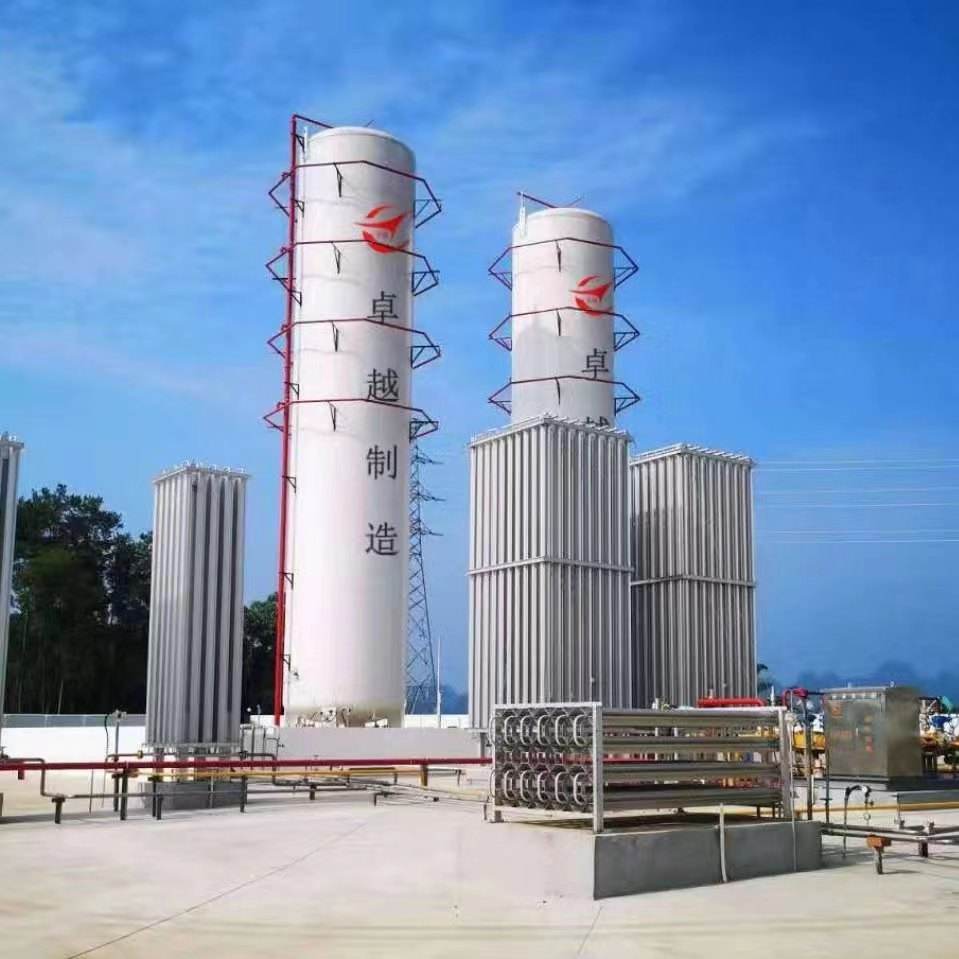
There are many types of liquefied natural gas storage tanks, mainly including:
- Single-capacity tanks: The tank body is composed of a concrete tank shell with an inner steel plate. This type of tank has a lower cost and is suitable for small-capacity storage.
- Double-capacity tanks: In addition to the inner lining, there is a second layer of steel plate or concrete protection layer on the outside to prevent leakage.
- Full-capacity tanks: The tank body is composed of a concrete tank shell and a steel inner tank, with insulation materials filled between the tank shell and the inner tank.
It offers the highest safety and advancement, making it suitable for large storage facilities
Core Reference Factors for Choosing Storage Tank Capacity
1.Comprehensive understanding of gas consumption for industry.
By analyzing the past data on gas consumption and peak usage periods, we will be able to predict future trends in gas usage more easily. The demand for gas by industrial facilities (such as power plants, refineries and manufacturing enterprises) will fluctuate with production cycles, seasonal variations and market conditions.
It is necessary to calculate the maximum daily, weekly, and monthly gas usage, and reserve a buffer capacity during the LNG transportation and delivery period to avoid supply disruptions.
2.Consider the logistics conditions of the supply chain
The delivery frequency of LNG, the capacity of the transportation vehicles, and the distance between the LNG receiving station and the factory all have an impact on the storage tank capacity that is needed.
When the factory is close to the receiving station and the delivery frequency is high, small-capacity storage tanks can often be used; conversely, if the factory is located in a remote area and the deliveries are extremely irregular, in order to ensure the continuous supply of gas, the capacity of the storage tanks must be large enough.
When discussing the reserve capacity, one cannot ignore the differences in loading capacity and transportation timeliness among different transportation methods (sea transportation, tanker transportation, pipeline transportation).
3.Regulations and Safety Standards Requirements
The selection of LNG storage tanks must be in accordance with the regulations. The standards that are recognized worldwide are API 620 and API 625.
In the United States, the NFPA 59A standard is followed. The relevant specifications clearly stipulate the safety and environmental protection requirements for the design, construction, and operation of the tanks. Selecting compliant tanks can reduce safety risks and compliance penalties. It is recommended to confirm the relevant regulatory requirements of the destination area before export.
4.Future sustainable development and flexible operation
Reserving room for future development is always a wise choice, as it can prevent disruptions and costs to project operations caused by continuous renovations and expansions in the future. Excess capacity can also be used for peak-valley regulation, such as storing gas when the price of liquefied natural gas is low and using it as a backup when the price is high, thereby reducing the cost of natural gas usage. Therefore, when selecting equipment, the relationship between the initial costs of redundant capacity and the capacity loss caused by supply constraints needs to be weighed.
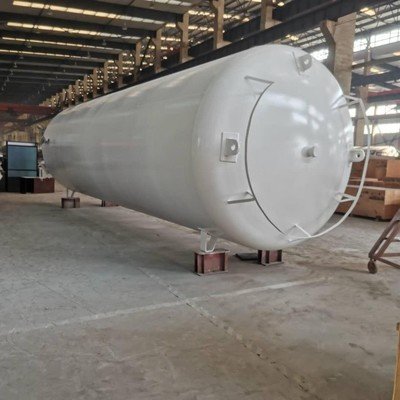
Method of Calculating LNG Storage Tank Capacity
1.Demand-oriented Method
The determination of the storage tank capacity is based on the following calculation: First, multiply the daily gas consumption by the guaranteed supply days, and then add an appropriate safety margin of 10% to 20% (to cope with peak consumption and supply fluctuations), and the result is the storage tank capacity.
2.The Supply Chain Orientation Method
This strategy is typically used for large-scale, infrequent delivery scenarios. The computation procedure is as follows.
Tank capacity is calculated as the sum of the daily average gas consumption and the number of delivery interval days.
3.Method for Scenario Simulation Analysis
Where gas consumption changes are complicated and the supply chain is unpredictable, several scenario simulations (e.g., supply interruption, unexpected demand surge, etc.) can be used to determine precise optimum capacity.
Conclusion
The capacity of LNG storage tanks should be determined based on current gas needs, supply chain reliability, compliance requirements, and future development. The major factor analysis and simplified calculation approach allow you to select a storage tank capacity that is stable, inexpensive, and adaptable. Such a step will improve the plant’s energy supply resilience, reduce gas costs, and support businesses in achieving sustainable and safe energy security.