
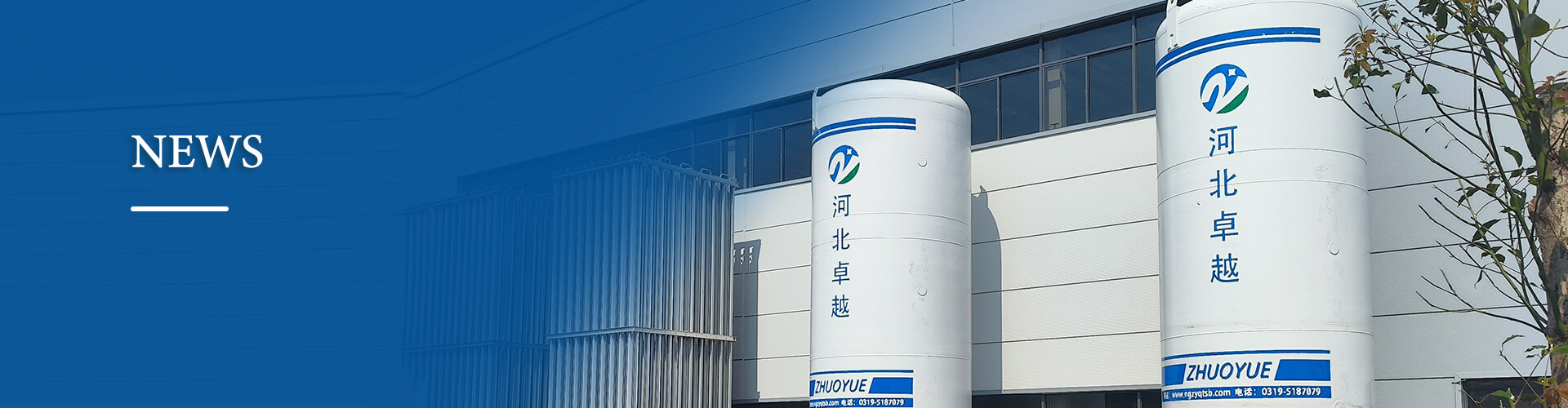
Today, we will talk about the knowledge related to cryogenic liquid storage tanks. Cryogenic liquid storage tanks are containers specifically designed to store gases that have been cooled to extremely low temperatures. These containers are of great importance to many industries, so they need to be placed carefully to ensure their safety, efficiency, and compliance with relevant regulations. Now, let’s introduce the typical location for cryogenic storage tanks in kitchens.
Factory
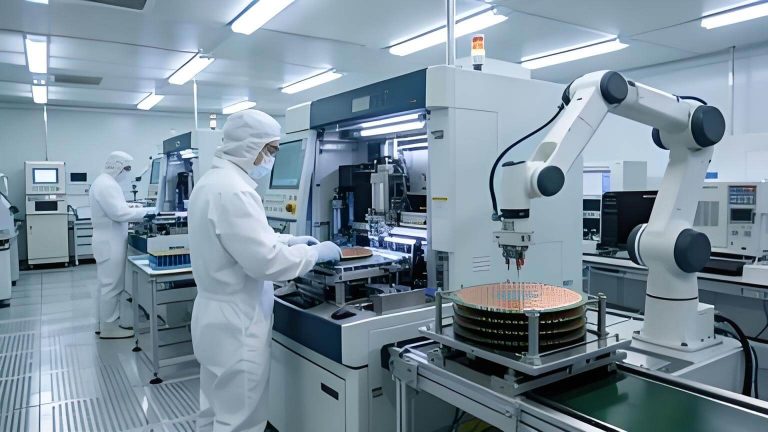
Cryogenic liquid storage tanks are generally used in large factories. For instance, factories such as those in the steel, chemical, pharmaceutical, and electronics industries will employ these tanks to assist in their production processes.
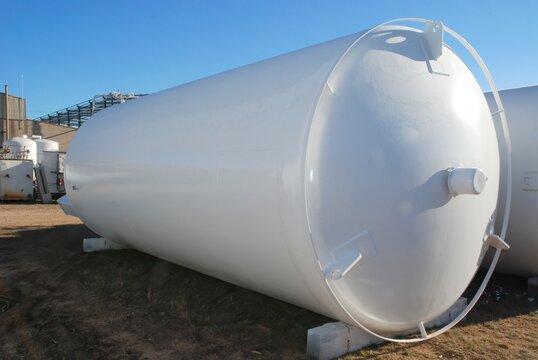
These factories usually place the storage tanks in outdoor areas that are well-ventilated and have sufficient safety space. The location must be large enough to accommodate tanks with capacities ranging from 1,000 gallons to 50,000 gallons, and it should be convenient for transport trucks and maintenance personnel to access.
Hospitals and clinics
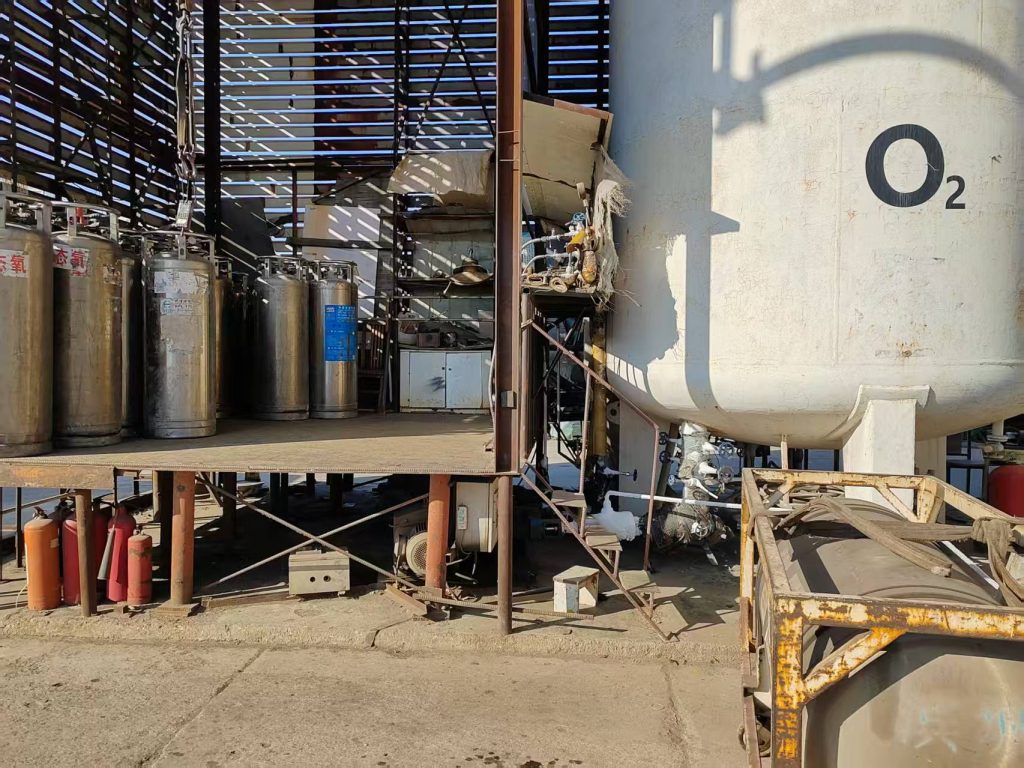
Hospitals and clinics are also common locations for storing low-temperature storage tanks, especially liquid oxygen tanks. These tanks are usually stored in safe, fenced-off areas that are not open to the public, but are located close enough to the main building to facilitate the delivery of oxygen through pipelines.
Research Center
Various research institutions usually use cryogenic liquid storage tanks for their scientific research work. They store substances such as liquid nitrogen, helium, and argon for experiments to ensure the safety of the samples and to provide cooling for the equipment.
The storage tanks used by research institutions are usually smaller than those in factories, with a capacity ranging from 100 to 5,000 gallons. These tanks are typically located in the loading and unloading area or in dedicated storage areas that facilitate the transportation of goods, as research projects often require the replenishment of materials.
Food and Beverage Company
Food and beverage companies have begun to use low-temperature storage tanks for freezing, maintaining food freshness, and adding bubbles to beverages. Generally, large food factories store liquid nitrogen and carbon dioxide to quickly freeze vegetables, meat, and pre-prepared foods. While beverage companies utilize these systems to add bubbles and for packaging.
These companies usually place the low-temperature storage tanks on outdoor concrete platforms with good drainage systems and rainproof facilities. This location needs to provide space for transportation vehicles while ensuring the safety of the food and preventing any contamination.
In conclusion
Cryogenic liquid storage tanks are widely used in various fields such as healthcare, factories, scientific research, and food production. Their specific locations usually depend on their intended use and the safety regulations that need to be followed.
The storage location of the low-temperature storage tank should take into account both the usage effect and safety, while also ensuring that workers, buildings, and the surrounding community are protected from potential dangers.