

Businesses in international logistics are always looking for effective, affordable, and environmentally friendly transportation options. A novel alternative that bridges the gap between small packages and conventional bulk transportation is micro bulk transportation, which can move 500 to 3,000 liters of liquid, powder, or granular materials.
Specialized containers like flexible tanks, stainless steel tanks, or intermediate bulk containers (IBCs) are used in small-batch production. These containers are widely used in the food and beverage, chemical and pharmaceutical, agricultural, and manufacturing industries because they are reusable, stackable, and compatible with common transportation systems.
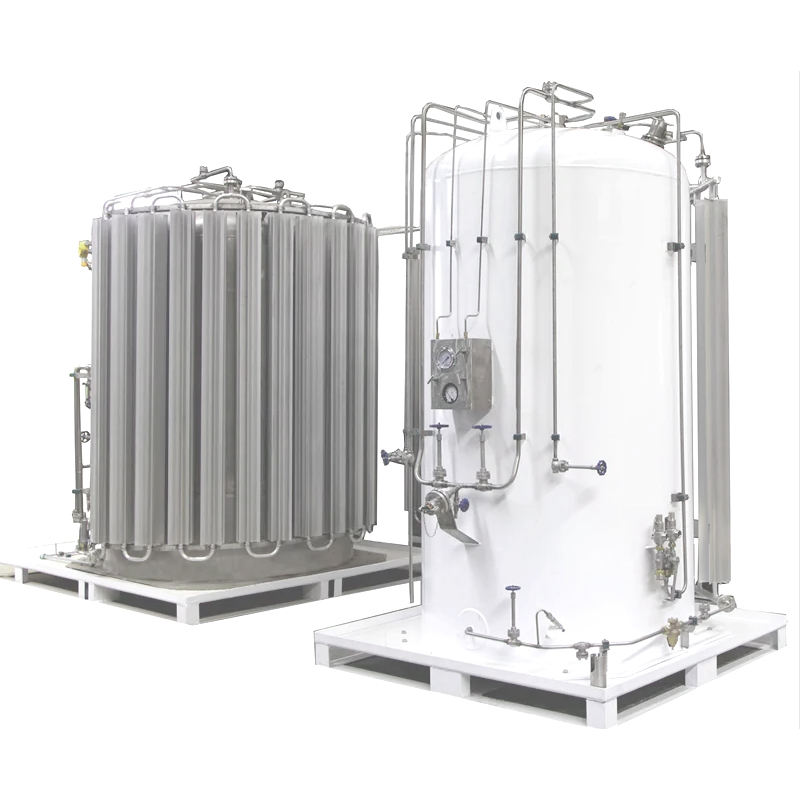
Main application industries
Food and beverages: Transport edible oils, syrups, additives, etc. Use food-grade inner containers to ensure safety.
Chemical and pharmaceuticals: Transport solvents, raw materials. Containers have safety designs such as anti-corrosion and pressure relief, in line with international standards.
Agriculture: Precise delivery of fertilizers and pesticides, reducing waste and storage costs.
Manufacturing: Used for transportation of resin, pigments, etc. Supports just-in-time production.
Core advantage
Low cost: Reduces packaging and labor costs, enhances loading efficiency, and lowers unit freight.
Environmentally sustainable: Reusable containers reduce plastic waste and lower carbon emissions.
Flexible and scalable: Suitable for different transportation volumes, supports multimodal transportation, and is easy to integrate into the existing supply chain.
Guarantees quality: Sealed design, inert gas protection, and temperature control system ensure material safety.
Reduces operational risks: Reduces transshipment and human intervention, and lowers leakage and pollution risks.
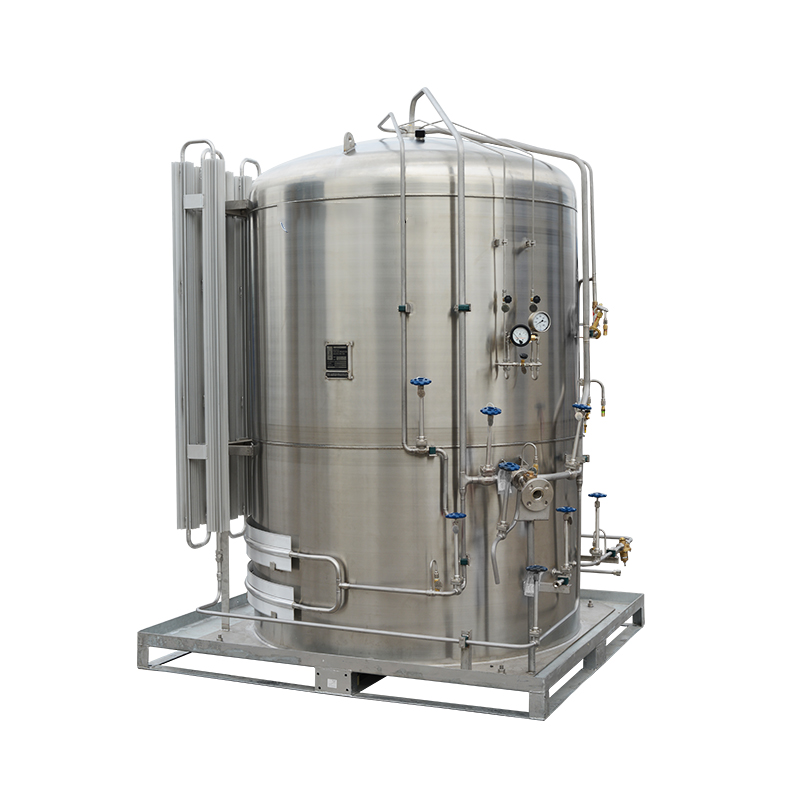
Implementation Steps
Evaluate Requirements: Determine the transportation volume, material types, and supply chain goals.
Select Containers: Choose compliant containers based on the material characteristics, ensuring compliance with IMO, DOT, etc. standards.
Partner with Professional Logistics Providers: Select carriers with experience in small-batch operations to assist with customs clearance and tracking.
Optimize Inventory: Combine just-in-time delivery to reduce inventory costs.
Continuous Optimization: Monitor KPIs such as delivery timeliness and damage rate, and continuously improve.
Common Misconceptions Clarified
Does it only apply to large enterprises? Small and medium-sized enterprises can also benefit and there is no minimum shipment volume requirement.
Poor safety? The containers have undergone strict testing and are equipped with real-time tracking, making them safer.
Complex implementation? Professional logistics providers can provide full support throughout the process, allowing enterprises to focus on their core business.
Future Trends
With the development of technologies such as intelligent sensors and temperature/humidity monitoring, micro-batch operations will achieve greater transparency and security. The rise of e-commerce and direct supply models will also drive innovative applications of this in the “last mile” delivery.
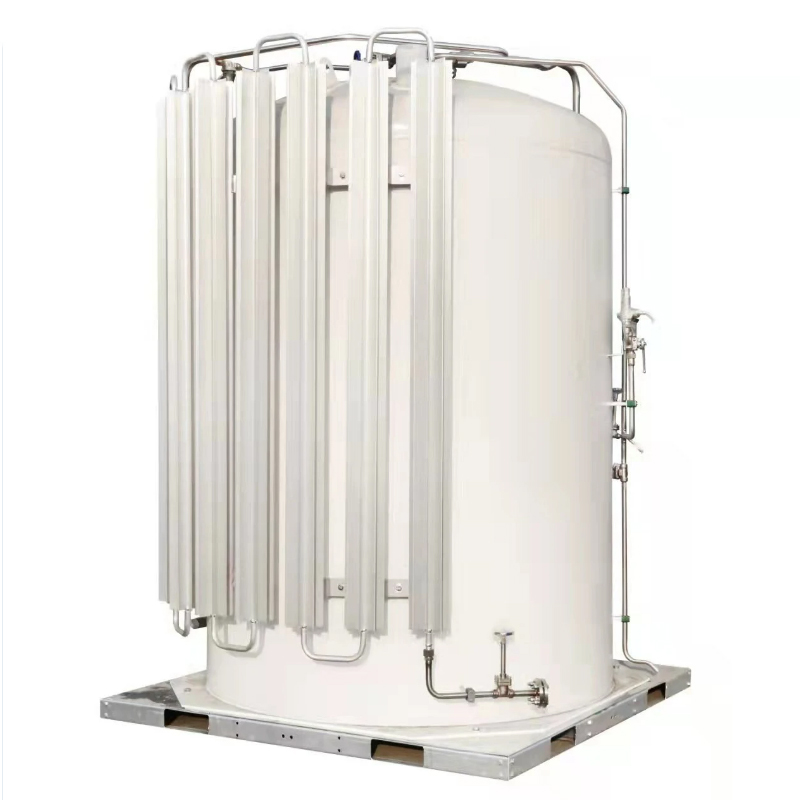
Conclusion
Micro-batch transportation combines the advantages of bulk transportation and small packages, and is a strategic choice for enterprises to optimize their supply chains. By assessing demands and selecting appropriate partners, enterprises can move towards a more efficient and environmentally friendly logistics system.
If you have any questions regarding the mini bulk tanks, you can consult the technicians of Zhuoyue Gas Equipment. We will reply to you as soon as possible.