
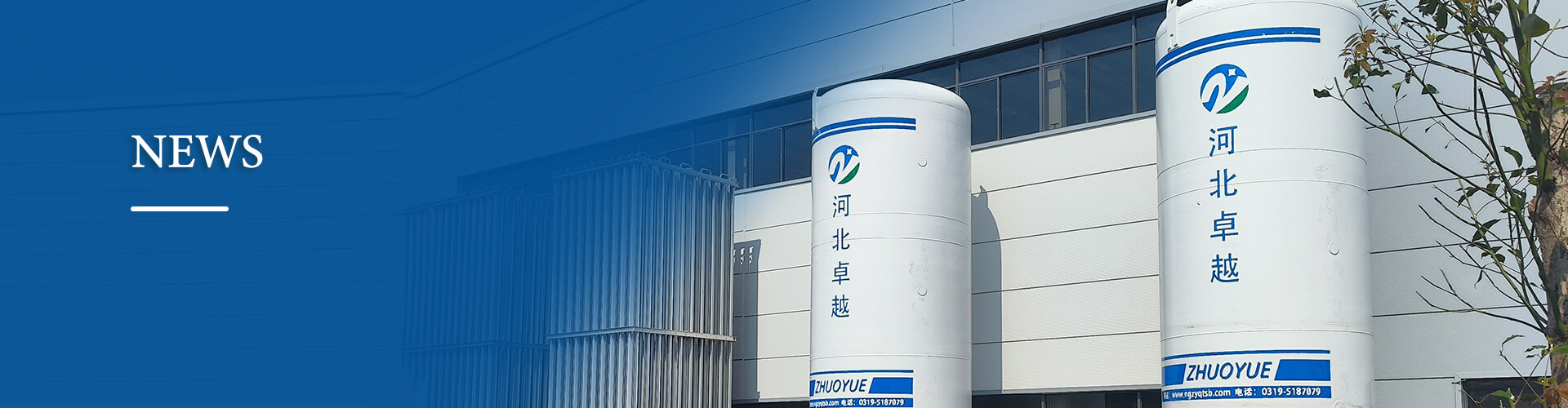
What Is a Cryogenic Vessel? Understanding Ultra-Low Temperature Storage Solutions
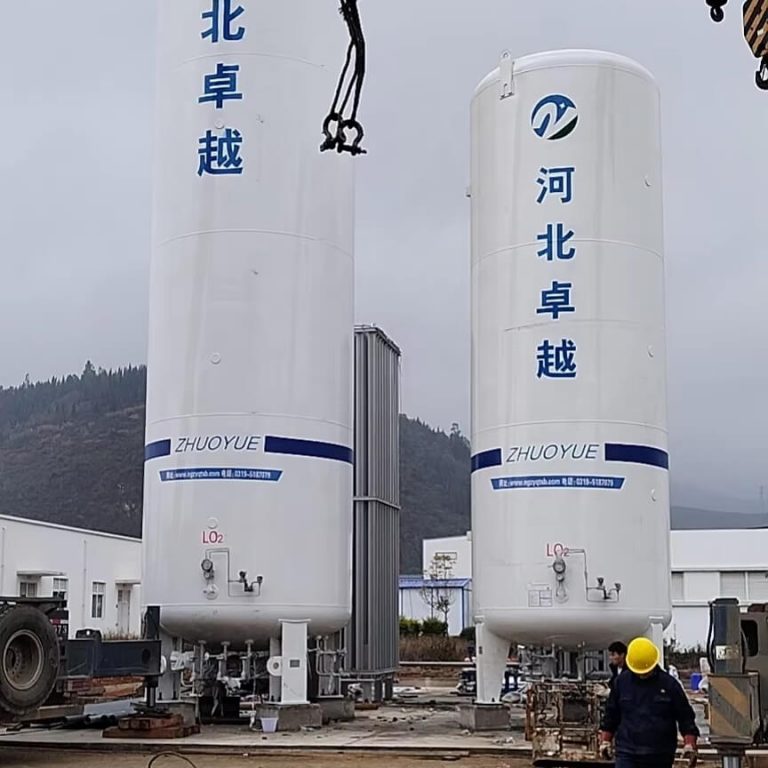
Liquid nitrogen (LN₂, -196°C), liquid helium (LHe, -269°C), or liquefied natural gas (LNG, -162°C) are examples of cryogenic fluids, which are specialized containers designed to store and transport items at temperatures below -150°C (-238°F). Healthcare, energy, aerospace, and scientific research are just a few of the industries that depend on these vessels for accurate temperature control. To help you maximize their potential, this book describes their design, applications, safety issues, and improvements.
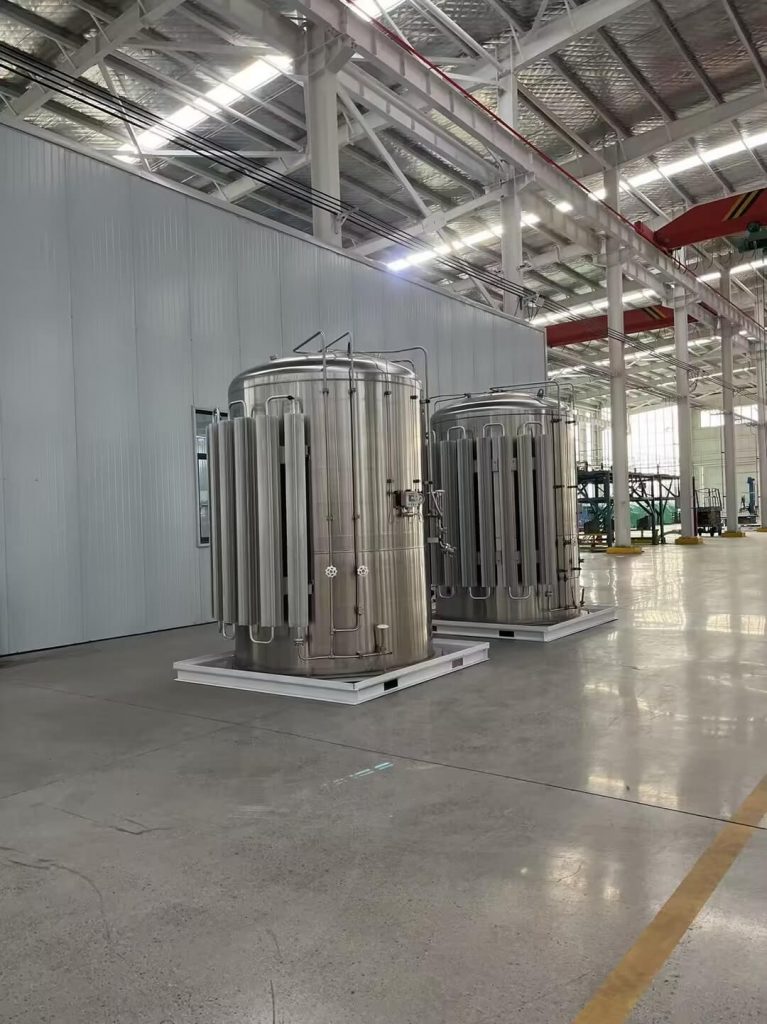
How Do Cryogenic Vessels Operate?
To reduce heat transfer, cryogenic tanks use vacuum insulation and multi-layer superinsulation. The cryogenic liquid is contained in the inner vessel, which is composed of materials like aluminum or stainless steel, while an outer jacket acts as a vacuum barrier.In this setup, radiative heat is prevented by reflecting layers (for example, aluminum-coated Mylar) while the amount of conductive and convective heat increase is minimized. By managing vapor expansion and preventing explosions, components such as neck tubes, relief valves, and pressure-rated designs ensure safe functioning.
Key Applications Across Industries
1.Biotechnology & Healthcare
Medical Storage: Biological samples (such as DNA, sperm, or stem cells) are kept viable for decades in liquid nitrogen at -196°C in cryogenic vessels.
Pharmaceuticals: Cryogenic transport is essential for maintaining the effectiveness of vaccines and temperature-sensitive medications during international distribution.
2.The Energy Industry
LNG Storage: Before being exported, liquefied natural gas is kept in huge cryogenic tanks, which reduces volume by 600 times for more affordable transportation.
Fuel made of hydrogen: Cryogenic containers store liquid hydrogen (-253°C) for fuel cells and industrial application as the globe moves toward green energy.
3.Aerospace
Rocket Propellants: Rockets are powered by cryogenic fuels such as hydrogen and liquid oxygen (LOX), which need the use of vessels that can resist launch vibrations and extremely low temperatures.
Satellite Cooling: To improve accuracy, sensors and instruments in space missions are cryogenically cooled.
4.Research in Science
Superconductivity: Cryogenic helium systems are used to achieve temperatures close to absolute zero for experiments utilizing superconductors, such as MRI equipment.
Particle Physics: To accelerate particles, facilities such as CERN use cryogenic magnets that are cooled to -271°C.
Safety Aspects
Risks associated with cryogenic vessels include fast vaporization, extreme cold, and pressure buildup:
Asphyxiation: In enclosed areas, leaking gases, such as nitrogen, can displace oxygen.
Frostbite: Severe burns are caused by direct contact with cryogenic liquids.
Material Embrittlement: Low temperatures cause metals to become brittle, which raises the chance of fracture.
Choosing a vessel is based on:
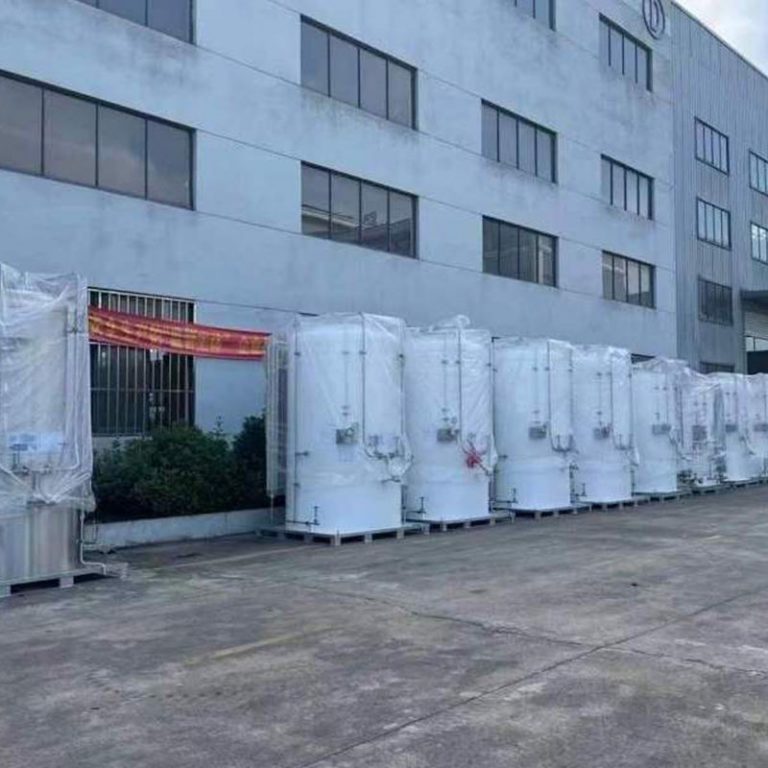
Capacity ranges from large tanks (10,000+ liters) for LNG storage to tiny dewars (1–50 liters) for laboratories.
Portability: Designs that are stationary versus those that are transportable (such as ISO containers for international transportation).
Cooling Methods: Active (mechanical refrigeration) or passive (insulation-only).
Compliance: Make sure that standards like ASME BPVC, ISO 20347, or EN 13458 are followed.
Conclusion
Zhuoyu Gas Equipment reminds you that if your company is engaged in extremely cutting-edge technological work, then you absolutely need to be equipped with cryogenic storage tanks. These tanks enable you to safely handle extremely cold substances – their temperature is even much lower than anywhere on Earth. They achieve this goal by adopting extremely sturdy structures, using the latest materials, and following strict safety regulations. As the demand for clean energy, new medical technologies, and even space exploration continues to grow, the innovation in cryogenic technology will continuously open up new possibilities. If you have any more questions, you can consult the engineers of Zhuoyue Gas Equipment. We will reply to you as soon as possible.