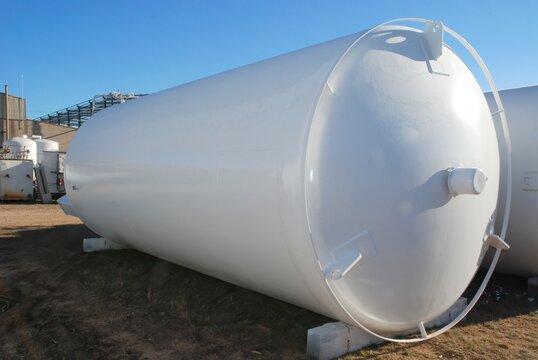

Filling cryogenic storage tanks requires careful preparation and strict safety protocols. Here’s a streamlined version of the key requirements:
Before Filling
1.Pre-Filling Checks
Verify liquid level indicators and pressure gauges
Confirm all valves are in correct positions
Ensure all piping is clear and leak-free
Activate pressure monitoring systems
2.Purge Requirements (for high-purity gases)
Purge with dry nitrogen for 8+ hours
Use product gas for final purging
Light gases (nitrogen): fill from top, vent from bottom
Heavy gases (oxygen/argon): fill from bottom, vent from top
Repeat until gas purity meets standards
Purge all connecting pipelines
Maintain slight positive pressure after purging
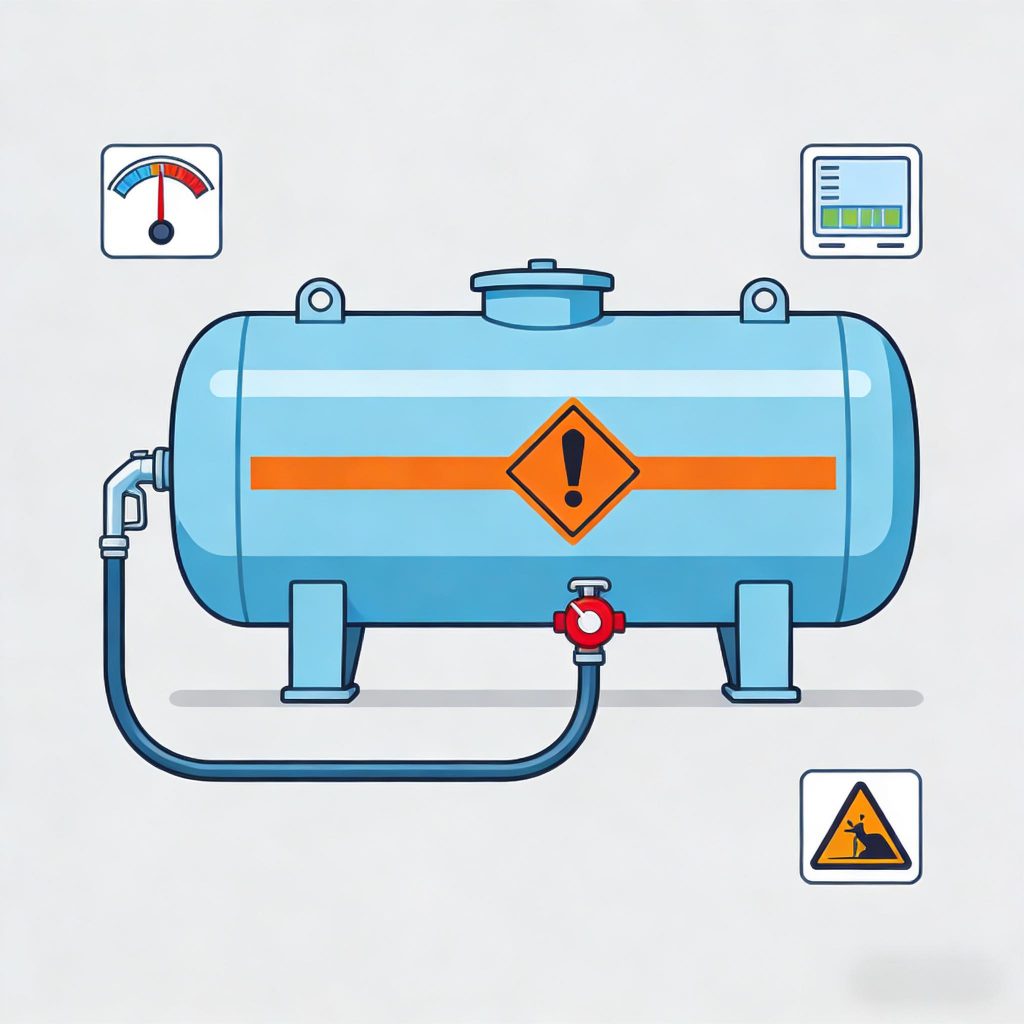
During Filling
1.Standard Filling
Keep tank at atmospheric pressure
Open vent valve during filling
Close vent only after completion
2.Special Cases
For rare/valuable liquids: pre-cool with liquid nitrogen first
May use pressurized filling after proper purging
Key Safety Practices
Never mix oxygen systems with combustible gases
Test for leaks before initial use
Train staff on emergency procedures
Maintain proper ventilation
Keep fire extinguishers accessible
Have spill control measures ready
Maintenance Tips
Regularly inspect seals and gaskets
Follow preventive maintenance schedule
Conduct periodic pressure vessel testing
In conclusion, safe and efficient filling of cryogenic storage tanks depends on strict adherence to systematic pre-filling preparations, precise filling operations, strict safety protocols, and consistent maintenance procedures. Fully implementing these principles can effectively reduce operational risks, extend the service life of equipment, and ensure the stable and reliable performance of the low-temperature storage system.