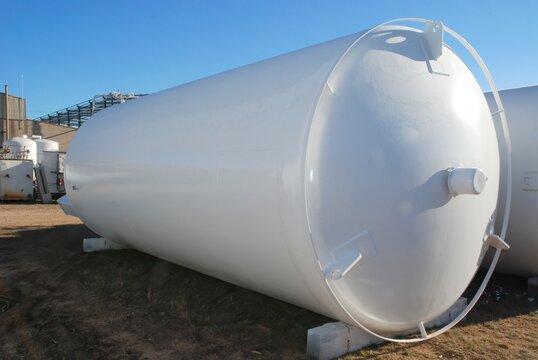

- Operators should be familiar with the process flow, equipment and knowledge of cryogenic liquids of liquid oxygen storage tanks. They should frequently check pressure gauges, liquid level gauges and all safety devices. Storage is not allowed under conditions where safety measures are unreliable, especially to prevent valves from freezing and getting stuck.
- The gas used for inflation and sealing should be dry nitrogen and must not be interrupted to maintain the internal pressure above 0.01MPa.
- It is strictly prohibited for the operating pressure of the liquid oxygen storage tank to exceed the set pressure. The acetylene content in the liquid oxygen should be tested weekly. When it exceeds 0.1ppmm, the liquid oxygen should be discharged.
- Liquid oxygen storage tanks must not be filled to the brim. There should be a certain space for gas to exist. Therefore, it is stipulated that the liquid oxygen level must not exceed 95% of the geometric volume of the storage tank, and the liquid level must not exceed 90%.
- The pressure gauges, vacuum gauges, liquid level gauges, alarm systems and safety valves of liquid oxygen storage tanks should all be regularly calibrated. They must be accurate, sensitive, reliable and functional to ensure safety.
- The water level of the vaporizer should not be lower than the specified value, and the water temperature is generally controlled at around 60℃. The vaporizer should be equipped with an alarm for excessively low outlet temperature and a liquid oxygen pump interlock shutdown protection device to ensure that the oxygen temperature at the vaporizer outlet is above 0℃.
- When equipment, pipelines or valves freeze, they should be thawed by heating with hot nitrogen or air at 70 to 80 degrees Celsius. It is strictly forbidden to strike, roast or heat with electricity.
- Prevent liquid oxygen from leaking and freezing the facilities. Do not let cryogenic liquids come into contact with the skin to avoid severe frostbite.
- High-temperature and heat sources are strictly prohibited near the liquid oxygen storage tank and cryogenic liquid pipelines. Flammable and explosive items are also strictly forbidden. No open flames or sparks are allowed within a radius of 30mm of the liquid oxygen storage tank. Explosion-proof electrical appliances must be used.
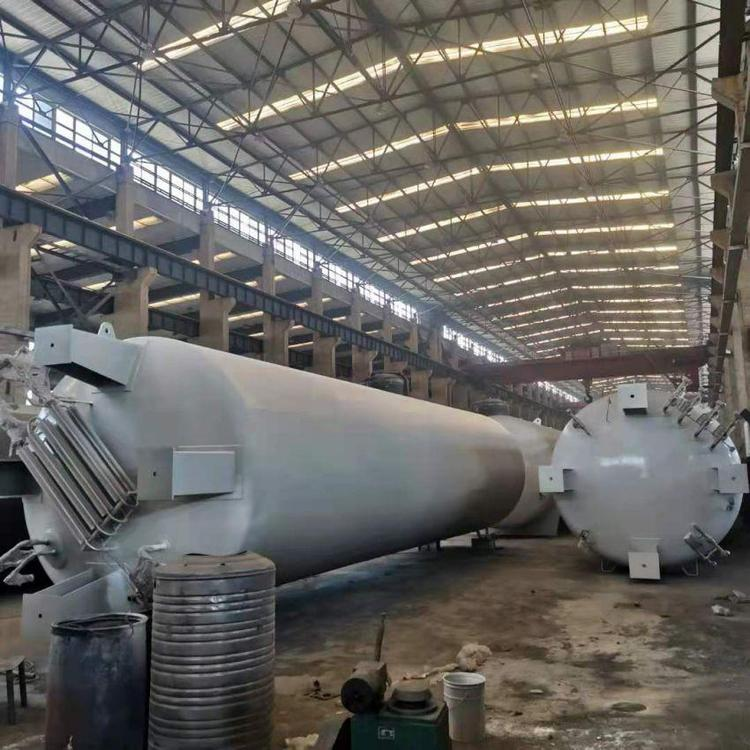
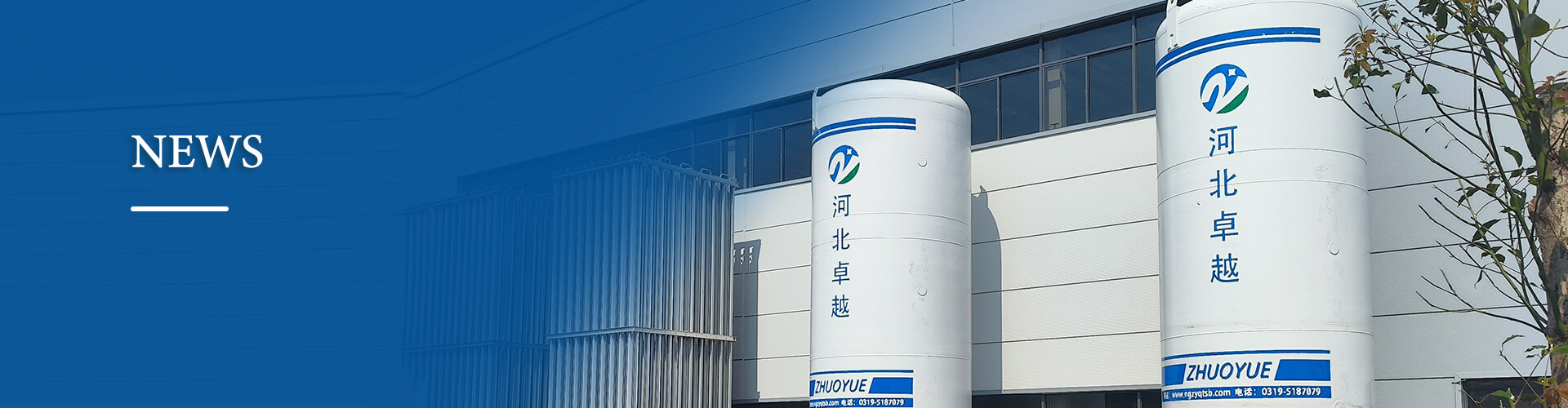
Here are a few safety operation procedures for liquid oxygen storage tanks. When using liquid oxygen storage tanks, we must pay attention to these points and use them correctly and safely.