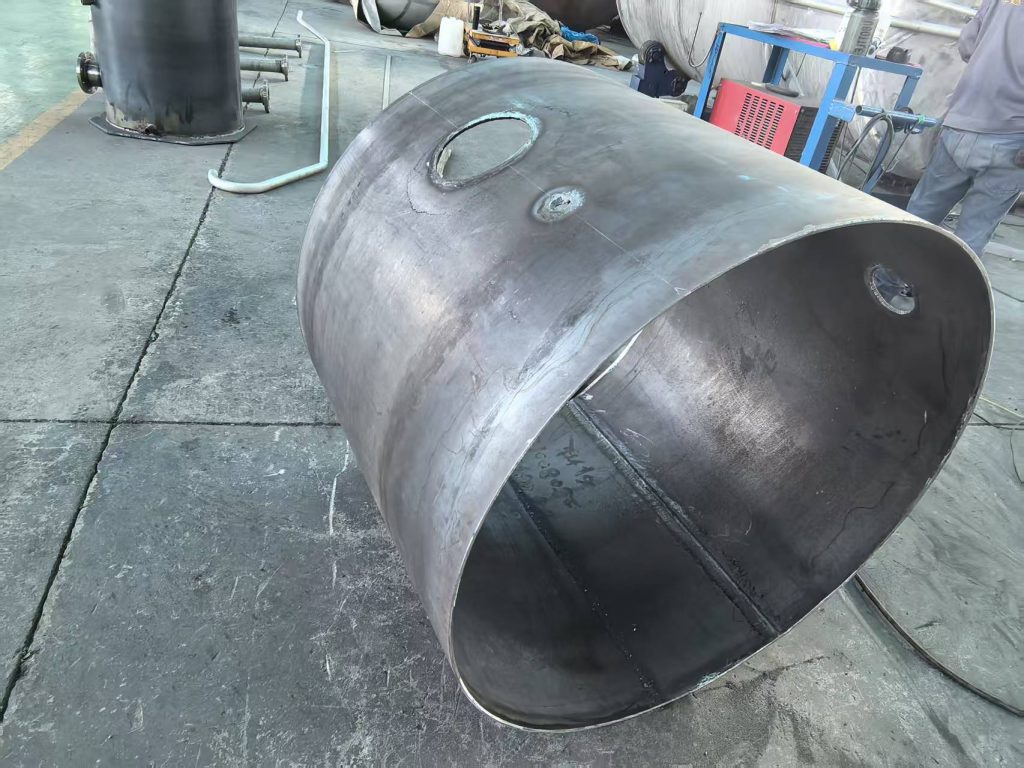
During the manufacturing process of cryogenic liquid storage tanks, the degreasing treatment of high vacuum pipelines is a crucial step to ensure the performance and service life of the equipment. This article will provide a detailed introduction to the professional degreasing process, helping manufacturing enterprises improve product quality.
The Importance of High Vacuum Pipeline Degreasing
The high vacuum piping system of the cryogenic liquid storage tank plays a crucial role in maintaining the insulation performance. Any residual oil can lead to a decrease in vacuum level, thereby affecting the insulation effect of the storage tank. Research has shown that even a small amount of oil contamination can cause poisoning of the molecular sieve, reducing the vacuum maintenance time by more than 30%.
Professional degreasing process flow
Preparatory work
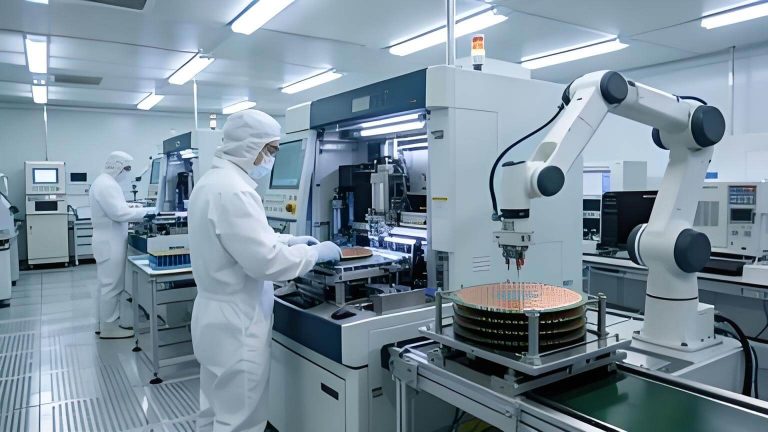
The degreasing operation needs to be carried out in an environment with a cleanliness level of ISO 8 or above. The relative humidity of the operation area must be strictly controlled below 40%, and the temperature should be maintained within the range of 20-25℃. All operators must wear dust-free suits, nitrile gloves and protective masks to avoid human contamination.
Cleaning agent selection criteria
It is recommended to use electronic-grade anhydrous ethanol (purity ≥ 99.9%) or dedicated hydrocarbon cleaning agents. For stainless steel materials, alkaline degreasing agents can be selected, but the pH value should be between 10 and 12. Avoid using chlorine-containing cleaning agents to prevent stress corrosion cracking.
Systematic cleaning procedure
Firstly, perform a pre-blowing with high-pressure nitrogen (pressure ranging from 0.6 to 0.8 MPa) to remove large particles of impurities. Then, use an ultrasonic cleaning device with a frequency controlled between 40 and 80 kHz for 15 to 30 minutes. Finally, rinse with deionized water, ensuring the electrical conductivity reaches above 18 MΩ·cm.
Quality inspection standards
Visual inspection method
When exposed to ultraviolet light (with a wavelength of 365nm), there should be no fluorescence reaction on the inner wall of the pipeline. After wiping with a white cloth, there should be no obvious stains on the cloth. This inspection method can detect oil residues as low as 0.1mg/m².
Instrumental detection methods
Quantitative analysis is conducted using an infrared spectrometer. The oil content should be less than 0.01mg/m². For critical areas, a contact angle measuring instrument can be used. The water droplet contact angle must be greater than 70 degrees to ensure that the surface meets the standards.
Process Optimization Suggestions
Environmental control upgrade
It is recommended to install an FFU high-efficiency filtration system, which can achieve a cleanliness level of 100. Install dehumidification equipment to keep the humidity below 35%, significantly enhancing the degreasing effect.
Automation improvement plan
Introduce a robotic cleaning system, which can program the cleaning path and duration to ensure consistent cleaning. The automatic inspection equipment can monitor the cleaning quality in real time, reducing human errors.
Cost control strategy
By optimizing the cleaning agent recycling system, the consumption of chemicals can be reduced by 30%. Establishing standardized operating procedures can decrease the rework rate and enhance production efficiency.
Conclusion
High vacuum pipeline degreasing, as the core process in the manufacturing of low-temperature liquid storage tanks, directly affects the vacuum lifespan and operational reliability of the equipment. By strictly following the standardized degreasing procedures and combining with advanced detection methods, the quality of the products can be ensured to reach the international advanced level. Manufacturing enterprises should continuously optimize process parameters and enhance automation levels, in order to maintain a technological leading edge in the fierce market competition.