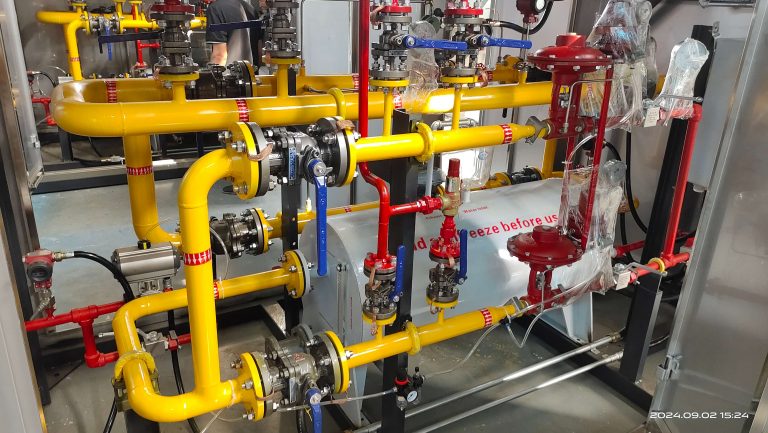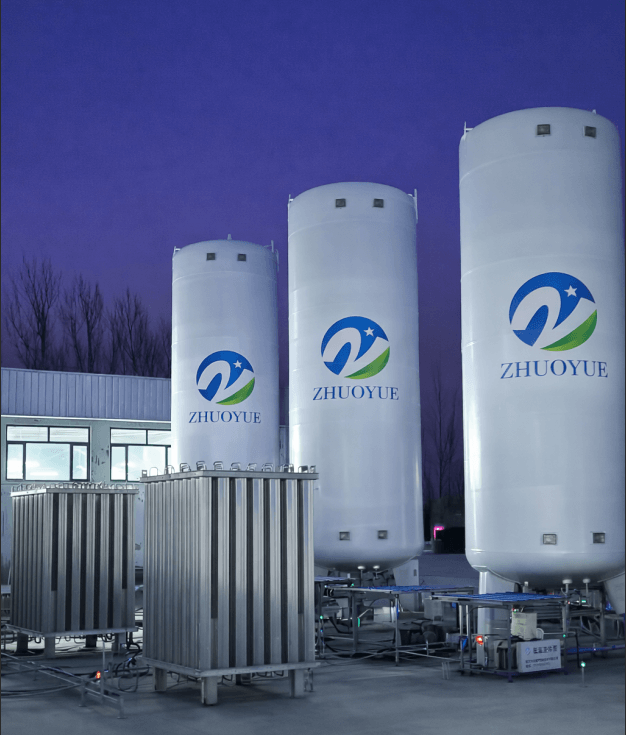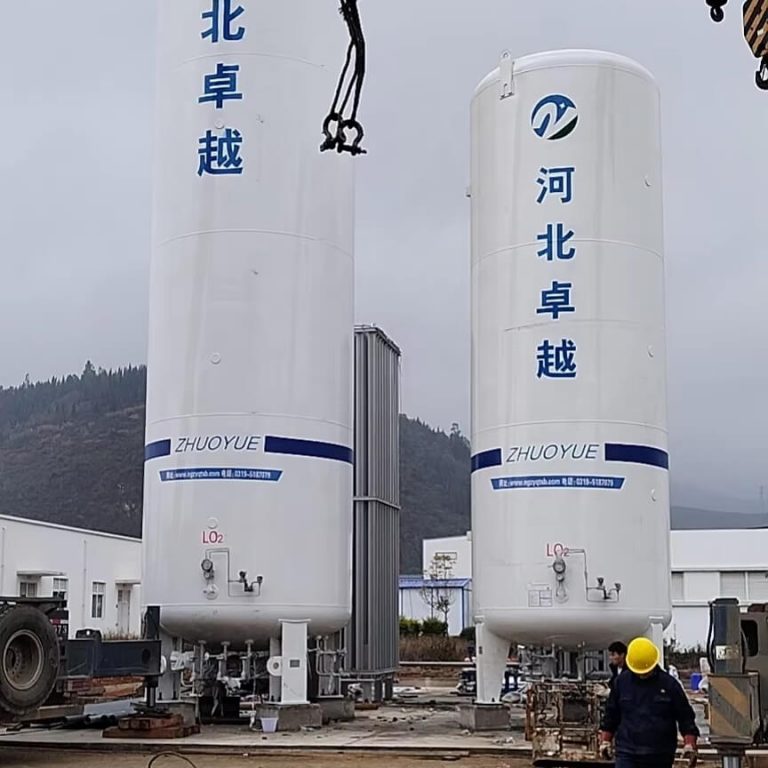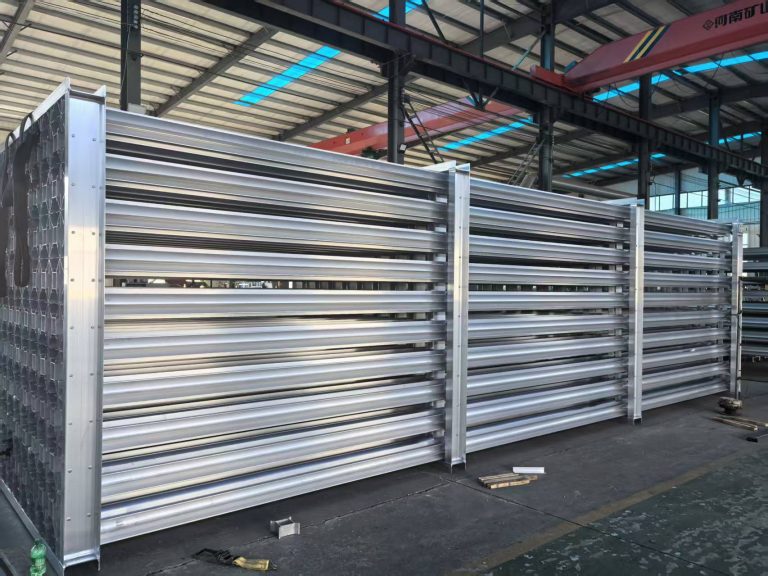


Today, we will introduce the key points to consider when enterprises choose miniature storage tanks for argon gas.
The selection of an argon gas micro-storage tank is a very important task and also a systematic operation.
This selection will directly affect your operational efficiency, costs, and safety. For enterprises, thoroughly understanding the key factors to consider before purchasing micro storage tanks can achieve twice the result with half the effort. Here is a step-by-step guide to help you complete this process, while also following the best practices of Google Search Engine Optimization.
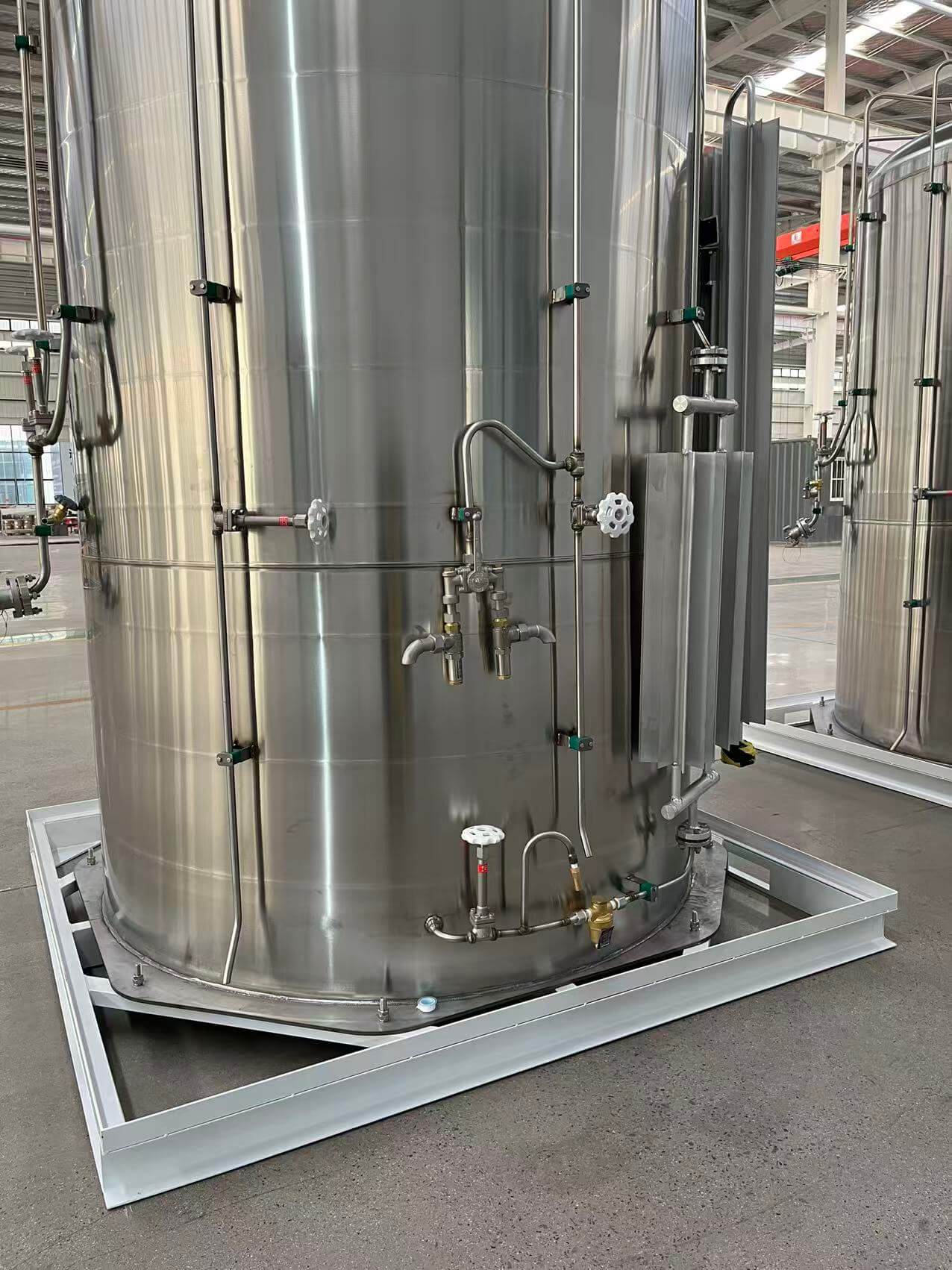
1.Confirm Your Usage Requirements
Before learning about various products, first confirm your requirements for argon usage:
Usage Volume: Calculate the amount of argon you need daily, weekly, or monthly (in liters or cubic meters). The capacity of micro storage tanks is generally between 1,000 and 5,000 liters, so choose the appropriate capacity based on your needs.
Flow Rate: Understand the maximum flow rate (in liters per minute) required in your process. If used in high-demand scenarios (such as laser cutting), then the storage tank should have strong pressure regulation capabilities.
Usage Rate: If you use it continuously, a larger storage tank with lower replenishment frequency may be suitable; if it is intermittent use, a smaller, more flexible product may be more suitable for you.
2.Confirm Storage Tank Capacity and Expandability
The design of micro storage tanks is intended to fill the gap between high-pressure gas cylinders and large storage tanks. When choosing the size, consider the following:
Available Space: Measure the floor space to ensure the storage tank can be installed smoothly without affecting people or goods flow.
Business Growth: If your business has an expansion trend, choose a slightly larger storage tank to avoid having to upgrade soon.
Delivery Frequency: Larger storage tanks with higher capacity have fewer replenishment times, but the initial investment and delivery costs may be higher.
3.Confirm Pressure and Purity Specifications
Argon is often used in situations requiring high purity (such as semiconductor manufacturing). Ensure the storage tank meets:
Pressure Rating: Ordinary storage tanks operate within a pressure range of 200 to 300 pounds per square inch, but some scenarios may require higher pressure. Confirm that the storage tank is compatible with your equipment.
Purity Requirements: If your process requires a purity of 99.999%, then choose those storage tanks with extremely low contamination risks (such as inner coating, using an inert gas purification system).
4.Prioritize Safety Measures
Safety is always the top priority. Key features to focus on include:
Safety Valve: To prevent overpressure.
Burst Disc: Another layer of safety protection in case of sudden overpressure.
Leak Detection System: Early detection alarm device or sensor for leaks.
Certification: Ensure the storage tank complies with relevant requirements of ASME, DOT or international standards (such as ISO).
5.Consider Maintenance and Durability
Material Quality: Stainless steel storage tanks are more corrosion-resistant than carbon steel tanks, so they have a longer lifespan.
Maintenance Ease: Choose storage tanks with detachable components for easy maintenance.
Warranty and Service: Choose a manufacturer that can provide comprehensive warranty and 24/7 technical support.
6.Calculate Total Cost of Ownership (TCO)
In addition to the purchase price, you also need to consider:
Transportation Costs: Although larger storage tanks have higher single-shipment costs, the transportation cost per liter is lower.
Energy Efficiency: Some storage tanks are designed with insulation devices, which can effectively reduce argon evaporation loss.
Resale Value: If you upgrade the storage tank in the future, high-quality storage tanks will be easier to retain their value.
7.Find reliable suppliers
Partner with the following types of suppliers:
Capable of customizing solutions for you (such as the color of the tank, valve configuration, etc.).
Capable of providing transparent quotations and leasing plans.
Capable of providing customer satisfaction solutions for your industry.
8.Comply with regulations
Ensure that the tank complies with the relevant regulations in your location:
Dangerous goods storage.
Ventilation and spacing requirements.
Employee training norms.
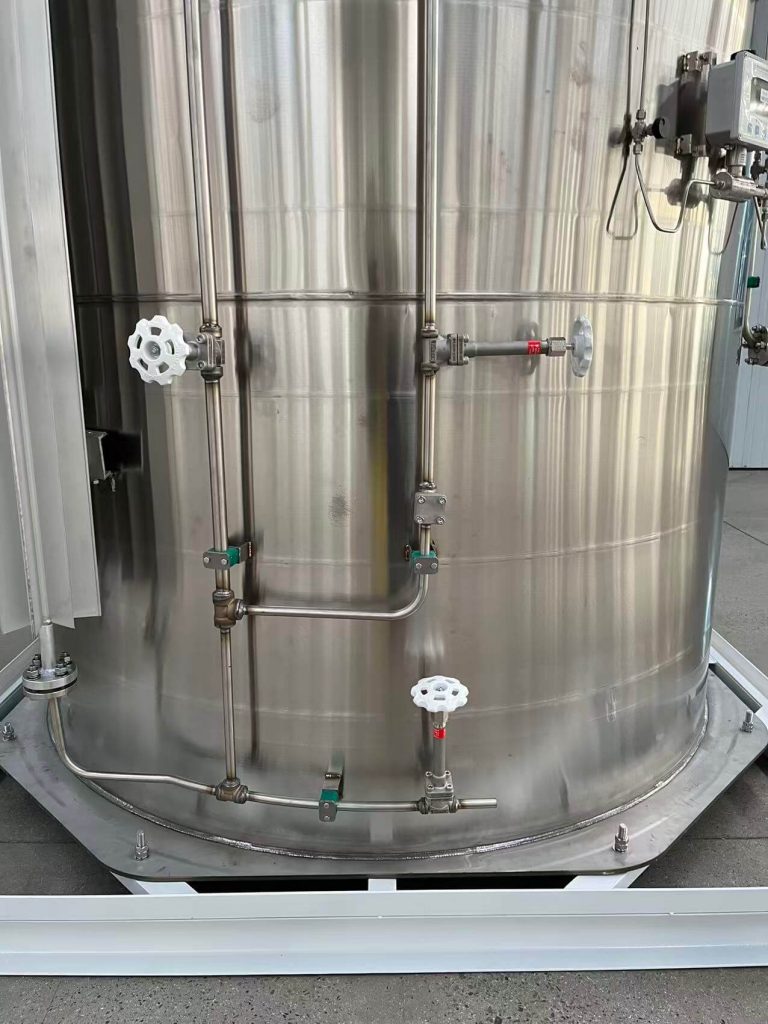
Make the ultimate checklist
- ✅ Have you measured your usage and flow rate?
- ✅ Have you verified your pressure and purity requirements?
- ✅ Have you confirmed the safety certification of the tank?
- ✅ Have you compared the total ownership costs of different solutions?
- ✅ Have you checked the reputation of the supplier?
The suggestion from Zhuoyue Gas Equipment Company is that you can definitely follow the process outlined in this guide. You will find that the selected argon micro storage tank is entirely a high-performance, high-safety, and cost-effective model. If you have more questions, please feel free to contact our gas storage tank experts, who can tailor a solution for you based on your specific situation.