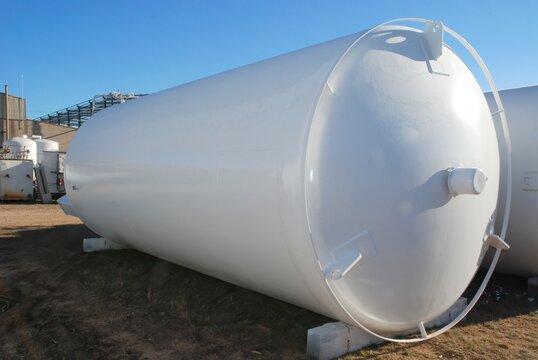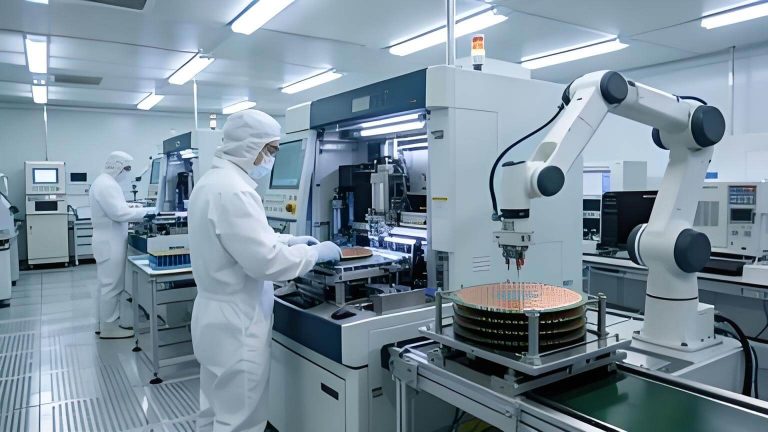

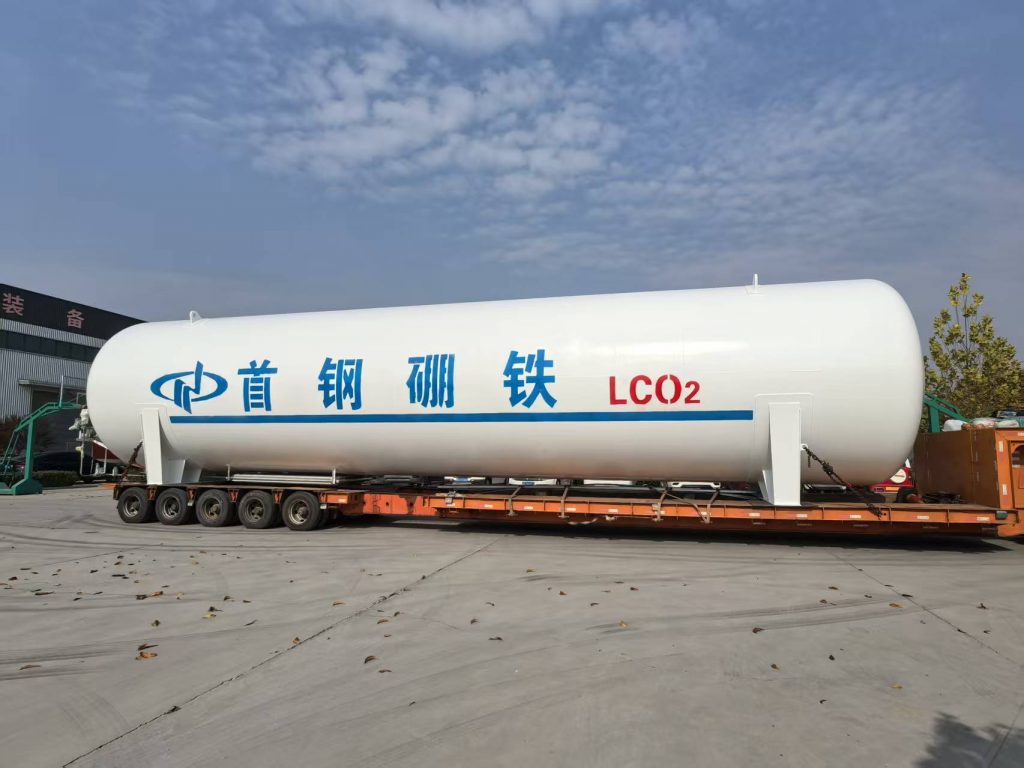
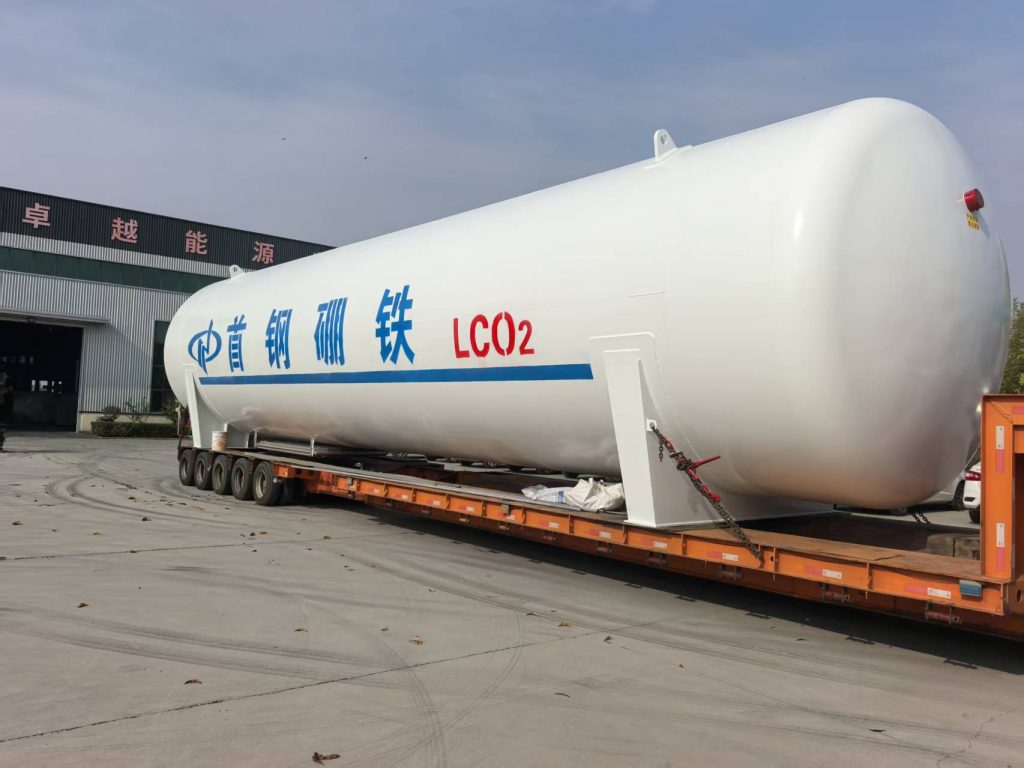
The cryogenic carbon dioxide storage tank is a dedicated storage tank specifically designed for storing liquid carbon dioxide. It can safely store liquid carbon dioxide under high pressure and low temperature conditions.They are widely used in industrial manufacturing, food preservation, medical refrigeration, as well as emerging carbon capture and storage (CCUS) and carbon dioxide storage systems. Their working principle is based on the physical properties of carbon dioxide, achieving the phase transition from gas to liquid under specific temperature and pressure conditions, and ensuring long-term stable storage through multiple safety structures.
I. Basic Working Principle: How to achieve liquid storage?
At room temperature and pressure, carbon dioxide is a gas. Converting carbon dioxide into a liquid requires sufficient pressure and an appropriate temperature. Generally, when the temperature drops below minus 20°C and the pressure exceeds 0.415 megapascals, carbon dioxide will change from a gaseous state to a liquid state. Lower temperatures (like -40°C) and greater pressures (over 0.7 MPa) are frequently utilized in industrial applications to preserve liquid stability and increase storage efficiency.
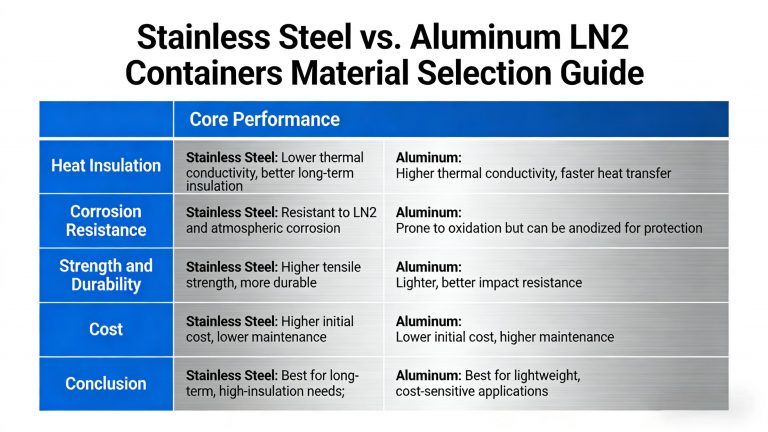
Double-layer vacuum insulated carbon dioxide storage tank. The inner layer serves as the container for liquid carbon dioxide, while the outer layer acts as the structural support. The middle layer is generally filled with ultra-fine pearlescent sand and is evacuated to effectively prevent heat conduction and convection, and to prevent the liquid from evaporating due to external heat transfer. At the same time, to ensure that there will be no brittle fracture in a low-temperature environment, the inner layer material is 16MnDR low-temperature steel plate, which has good impact resistance.
II. Operating principle and mechanism
Typically, a liquid carbon dioxide storage tank system requires the following key components:
Inner lining and outer layer: layered structure. The inner liner is resistant to low temperature and high pressure, while the outer shell enhances overall rigidity. Anti-heat bridge design is provided at the support points to reduce heat leakage.
Insulation layer: Multiple layers of aluminum foil reflectors are set in the vacuum sandwich layer, significantly reducing radiative heat transfer and improving insulation effect.
Pressure control system: Equipped with pressure gauges, safety valves and pressure regulating valves to ensure the pressure inside the tank remains between 0.7 and 1.0 MPa, avoiding the formation of dry ice due to low pressure or safety hazards caused by overpressure.
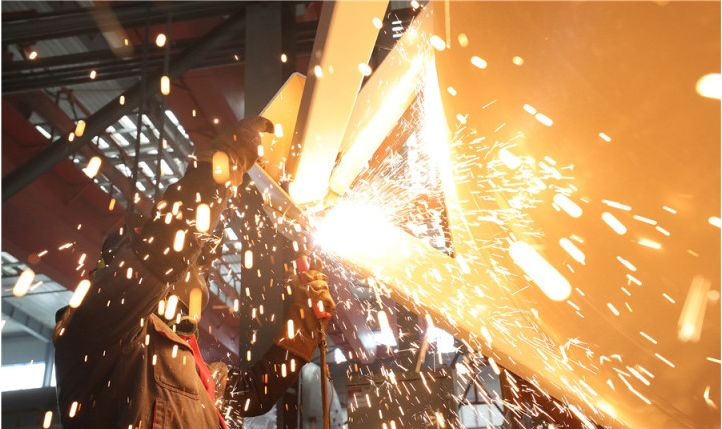
Valves and pipeline system: Utilize deep cold-specific welding technology and polytetrafluoroethylene sealing gaskets to prevent leakage under low-temperature conditions.
During actual operation, liquid carbon dioxide is discharged from the bottom of the storage tank through a low-temperature pump and is used in the downstream process.When the pressure drops to approximately 0.7 megapascals, the gas discharge or replenishment must be immediately stopped to prevent the formation of solid dry ice and to avoid pipe blockage or equipment damage.
III. Regarding risk prevention and safety operation procedures
The storage tanks for carbon dioxide need to have strict safety measures in place, as liquid carbon dioxide has a suffocating effect and may cause frostbite in cold environments.
Regarding ventilation requirements: The carbon dioxide storage tanks should be placed in an outdoor area with good ventilation and should be kept away from heat sources and fire sources.
Personal protection: To avoid coming into touch with low-temperature media or breathing in high-concentration gases, operators must use goggles, anti-freeze gloves, and self-contained breathing equipment.
Prohibition of open flame thawing: Only hot water, hot nitrogen, or hot air at 70–80°C can be used to thaw frozen valves or pipelines. Heating with a direct flame is definitely forbidden.
Frequent inspection: Every year, safety checks of the storage tanks are required. To guarantee structural integrity, the gas cylinder must be sent for inspection when its service life has ended.
Static electricity protection: Grounding devices should be set up. The static resistance should not exceed 10Ω to prevent static accumulation from causing accidents.
The storage tanks should also clearly indicate the type of stored medium, working pressure, filling date and other information.
IV. Development Prospects and Application Scenarios of Carbon Dioxide Storage Tanks
In addition to the applications in traditional enterprises, liquid carbon dioxide storage tanks are also particularly important for new energy technologies.For example, the high-pressure liquid CO₂ serves as an energy carrier in the carbon dioxide energy storage system. Excess electricity is compressed and kept in storage. In order to achieve grid peak shaving, it is released to power the turbine during periods of peak electricity usage. High energy storage density, quick reaction time, and extended longevity are some benefits of this technology. It is anticipated to emerge as one of the key options for long-term, large-scale energy storage in the future.
Meanwhile, in the CCUS project, liquid CO₂ is injected into underground oil reservoirs for oil displacement operations. This not only enhances the crude oil recovery rate but also enables carbon sequestration, contributing to the achievement of the “carbon neutrality” goals.
We specialize in designing and manufacturing cryogenic carbon dioxide storage tanks for gas equipment. If you have any technical issues related to this or any questions about carbon dioxide storage solutions, please contact us. We will provide you with an immediate response.